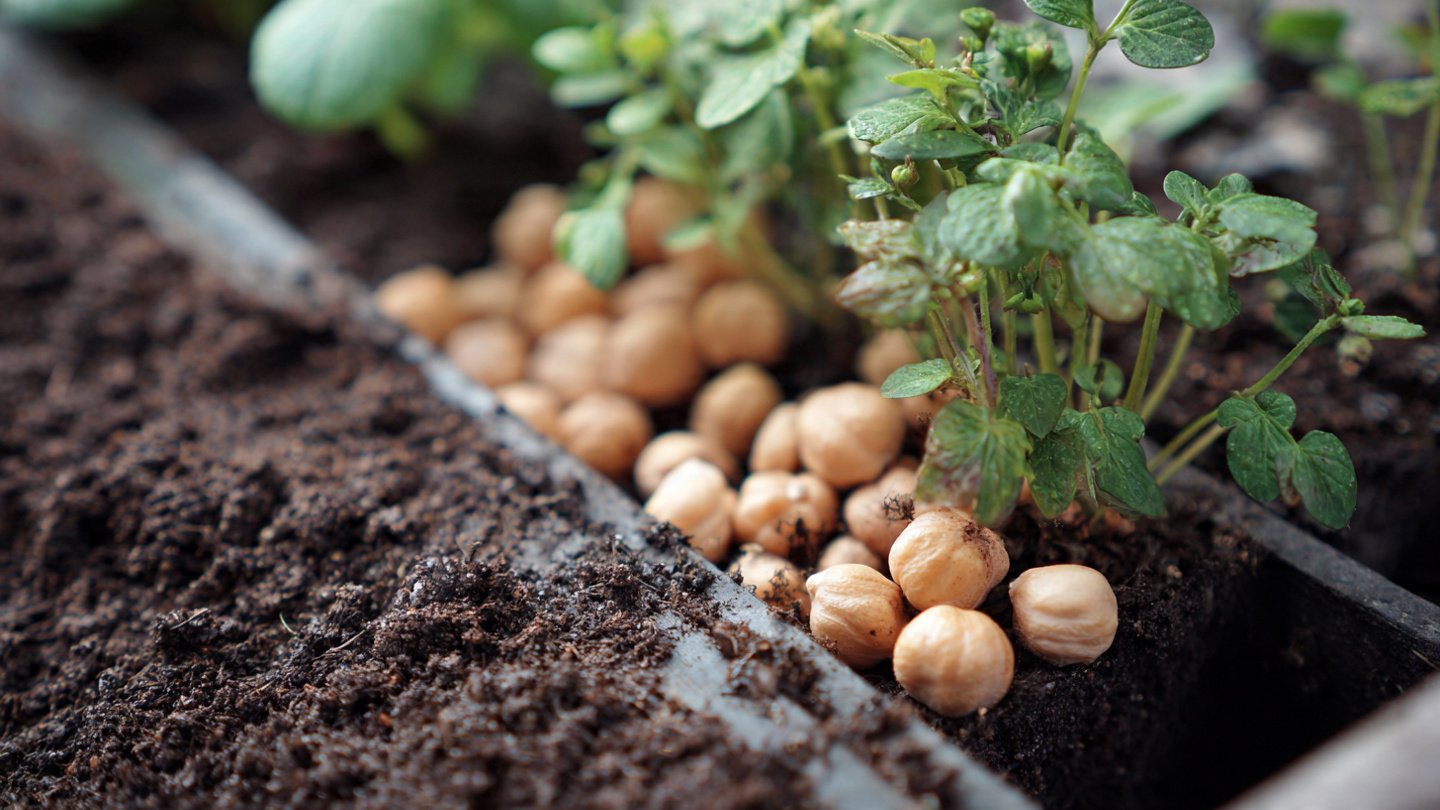
Chickpeas, also known as garbanzo beans, are a versatile and nutritious legume that can enhance various dishes from soups and stews to salads and dips. Growing chickpeas in your garden not only provides fresh produce but also enriches your soil with nitrogen, making it a great plant for crop rotation. If you’re a beginner looking to cultivate chickpeas, this comprehensive guide will walk you through every step of the process.
1. Understanding Chickpeas
Chickpeas (Cicer arietinum) are hardy annual legumes that thrive in warm climates. They are classified into two main types: desi and kabuli. Desi chickpeas are small, dark, and often used in Indian cuisine, while kabuli chickpeas are larger, light-colored, and more commonly found in Mediterranean dishes.
Nutritional Benefits
Chickpeas are an excellent source of protein, fiber, vitamins, and minerals. They are low in calories and have a low glycemic index, making them ideal for maintaining healthy blood sugar levels.
2. Choosing the Right Location
Climate Requirements
Chickpeas thrive in areas with warm climates, ideally with temperatures between 70°F and 85°F (21°C to 29°C). They can withstand light frost but grow best when planted after the last frost date.
Soil Requirements

Chickpeas prefer well-drained, sandy loam or loamy soil that is rich in organic matter. The pH level should be between 6.0 and 7.0. Conduct a soil test to determine the pH and nutrient levels, and amend your soil accordingly.
3. Preparing the Soil
- Clear the Area: Remove any weeds or debris from your garden plot.
- Tilling: Use a garden fork or rototiller to loosen the soil to a depth of at least 12 inches (30 cm).
- Soil Amendments: Incorporate organic matter, such as compost or well-rotted manure, to improve soil fertility and drainage.
- Leveling: Rake the soil to level the surface, preparing it for planting.
4. Selecting and Planting Seeds
Choosing Seeds
Purchase high-quality seeds from a reputable supplier. Look for varieties suited to your local climate. Organic seeds are a great option if you prefer chemical-free growing practices.
When to Plant
Chickpeas should be planted in early spring, approximately 2-3 weeks before the last expected frost date. The soil temperature should be at least 60°F (16°C) for successful germination.

Planting Method
- Direct Seeding: Plant seeds directly into the prepared soil. Sow seeds 1-2 inches (2.5-5 cm) deep, about 4-6 inches (10-15 cm) apart, and in rows 18 inches (45 cm) apart.
- Watering: After planting, water the area thoroughly, ensuring the soil is consistently moist until germination occurs.
5. Caring for Your Chickpea Plants
Watering
Chickpeas need moderate watering. Generally, they require about 1 inch (2.5 cm) of water per week. Water deeply and less frequently to encourage deep root growth. Avoid overwatering, as this can lead to root rot.
Fertilization
Chickpeas benefit from a light application of fertilizer at planting. Opt for an organic option such as bone meal or a balanced NPK fertilizer. Be cautious not to over-fertilize, as chickpeas are legumes and can fix their own nitrogen.
Weeding and Mulching
Regularly check for weeds, which can compete with your chickpeas for nutrients and water. Use a hoe or hand-pulled weeding techniques to avoid disturbing the roots. Applying a layer of mulch can help suppress weeds and retain soil moisture.

Pest and Disease Management
Chickpeas are generally resistant to pests and diseases, but be vigilant. Common pests include aphids, spider mites, and root-knot nematodes. Use organic insecticidal soap or neem oil as a preventive measure.
6. Harvesting Your Chickpeas
Chickpeas are ready to harvest approximately 100-110 days after planting, depending on the variety. You can tell they’re ready when the leaves turn yellow and the pods dry out.
- Check the Pods: The pods should be dry and hard. Shake a pod to see if the beans rattle inside.
- Harvesting: Cut the plants at the base and hang them upside down in a warm, dry place. This allows the remaining moisture to escape.
- Shelling: Once the pods are completely dry, shell the beans from the pods.
7. Storing Chickpeas
Store dried chickpeas in airtight containers in a cool, dark place. They can last for up to a year when stored properly.

8. FAQs
1. Can chickpeas be grown in pots?
Yes, chickpeas can be grown in pots. Choose a container that is at least 12 inches (30 cm) deep and wide. Ensure proper drainage to avoid waterlogging.
2. What pests should I watch out for when growing chickpeas?
Common pests include aphids, spider mites, and leafhoppers. Keep an eye out for signs of infestation and treat accordingly with organic insecticides if necessary.
3. How long does it take for chickpeas to germinate?
Chickpea seeds usually take about 7-14 days to germinate, depending on soil temperature and moisture levels.
4. How can I improve soil drainage for chickpeas?
If your soil drains poorly, consider raised beds, adding sand or perlite to improve drainage, and ensuring proper spacing between plants.
5. Are chickpeas frost-tolerant?

Chickpeas can tolerate light frost, but it’s best to plant them after the last frost date to ensure optimal growth.
6. Can I plant chickpeas after other legumes?
It’s advisable to rotate chickpeas with other crops to prevent soil depletion and reduce the risk of pests and diseases. Avoid planting them consecutively with other legumes.
7. How do I know when to stop watering?
Reduce watering when your chickpea plants start to yellow and the pods begin to dry out. Too much moisture can lead to rot.
Conclusion
Growing chickpeas is a rewarding endeavor that combines agricultural skills with the joy of home gardening. With the right knowledge and care, you can harvest your own chickpeas, enjoying their flavor and nutrients in various dishes. Remember to be patient and observant; gardening is a learning experience that evolves with each growing season. Happy gardening!