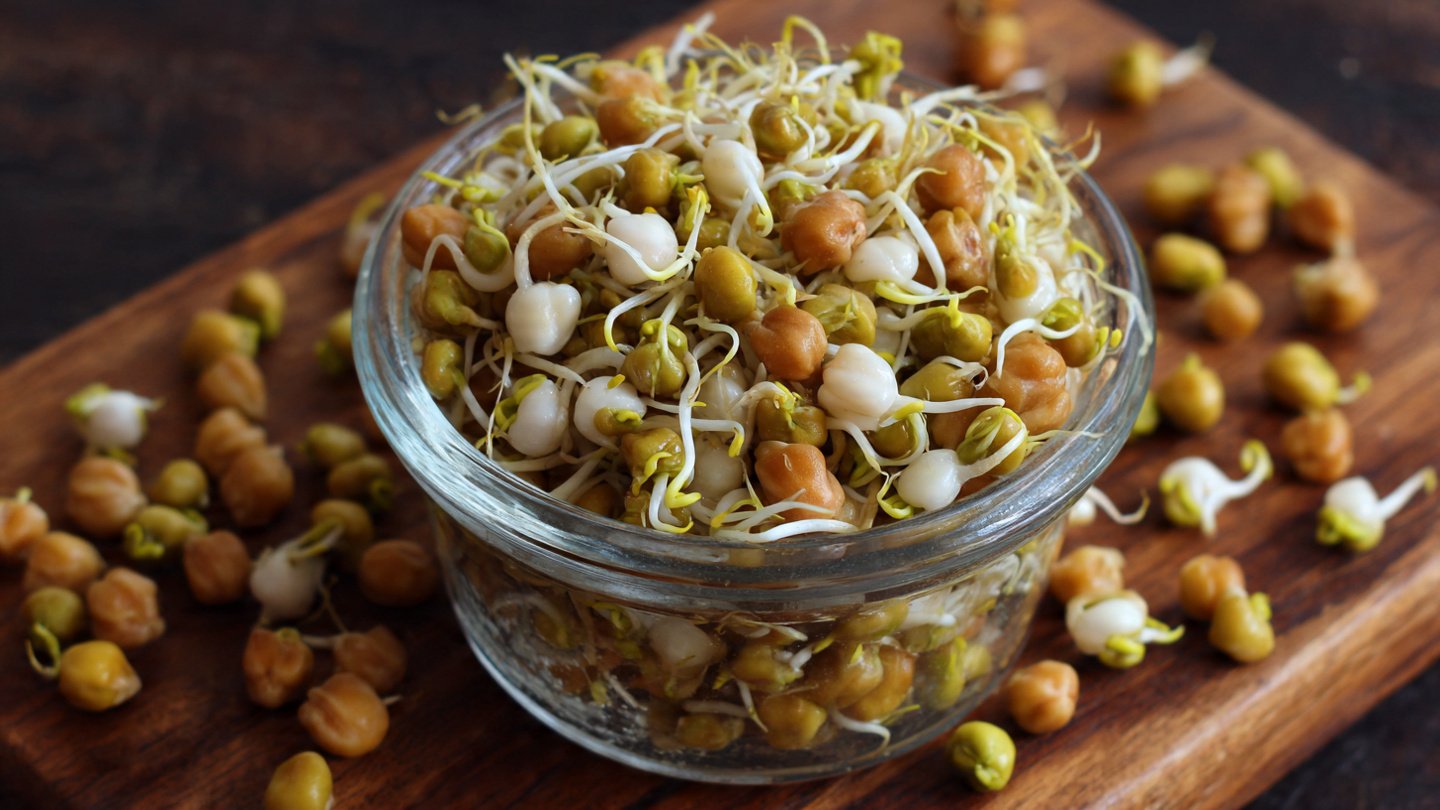
Growing chana (chickpea) sprouts at home is a simple yet rewarding process that allows you to enjoy fresh, nutritious ingredients right from your kitchen. Chana sprouts are rich in protein, vitamins, and minerals, making them an excellent addition to salads, sandwiches, and various dishes. In this article, we’ll explore the easy steps to grow chana sprouts at home, along with tips, benefits, and a FAQ section to answer common queries.
Benefits of Chana Sprouts
Before we dive into the growing process, let’s understand why chana sprouts are a worthwhile addition to your diet:
-
Nutritious: Chana sprouts are packed with nutrients and are particularly high in protein, fiber, vitamins (like B vitamins), and minerals (such as iron and magnesium).
-
Digestive Health: The fiber in chana sprouts helps enhance digestion and promotes gut health.
-
Low Glycemic Index: They have a low glycemic index, making them ideal for managing blood sugar levels.
-
Versatile: Chana sprouts can be used in various dishes, including salads, sandwiches, stir-fries, and more.
-
Easy to Grow: You can grow them in small spaces, and they require minimal equipment.
Step-by-Step Guide to Grow Chana Sprouts

Step 1: Gather Your Materials
Before you start, gather the following materials:
- Dried Chana: Choose high-quality, organic chana seeds from a reputable source.
- Jar or Sprouting Tray: You can use a glass jar with a mesh lid or a sprouting tray.
- Water: Clean, filtered water.
- A Bowl: For soaking the chana.
Step 2: Rinse and Soak the Chana
-
Rinse the Seeds: Take a cup of dried chana and rinse them thoroughly under running water to remove any dirt or impurities.
-
Soak the Seeds: Place the rinsed chana in a bowl and cover them with enough water to submerge the seeds completely. Soak the chana for about 8-12 hours or overnight. This process helps in the germination process.
Step 3: Drain and Rinse
-
Drain the Water: After soaking, drain the water from the bowl.
-
Rinse Again: Rinse the chana under running water to remove any residual substances.

Step 4: Sprouting the Chana
-
Transfer the Seeds: If using a jar, place the soaked chana into the jar and cover the opening with cheesecloth or a mesh lid. If using a sprouting tray, spread the soaked chana evenly across the tray.
-
Moisture and Darkness: Keep the jar or tray in a dark, warm place for optimal sprouting. A kitchen cupboard or pantry works well.
-
Rinse and Drain: Rinse the chana 2-3 times a day. After every rinse, make sure to drain the water thoroughly to prevent mold growth.
Step 5: Watching the Transformation
-
Sprouting Duration: In 2-4 days, you will start seeing tiny sprouts emerging from the chana. Keep up with the rinsing routine to maintain moisture without over-soaking.
-
Monitor Conditions: Make sure the environment stays warm and dark initially. Once the sprouts are about 1 inch long, you can expose them to light to encourage chlorophyll development, which enhances the nutritional value and flavor.
Step 6: Harvesting the Sprouts
-
Timing: After 4-5 days, when the sprouts are about 1-2 inches long, they are ready for harvesting.
-
Final Rinse: Give them a final rinse to clean off any debris.
-
Storage: Store the sprouts in a clean, dry container in the refrigerator. They are best consumed within a week for maximum freshness and nutrients.

Step 7: Enjoy Your Homegrown Chana Sprouts
Now that you have your fresh chana sprouts, the possibilities are endless! You can add them to salads, mix them in sandwiches, or use them in stir-fry recipes. Their nutty flavor and crunchy texture enhance a variety of dishes.
Tips for Successful Sprouting
-
Quality Seeds: Always opt for high-quality, preferably organic seeds to ensure a better yield and taste.
-
Sanitize Your Equipment: Before you start, make sure all your equipment, such as jars, trays, and utensils, are clean to avoid contamination.
-
Maintain Temperature: Aim for a temperature between 68°F (20°C) and 75°F (24°C) for optimal sprout growth.
-
Watch for Mold: If you notice any signs of mold, discard the batch and start anew, ensuring better rinsing and drainage next time.

-
Experiment with Other Sprouts: Don’t limit yourself to chana; experiment with other legumes like mung beans, lentils, and even seeds like alfalfa and broccoli.
Nutritional Content of Chana Sprouts
Chana sprouts are not just tasty; they are also a fantastic source of nutrition:
- Protein: Approximately 15 grams per 100 grams, making them an excellent plant-based protein source.
- Calories: Low in calories, typically around 164 calories per 100 grams.
- Fiber: Roughly 8 grams per 100 grams, contributing to improved digestive health.
- Vitamins and Minerals: Sources of vitamins A, C, and several B vitamins, as well as essential minerals like iron, manganese, and magnesium.
Frequently Asked Questions (FAQs)
1. Can I grow chana sprouts without rinsing them?
While it’s technically possible, rinsing helps remove dirt and prevents potential mold growth. Regular rinsing keeps the sprouts clean and healthy.
2. How long do chana sprouts last in the refrigerator?
When stored properly in a clean, dry container, chana sprouts can last up to a week in the refrigerator.

3. Can I use chana sprouts raw?
Yes! Chana sprouts are often eaten raw in salads or as toppings in various dishes to add nutrition and crunch.
4. Can I grow chana sprouts in soil?
While sprouting chana in soil can be done, it’s more common to grow them in jars or trays to ensure proper drainage and hygiene.
5. Do I need to expose sprouts to sunlight?
You should initially keep the sprouts in darkness, but once they are an inch long, a little sunlight can help increase chlorophyll content and enhances their flavor. However, direct sunlight should be avoided.
6. What causes mold on sprouts, and how can I prevent it?
Mold often arises from excess moisture or stagnant water. To prevent it, drain all water thoroughly after rinsing, and ensure good airflow around the sprouts.
7. Can I sprout other legumes and seeds the same way?
Absolutely! The same sprouting method applies to many legumes and seeds, like mung beans, lentils, and alfalfa. Just be sure to adjust soaking times and rinsing frequencies as needed.
Conclusion
Growing chana sprouts at home is not only easy but also a fantastic way to improve your diet with fresh, nutrient-rich ingredients. With the steps outlined above, you can enjoy this wholesome treat right from your kitchen. Waste no time, gather your materials, and begin your journey into sprouting today! Whether added to salads, sandwiches, or stir-fries, homegrown chana sprouts will undoubtedly enhance your meals with flavor and nutrition.