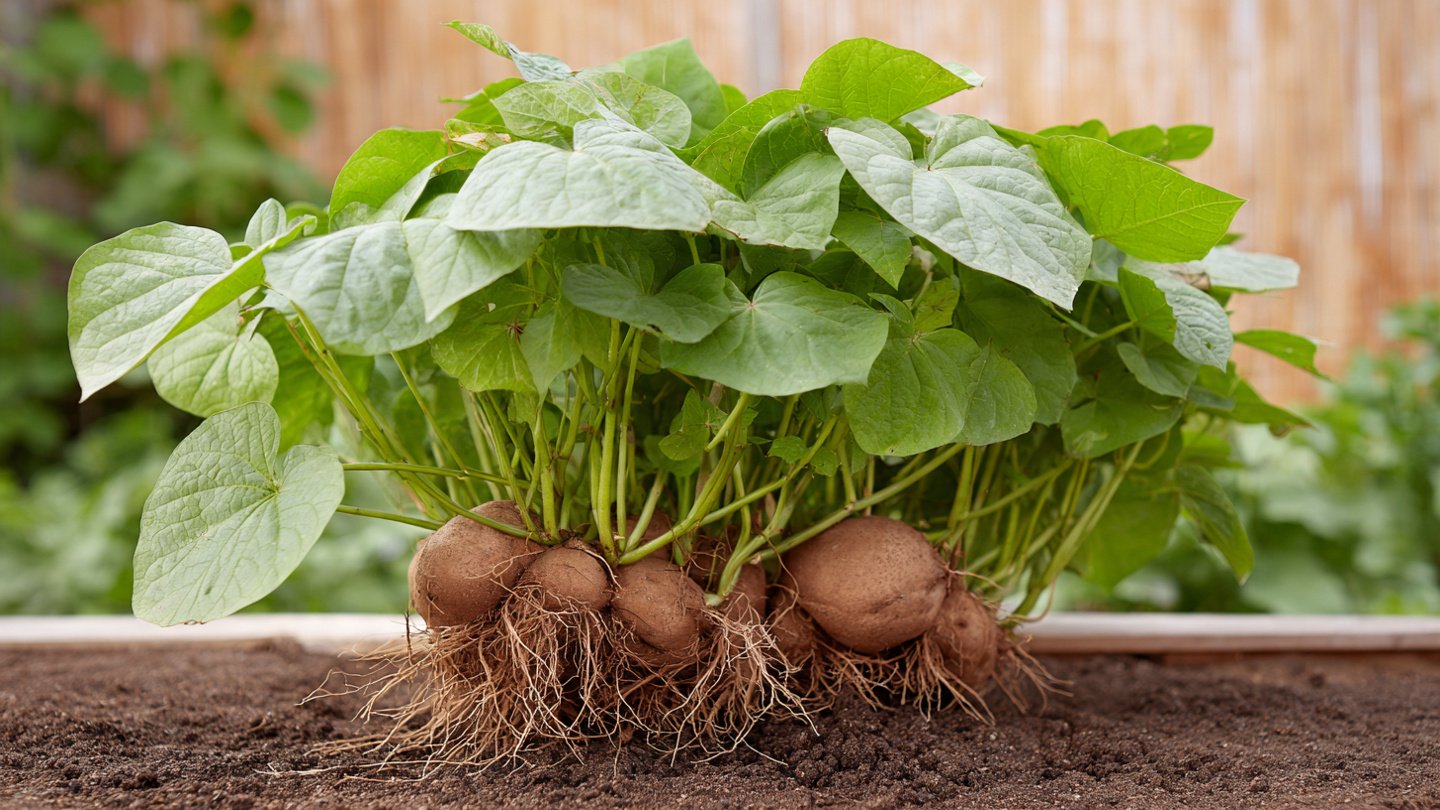
Growing sweet potatoes is a delightful way to contribute to your garden and kitchen, especially if you love their sweet, earthy flavor. Known for their vibrant orange flesh and versatility in the kitchen, sweet potatoes are not only delicious but also packed with nutrients. One of the easiest and most efficient ways to cultivate these tubers is through vine cuttings. This article will guide you through the process of growing sweet potatoes from vine cuttings, covering everything from preparation to harvest, along with a FAQ section to address common queries.
Understanding Sweet Potatoes
Before diving in, it’s important to understand what sweet potatoes are. Sweet potatoes (Ipomoea batatas) are tuberous roots that thrive in warm climates. They can be grown in various soil types but prefer well-drained, sandy loam rich in organic matter. These plants enjoy full sun and benefit from nutrient-rich soil, which contributes to their sweet flavor.
What Are Vine Cuttings?
Vine cuttings are sections of the sweet potato plant, typically taken from healthy, mature plants. These cuttings can develop roots and sprout into new plants, allowing for effective propagation without the need for seeds. Growing sweet potatoes from vine cuttings is not only easy but also cost-effective.
Step-by-Step Guide to Growing Sweet Potatoes from Vine Cuttings
Step 1: Selecting the Right Varieties
When choosing sweet potato varieties, consider your climate and taste preference. Some popular varieties include:
- Beauregard: Known for its high yield and sweet flavor.
- Centennial: Has a smooth skin and is disease-resistant.
- Jewell: Offers a rich, sweet flavor and vibrant color.

Step 2: Gathering Materials
To get started, you’ll need the following materials:
- Healthy sweet potato vines (cuttings)
- Sharp, clean scissors or pruning shears
- Water
- Potting soil or a garden bed
- Fertilizer (preferably organic)
- Plastic container or glass jar (optional)
Step 3: Preparing the Vine Cuttings
-
Choose Healthy Vines: Look for lush, green vines that are free from pests and disease. Aim for cuttings that are 6 to 12 inches long, with several nodes (the points where leaves attach).
-
Make the Cut: Use scissors or pruning shears to cut the vine just below a node. This is where the roots will eventually form.
-
Rooting the Cuttings: Place the cut end in a container filled with water or directly into moist potting soil. If using water, make sure at least one node is submerged.

-
Provide Light: Place the container in a warm, bright location, but not in direct sunlight. Change the water every few days if using the water method.
Step 4: Transplanting the Cuttings
After a couple of weeks, you’ll notice roots forming from the nodes. When the roots are about 2-4 inches long, it’s time to transplant them.
-
Prepare the Garden Bed or Containers: Choose a sunny spot that receives at least 6-8 hours of sunlight daily. If planting in containers, choose large pots with drainage holes.
-
Soil Preparation: Sweet potatoes prefer well-drained soil rich in organic matter. Amend your garden bed or potting mix with compost or well-rotted manure.
-
Planting: Make holes in the soil about 12-18 inches apart. Gently place each rooted cutting into the hole, burying it up to the first set of leaves. Firm the soil around the base to eliminate air pockets.
-
Watering: After planting, water the newly transplanted cuttings thoroughly. Ensure the soil remains consistently moist but not waterlogged.
Step 5: Care and Maintenance
-
Watering: Sweet potatoes need about an inch of water per week. In hot, dry spells, increase watering to keep the soil consistently moist.
-
Mulching: Apply a layer of organic mulch, like straw or grass clippings, to retain moisture, suppress weeds, and regulate soil temperature.
-
Fertilizing: About a month after planting, apply a balanced fertilizer to promote growth. Avoid over-fertilizing, as this can lead to more vine growth and fewer tubers.
-
Pest Management: Regularly inspect plants for pests such as sweet potato weevils, aphids, and fungal infections. Use organic pest control methods whenever possible.
-
Weed Control: Keep the area around your sweet potatoes free from weeds to reduce competition for nutrients and water.

Step 6: Harvesting Sweet Potatoes
Sweet potatoes typically take about 90 to 150 days from planting to harvest, depending on the variety. Here’s how to know when to harvest:
-
Signs of Maturity: The leaves will begin to yellow and die back, signaling that the tubers are maturing underground.
-
Testing: Gently dig around the base of a plant with a garden fork or shovel to check the size of the tubers.

-
Harvesting: If the tubers are of a desirable size, carefully dig them up, taking care not to bruise or damage them.
-
Curing: After harvesting, cure your sweet potatoes in a warm, humid environment for about 10 to 14 days to develop their flavor further.
Step 7: Storing Sweet Potatoes
Once cured, store sweet potatoes in a cool, dry place. They can last for several months when stored properly. Avoid refrigerating them, as this can alter their taste and texture.
Frequently Asked Questions (FAQs)
1. Can I grow sweet potatoes in a container?
Yes! Sweet potatoes can thrive in large containers as long as they receive adequate sunlight and water. Choose containers that are at least 5 gallons in size.
2. How long does it take for sweet potatoes to grow from cuttings?
Sweet potatoes take around 90 to 150 days from planting to harvest, depending on the variety and growing conditions.
3. Do sweet potatoes need a lot of space to grow?
Sweet potatoes require ample space for their vines to spread. Ideally, plant them 12-18 inches apart in rows that are about 3 feet apart.

4. Can I grow sweet potatoes in shady areas?
Sweet potatoes prefer full sun and will not thrive in shady conditions. Aim for 6-8 hours of sunlight daily for optimal growth.
5. How do I propagate sweet potato slips from tubers?
Place whole sweet potatoes in water or moist soil to sprout slips, then cut these slips and root them before transplanting.
6. Is it safe to eat sweet potatoes with blemishes or spots?
While minor blemishes can often be cut away, avoid eating sweet potatoes that have severe damage, mold, or an off smell.
Conclusion
Growing sweet potatoes from vine cuttings is a rewarding gardening project that can lead to delicious meals throughout the year. With proper planning, care, and attention, anyone can successfully cultivate these nutritious tubers right in their own garden. Enjoy the process and the bounty of sweet potatoes you can harvest and share with family and friends!