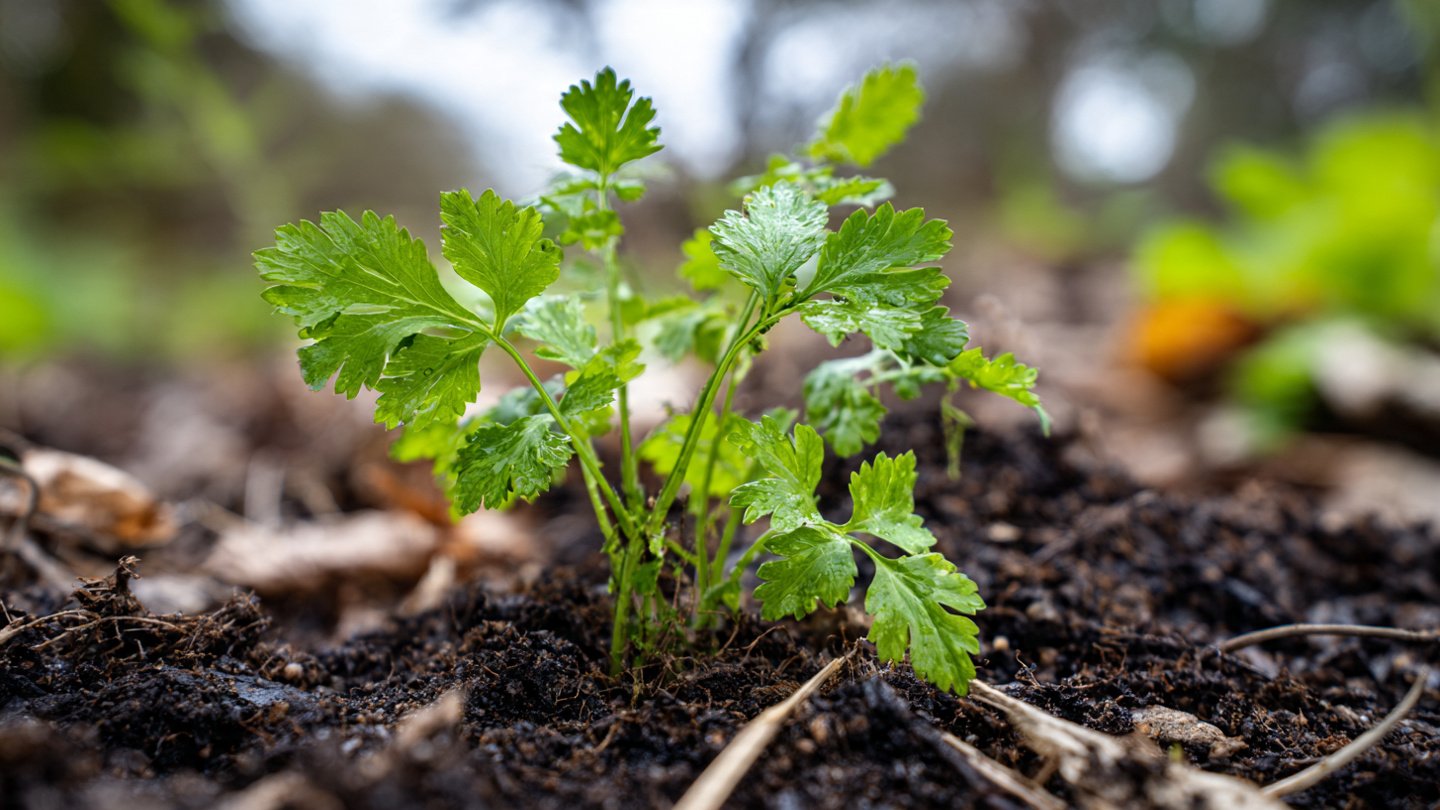
Honeyberry bushes (Lonicera caerulea) are a unique addition to the garden, beloved for their edible blue berries, high nutritional value, and early harvest. Known for their resilience and adaptability, honeyberries are a fantastic choice for home gardeners looking to diversify their offerings. This ultimate guide will walk you through everything you need to know about successfully growing honeyberry bushes for maximum yield.
Understanding Honeyberries
What are Honeyberries?
Honeyberries are native to northern Asia and parts of Europe. They belong to the honeysuckle family and produce elongated, blue berries that have a sweetness similar to blueberries. These berries are not only delicious but are also rich in antioxidants, vitamins, and minerals.
Health Benefits
Honeyberries boast numerous health benefits, including:
- High in antioxidants: These compounds help combat oxidative stress in the body.
- Rich in vitamins C and A: Essential for immune function and skin health.
- Low in calories: A healthy snack option for those watching their weight.
- Beneficial for digestive health: The dietary fiber in honeyberries can aid digestion.
Choosing the Right Varieties
When selecting honeyberry varieties for your garden, consider cross-pollination needs for maximum yields. Here are some popular options:
- Honeybee: Known for its sweet flavor and high yields. It’s a favorite for home gardeners.
- Blue Moon: A heavy producer with large berries, suitable for juicing and desserts.
- Tundra: Exceptionally resistant to cold, making it ideal for northern climates.
- Cinderella: Produces sweet, aromatic berries and has a compact growth habit.

Importance of Cross-Pollination
For optimal fruit production, it’s crucial to plant at least two different honeyberry varieties to ensure cross-pollination. This process significantly increases berry yield and fruit size.
Site Selection and Preparation
Ideal Growing Conditions
Honeyberry bushes thrive in specific conditions:
- Sunlight: They prefer full sun to partial shade. Aim for at least 6 hours of sunlight daily.
- Soil: Well-draining, loamy or sandy soil with a pH level between 6.0 and 7.5 is ideal. Avoid waterlogged soils that can lead to root rot.
- Climate: Honeyberries are hardy and can tolerate climates ranging from USDA zones 2 to 7. They can withstand cold winters and require a chilling period.
Site Preparation Steps
- Clear the Area: Remove weeds, rocks, and debris from the site.
- Soil Testing: Test the soil pH and amend it if necessary. Lime can be added to raise pH, while sulfur can lower it.
- Tillage: Loosen the soil to a depth of 12-15 inches to promote healthy root growth.
- Organic Matter: Incorporate compost or well-rotted manure to enhance soil fertility and structure.
Planting Honeyberry Bushes
Planting Time
The best time to plant honeyberry bushes is in early spring after the last frost or in the fall, about six weeks before the first frost. This gives the plants time to establish their roots.

Planting Steps
- Spacing: Space plants 3-4 feet apart, as honeyberries can grow to be 3-5 feet tall and wide.
- Digging Holes: Dig holes that are twice as wide and as deep as the root ball.
- Planting: Place the root ball in the hole, ensuring that the top of the root ball is level with the soil surface. Backfill with soil and water thoroughly.
- Mulching: Apply a layer of mulch to retain moisture and suppress weeds.
Watering and Fertilization
Watering Requirements
Honeyberry bushes require consistent moisture, especially during their first year of establishment. Aim to keep the soil evenly moist but not soggy. As the plants mature, they become more drought-tolerant.
Tips for Effective Watering:
- Water deeply once a week during dry spells.
- Monitor soil moisture levels using a moisture meter to prevent overwatering.
Fertilizing
Honeyberries benefit from a balanced fertilizer in spring. A slow-release 10-10-10 granular fertilizer is suitable. Alternatively, organic options like fish emulsion or compost can be beneficial.
Fertilizing Schedule:
- Apply fertilizer in early spring as growth resumes.
- Consider a second application in early summer for heavy producers.

Pruning Honeyberry Bushes
Pruning is essential to maintain plant health, encourage fruit production, and enhance airflow.
When to Prune
The best time to prune honeyberries is late winter or early spring before new growth begins. This timing helps avoid damaging any new blooms.
Pruning Steps
- Remove Dead or Diseased Wood: Regularly check for and cut out any dead, diseased, or damaged branches.
- Thin Out Crowded Areas: Remove about one-third of older wood annually to allow for better air circulation and sunlight penetration.
- Shape the Bush: Aim for a vase-like shape that promotes even growth and fruit production.
Pest and Disease Management
Common Pests
- Aphids: These small insects can weaken honeyberry plants. Use insecticidal soap or neem oil for control.
- Spider Mites: Look for webbing on leaves. Introduce predatory mites or use insecticidal treatments if necessary.
Diseases
- Powdery Mildew: This fungal disease can affect honeyberry plants. Ensure good airflow through pruning and apply fungicides as needed.
- Root Rot: Caused by overwatering or poorly drained soil. Ensure good drainage to prevent this issue.
Prevention Tips

- Regularly inspect plants for signs of pests or diseases.
- Practice crop rotation to reduce disease susceptibility.
Harvesting Honeyberries
When to Harvest
Honeyberries typically ripen in late spring to early summer, depending on the variety and local climate. The berries should be fully blue and plump for the best flavor.
Harvesting Steps
- Gently Hand-Pick Berries: Use your fingers to pick the berries from the cluster, being careful not to damage the branches.
- Avoid Overripe Berries: Overripe berries will begin to shrivel and lose quality.
Post-Harvest Care
Cleaning and Storage
- Rinse berries gently in cold water to remove any dirt or debris.
- Dry the berries on a clean towel before storage.
Storage Methods
Honeyberries can be stored in the refrigerator for up to a week. For long-term preservation, consider freezing them. Spread the berries on a baking sheet, freeze them individually, and then transfer them to airtight freezer bags.
Frequently Asked Questions (FAQs)
1. How long does it take for honeyberries to produce fruit?
Honeyberry bushes usually begin to bear fruit within 2 to 3 years of planting, with maximum yields reached as they mature.

2. Do honeyberries require special care during winter?
Honeyberry bushes are quite hardy and typically do not require special winter care. However, in extremely harsh conditions, applying a layer of mulch can help protect the roots.
3. Can honeyberries be grown in pots?
Yes, honeyberries can be grown in large pots with good drainage. Ensure the pot is at least 18 inches deep and wide for healthy growth.
4. What is the best way to ensure good pollination?
Plant at least two different honeyberry varieties within proximity (3-4 feet) to ensure cross-pollination, which is vital for higher yields.
5. Are honeyberries deer-resistant?
While no plant is completely deer-proof, honeyberries are generally unappealing to deer due to their flavor and can withstand certain browse pressures.
6. How can I tell when the berries are ripe?
Ripe honeyberries will be fully blue, plump, and have a slight give when gently squeezed. They are best enjoyed fresh but can also be blended into smoothies or used in baking.
Conclusion
Growing honeyberry bushes can be a fulfilling and fruitful endeavor for garden enthusiasts. With the right care, including proper site selection, planting, watering, and pest management, you can enjoy a bountiful harvest of delicious and nutritious honeyberries. Whether consumed fresh or used in various recipes, these berries can add a unique touch to your culinary endeavors. Happy gardening!