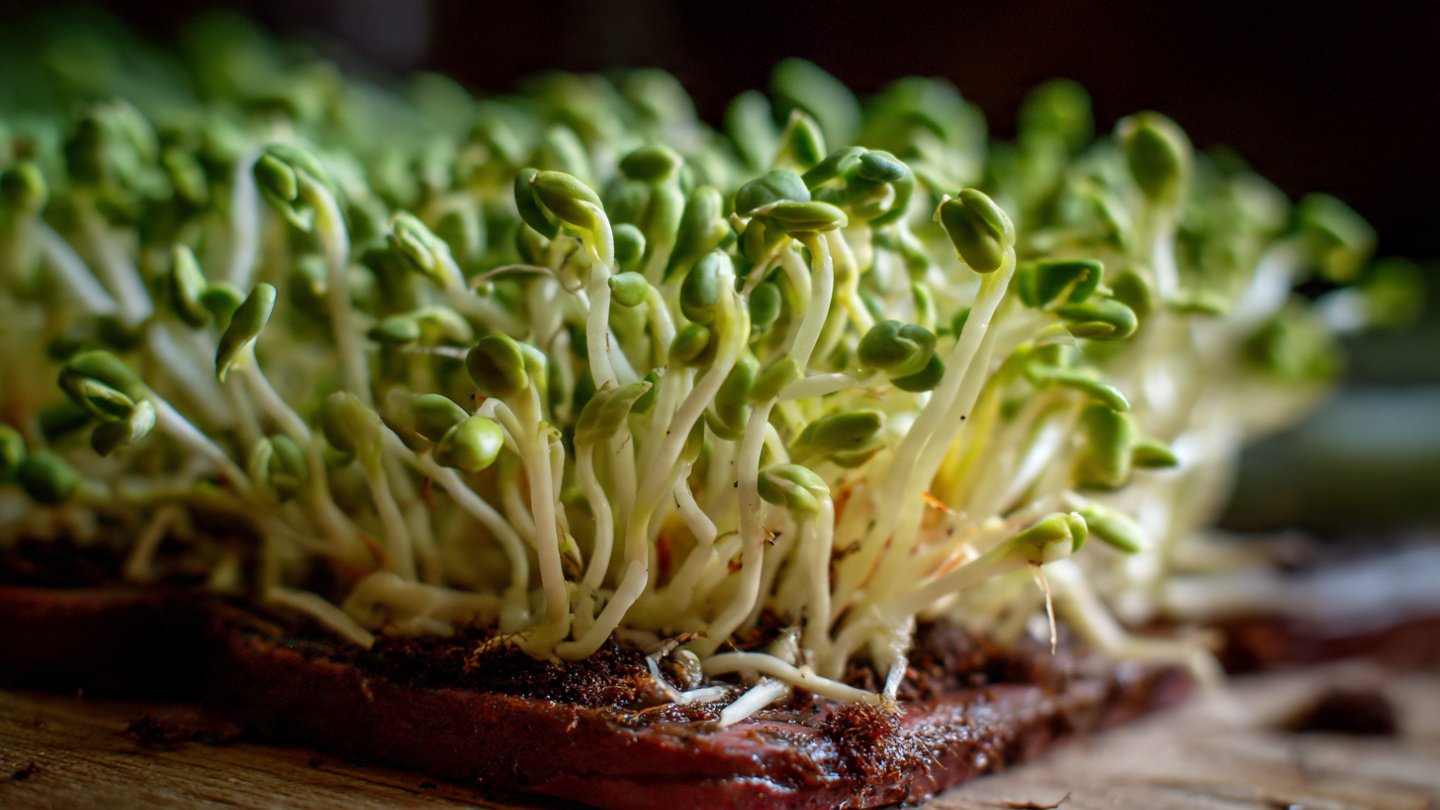
Growing moong sprouts at home is a simple yet rewarding endeavor. Not only are they a powerhouse of nutrition, but they also add a delightful crunch and flavor to various dishes. In this article, we will delve into the benefits of moong sprouts, the step-by-step process to grow them at home, and some delicious ways to incorporate them into your meals. We will also address some frequently asked questions to help you along the way.
Nutritional Benefits of Moong Sprouts
Moong, or mung beans, are packed with essential nutrients. They are an excellent source of protein, essential amino acids, vitamins, and minerals. Here are some notable benefits:
-
High Protein Content: Moong sprouts have a protein content that can rival meat and dairy products, making them an ideal choice for vegetarians and vegans.
-
Rich in Fiber: The fiber in moong sprouts aids digestion, prevents constipation, and facilitates healthy bowel movements.
-
Low in Calories: They are low in calories, making them a great addition for those on a weight-loss journey.
-
Packed with Vitamins and Minerals: They contain vitamins A, C, E, and K, as well as minerals like potassium, magnesium, and iron.
-
Antioxidant Properties: Moong sprouts are rich in antioxidants, which help combat oxidative stress and inflammation in the body.
-
Supports Heart Health: The fiber and nutrients present in moong sprouts can help lower cholesterol levels, thereby supporting heart health.

Given their myriad health benefits, incorporating moong sprouts into your diet can be a great way to boost your nutrition.
The Process of Growing Moong Sprouts at Home
What You Will Need
Before you start, gather the following materials:
-
Mung Beans: Ensure they are whole and uncooked. Organic seeds are preferable.
-
A Jar with a Lid: A wide-mouth glass jar is ideal.
-
Cheesecloth or a Fine Mesh Strainer: To cover the jar and allow for ventilation.
-
Water: Clean and filtered water for soaking and rinsing.
-
Dark and Warm Place: To encourage sprouting.

Step-by-Step Guide
Step 1: Rinse the Beans
Start by measuring out 1 cup of moong beans. Rinse them under cool water in a colander or fine mesh strainer to remove any dust or impurities.
Step 2: Soak the Beans
Place the rinsed moong beans into your jar and cover them with at least 4 cups of water. Cover the jar with a cheesecloth or a fine mesh lid, securing it with a rubber band. Let the beans soak for about 8 to 12 hours. This process hydrates the beans and kickstarts the germination process.
Step 3: Drain and Rinse
After soaking, drain the water from the jar. Rinse the moong beans under running water and drain again. Make sure to shake the jar gently to encourage the beans to settle at the bottom.
Step 4: Sprouting
After draining, place the jar at an angle (to allow any excess water to drain out) in a dark, warm place. This could be a kitchen cupboard or a pantry. Make sure your beans are still covered with the cheesecloth.
Step 5: Rinse Twice Daily
Rinse the beans every 12 hours. This is crucial to keep them moist and to prevent mold from forming. After rinsing, drain them well, place the jar back at an angle, and return them to their dark spot.
Step 6: Observe the Growth
In about 2 to 4 days, you should see tiny sprouts emerging from the beans. Once the sprouts reach about an inch in length, they are ready for harvest.

Step 7: Harvesting
When the sprouts are ready, give them one final rinse. Remove any unsprouted beans or debris. You can enjoy your fresh moong sprouts immediately or store them in the refrigerator for up to a week.
Storing Moong Sprouts
To store your moong sprouts, transfer them to an airtight container. Keep them in the refrigerator to maintain freshness. Rinse them under cool water before consumption.
Incorporating Moong Sprouts into Your Diet
Now that you’ve grown your own moong sprouts, here are some delightful ways to use them:
-
Salads: Add fresh moong sprouts to salads for an extra crunch and nutrient boost. They pair well with cucumbers, tomatoes, and a light vinaigrette.
-
Sandwiches and Wraps: Use moong sprouts as a filling in sandwiches or wraps. They add a refreshing texture and can complement various ingredients like avocado, cheese, and spreads.
-
Stir-fries: Toss moong sprouts into stir-fried vegetables. They cook quickly and enhance the dish with their fresh taste.
-
Soups: Add moong sprouts to soups just before serving for an added layer of flavor and nutrition.

-
Snacks: Sprinkle moong sprouts onto your favorite dips, such as hummus or guacamole, for a crunchy snack.
-
Smoothies: Toss a handful of sprouts into your morning smoothie for an extra boost of nutrients.
-
Curries: Incorporate sprouted moong into light curries or dals to make your dishes even more nutritious.
FAQs
1. How long does it take to grow moong sprouts?
Moong sprouts typically take about 2 to 4 days to grow, depending on the conditions. Make sure to rinse them regularly for optimal growth.
2. Do I need direct sunlight for sprouting?
No, it’s best to keep the sprouting jar in a dark and warm place. Direct sunlight can dry out the beans and halt the sprouting process.
3. Can I grow moong sprouts in soil?
While it’s possible to grow moong beans in soil, sprouting them in water is simpler and faster for home growers.
4. How do I ensure my sprouts are safe to eat?

Always rinse your sprouts thoroughly and consume them within a week. If they develop an off smell or any mold, discard them.
5. Are moong sprouts suitable for everyone?
Moong sprouts are generally safe and healthy for most people. However, those with certain digestive disorders should consult a healthcare professional before consuming raw sprouts.
6. Can I grow other types of sprouts at home?
Yes, you can grow a variety of sprouts, including lentils, chickpeas, and alfalfa. The process is similar; just adjust the soaking and sprouting time based on the type of seed.
7. What is the best way to incorporate moong sprouts into my diet?
Experiment with adding them to salads, wraps, stir-fries, soups, and snacks. They can easily enhance the nutrition and flavor of many dishes.
Conclusion
Growing moong sprouts at home is not only easy but also a fulfilling way to enhance your diet with nutritious ingredients. With their rich flavor and health benefits, they’re a valuable addition to any meal. So go ahead, give it a try, and enjoy the delightful crunch of freshly sprouted moong beans!