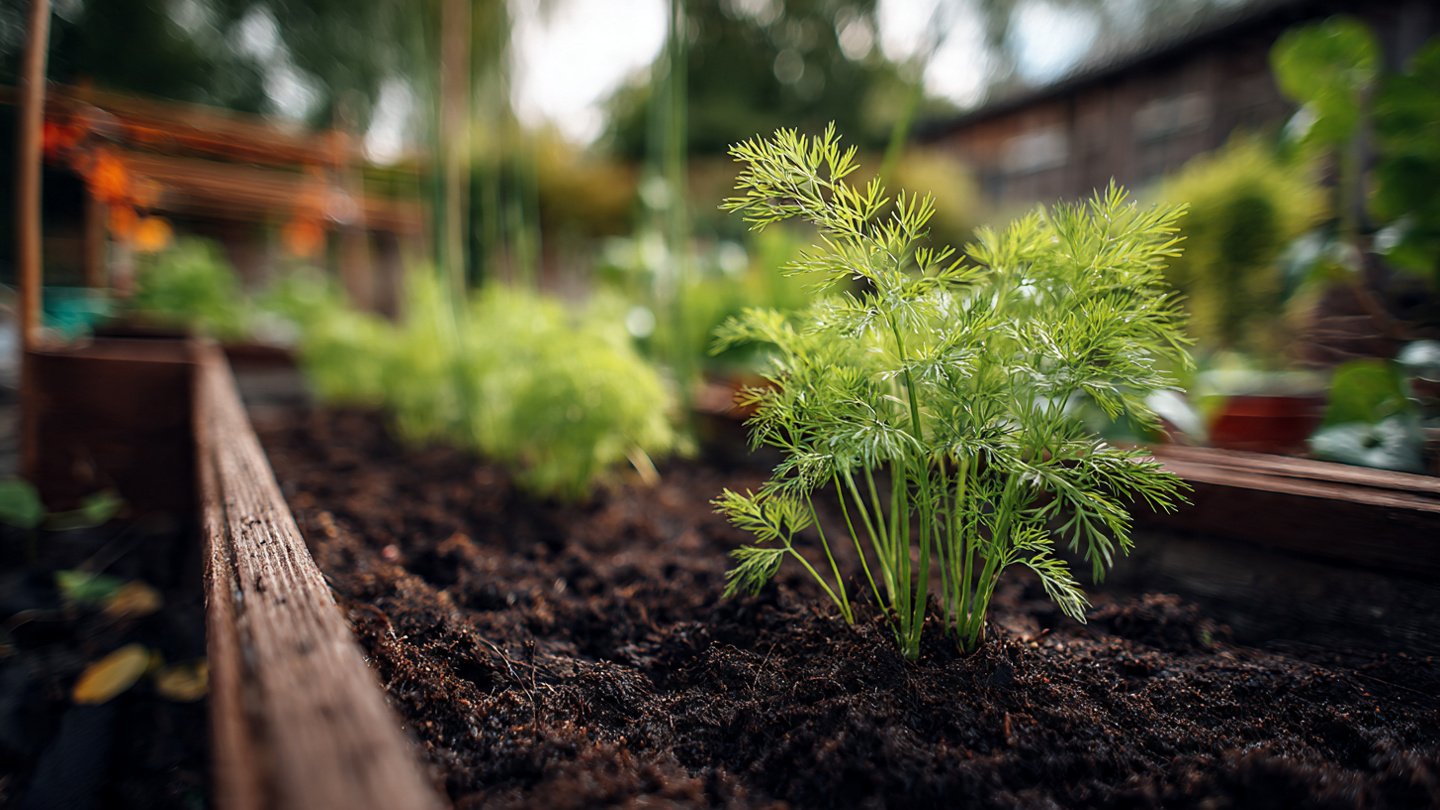
Fennel, known as “Saunf” in India, is a versatile herb with culinary, medicinal, and aromatic uses. Its feathery leaves, bulbous base, and seeds are prized in various cuisines, especially in Indian cooking. Growing fennel at home not only enhances your culinary repertoire but also offers the joy of nurturing a plant from seed to maturity. In this article, we will explore how to successfully grow fennel leaves, covering everything from selecting the right variety to care tips and potential challenges.
Understanding Fennel
Fennel (Foeniculum vulgare) is a member of the carrot family (Apiaceae) and is native to the Mediterranean region. It has a strong, sweet flavor reminiscent of anise or licorice. The plant can grow up to 4 feet tall and has a striking appearance, with feathery green leaves and yellow flowers. The seeds have a warm, aromatic flavor, making them popular in cooking and baking.
Varieties of Fennel
There are two primary types of fennel:
- Florence Fennel (Foeniculum vulgare var. dulce): This variety is grown for its bulbous stem, which can be harvested when young and tender. It’s ideal for salads, cooking, and roasting.
- Common Fennel (Foeniculum vulgare): This variety is primarily grown for its leaves and seeds. It doesn’t form a bulb and is often used as an herb.
For growing fennel leaves, the common fennel variety is recommended, especially if you’re focusing on culinary uses.
Choosing the Right Location
Sunlight
Fennel thrives in full sun, which means it needs at least 6 to 8 hours of direct sunlight per day. Select a location in your garden or on your balcony that receives ample sunlight throughout the day.

Soil
Fennel prefers well-draining, sandy loam soil rich in organic matter. A pH of 6.5 to 7.5 is optimal. If your soil is dense or clay-heavy, consider mixing in compost or well-rotted manure to improve drainage and fertility.
Sowing Fennel Seeds
Timing
Fennel seeds can be sown directly in the ground in the spring when the soil has warmed. In cooler regions, you may start seeds indoors 4 to 6 weeks before the last frost date.
Seed Preparation
Fennel seeds do not require special treatment before planting. They can be sown directly into the soil.
Planting
- Prepare the Soil: Loosen the soil to a depth of about 12 inches and mix in organic compost.
- Sowing Seeds:
- Create furrows about 1 inch apart and plant the seeds about ¼ inch deep.
- Space the seeds about 12 inches apart for optimal growth.
- Cover the seeds lightly with soil and water gently.
- Watering: Keep the soil consistently moist but not soggy. Use a spray bottle to prevent displacing the seeds.
Thinning Seedlings
Once the seedlings emerge and are about 4 inches tall, thin them to ensure proper spacing, allowing one plant every 12 inches. This helps prevent overcrowding and promotes healthy growth.
Caring for Fennel Plants
Watering
Fennel requires regular watering, especially during dry periods. Aim to provide about 1 inch of water per week, either through rainfall or supplemental watering. Avoid overhead watering as this can encourage fungal diseases.

Fertilization
Fennel benefits from fertilization, especially if grown in nutrient-poor soil. Use a balanced fertilizer (like 10-10-10) or organic alternatives such as compost or fish emulsion every 4 to 6 weeks during the growing season.
Pruning
Regularly pinch off the tips of the fennel leaves to encourage bushier growth. This not only promotes leaf production but also prevents the plant from becoming leggy.
Pest and Disease Management
Fennel is generally pest-resistant, but watch out for aphids, caterpillars, and other common garden pests. Hand-picking or using insecticidal soap can help control infestations.
Additionally, fennel can be susceptible to fungal diseases, particularly if there is excessive moisture. Ensure good air circulation around the plants and avoid overhead watering to mitigate this risk.
Harvesting Fennel Leaves
Fennel leaves can be harvested when the plants are about 12 inches tall and have plenty of leafy growth. The best time to cut the leaves is in the morning when the essential oils are most concentrated.

How to Harvest
- Use sharp scissors or garden shears to cut the leaves, ensuring that you leave some foliage intact for continued growth.
- Harvest selectively to encourage ongoing production.
- Use the fresh leaves immediately or store them in the refrigerator, wrapped in a damp paper towel, for several days.
Cooking with Fennel Leaves
Fennel leaves are a flavorful addition to many dishes. Use them fresh in salads, as a garnish, or in soups, stews, and sauces. The leaves can also be used as a seasoning for meat, fish, or roasted vegetables.
Storing Fennel Leaves
If you have a surplus of fennel leaves, consider drying them for later use. To dry:
- Tie the leaves in small bundles and hang them upside down in a cool, dark place with good air circulation.
- Once fully dried, store the leaves in an airtight container in a cool, dark place.
Troubleshooting Common Issues
Yellowing Leaves
If the leaves of your fennel plant are turning yellow, it could indicate overwatering or nutrient deficiency. Ensure proper drainage and consider fertilizing if necessary.
Bolting
Fennel may bolt (go to seed) if stressed by heat or drought. To prevent this, ensure consistent watering and consider planting in partial shade during the hottest months.
Stunted Growth
If your fennel plants appear stunted, check for root-bound conditions if grown in containers or overcrowding if planted directly in the ground. Thin the plants appropriately or transplant them.

FAQs About Growing Fennel Saunf Leaves
1. Can I grow fennel in containers?
Yes, fennel grows well in containers as long as they are deep enough to accommodate the root system. Use a well-draining potting mix and ensure the container has drainage holes.
2. How long does it take for fennel to grow?
Fennel typically takes about 3 to 4 months to mature from seed to harvestable size, depending on the variety and growing conditions.
3. Can I use fennel leaves for tea?
Yes, fennel leaves make a flavorful herbal tea. Simply steep fresh or dried leaves in hot water for a few minutes, strain, and enjoy.
4. Is fennel a perennial or annual plant?
Fennel is classified as a perennial herb, but it is often grown as an annual in home gardens since it tends to bolt in warmer temperatures.
5. What can I plant next to fennel?
Fennel has a reputation for inhibiting the growth of certain plants, especially beans and tomatoes. It’s best to plant it away from these species. Good neighbors include most herbs and vegetables that don’t share a space with its undesirable companions.

6. Are fennel leaves edible?
Yes, both the leaves and the seeds are edible. The leaves are commonly used as a culinary herb, while the seeds are used as a spice.
7. Can I propagate fennel from cuttings?
While fennel is primarily grown from seeds, it is possible to propagate it from cuttings. However, this is less common and may not produce results as reliably as starting from seeds.
Conclusion
Growing fennel at home is a rewarding experience that enriches both your garden and your kitchen. By following the guidelines outlined in this article, you can cultivate healthy, aromatic fennel leaves that will enhance a variety of dishes. With a little care and attention, you’ll enjoy the delightful flavors of homemade fennel for months to come. Happy gardening!