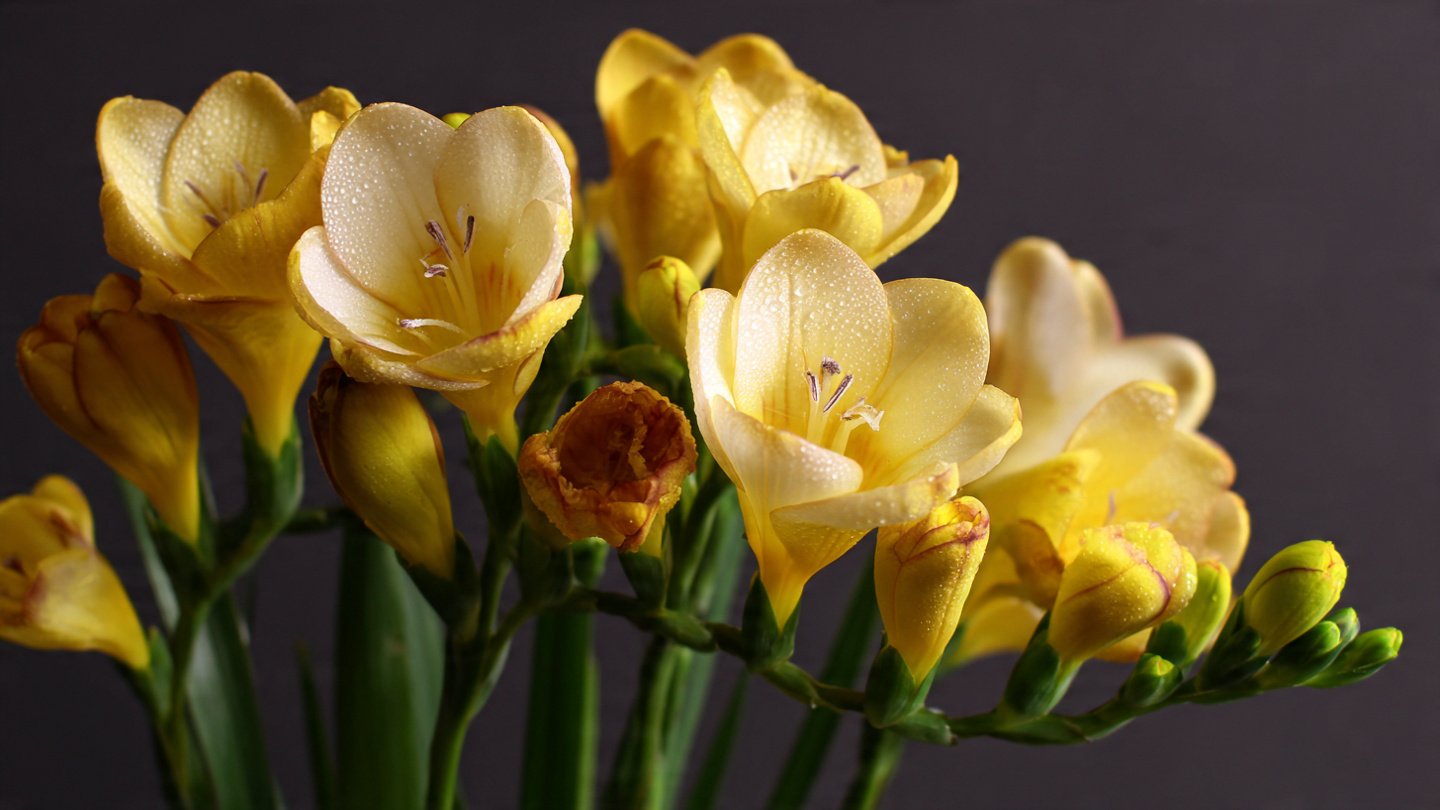
Freesias are a popular choice among gardeners, renowned for their enchanting fragrance and stunning blooms. Native to South Africa, these perennial flowers come in various colors and produce trumpet-shaped blossoms that can transform any garden space. Growing freesias from bulbs can seem daunting for beginners, but with proper care and guidance, anyone can cultivate these beautiful flowers at home. This guide will walk you through everything you need to know about growing freesias, from selecting bulbs to maintenance and troubleshooting.
Understanding Freesia Bulbs
What are Freesia Bulbs?
Freesias are grown from corms, which are similar to bulbs but differ in structure. Corms are storage organs that provide nutrients to the plant during its growth phase. Unlike true bulbs, corms are not layered but are instead solid structures.
Types of Freesia
Freesias come in several varieties, with the most common ones including:
- Freesia refracta: Known for its fragrant, vibrant blooms.
- Freesia hybrida: A hybrid variety with a wide color range, including red, blue, yellow, and white.
Understanding the specific needs of each type can help in successfully cultivating them.
Choosing the Right Location
Sunlight Requirements
Freesias thrive best in full sun to partial shade. Ideally, they should receive at least six hours of sunlight daily. A southern or southwestern-facing garden bed is perfect, as it ensures ample sunlight.

Soil Conditions
Freesias prefer well-drained soil with a slightly acidic to neutral pH (around 6.0 to 7.0). Sandy loam is ideal as it retains some moisture while allowing excess water to drain away, preventing rot. If you are unsure about your soil quality, consider conducting a soil test.
Preparing to Plant
When to Plant
The best time to plant freesia corms in regions with cold winters is in the early spring after the last frost. However, in warmer climates, they can be planted in the fall.
Selecting Quality Corms
Quality matters! When purchasing freesia corms, look for those that are firm, plump, and free from mold or soft spots. They should ideally be about 1 inch in diameter.
Soil Preparation
Before planting, enrich your soil with organic matter such as compost or well-rotted manure. This adds nutrients and improves drainage. You might also consider adding a balanced fertilizer to promote healthy growth.
Planting Freesia Corms
Planting Depth and Spacing
Plant freesia corms about 1 to 2 inches deep, spaced approximately 6 to 8 inches apart. This allows for enough room for the plants to grow and thrive.
Watering After Planting
After planting, water the corms lightly to help settle the soil. Be cautious not to overwater, as this can lead to rot.

Caring for Growing Freesias
Watering
Freesias need consistent moisture, especially during the growing season. Water them regularly but ensure the soil drains well. It’s important to let the top inch of soil dry out between waterings.
Fertilizing
Feed freesias every four to six weeks with a balanced liquid fertilizer during the growing season. Once blooming starts, switch to a fertilizer low in nitrogen and higher in phosphorus and potassium to encourage flowering.
Mulching
Applying a layer of mulch can help retain moisture and suppress weeds. Organic mulch, like wood chips or straw, is ideal as it breaks down over time, enriching the soil.
Pests and Diseases
Freesias are generally resistant to pests but can occasionally suffer from aphids, thrips, or fungal diseases like root rot. Inspect your plants regularly and treat any infestations with insecticidal soap or appropriate fungicides.
Encouraging Blooms
Blooming Season
Freesias typically bloom in late spring to early summer. The exact timing will depend on your local climate and when you plant the corms.
Supporting Blooms

Tall varieties may require staking to prevent them from toppling over as they bloom. Use lightweight stakes and soft ties to support the flowers.
Post-Bloom Care
Deadheading
Removing spent flowers helps redirect the plant’s energy to the corms, promoting better growth for the next season. Place your pruners close to the base of the flower stem, and cut just above the foliage.
Foliage Care
Once blooming has finished, allow the foliage to die back naturally. This is crucial as the leaves continue to photosynthesize, providing energy to the corms for next year’s growth.
Lifting and Storing Corms
In colder climates, you’ll need to lift the corms once the foliage has died back. Carefully dig them out with a spade, taking care not to damage them, and let them dry for a few days in a shaded area. Store them in a cool, dry place in a paper bag or mesh container until the next planting season.
Troubleshooting Common Issues
Why Are My Freesias Not Blooming?
- Insufficient Sunlight: Ensure they get enough light.
- Poor Soil Quality: Test soil and amend as needed.
- Too Much Nitrogen: Excess nitrogen promotes leafy growth over blooms.
Yellowing Leaves

This could be a sign of overwatering or a nutrient deficiency. Adjust watering and consider applying a balanced fertilizer.
Wilting Flowers
If flowers are wilting, they may be lacking water or nutrients. Check soil moisture and consider a dose of liquid fertilizer.
Tips for Success
- Keep Records: Note planting dates, bloom times, and any issues faced for future reference.
- Experiment with Colors: Try planting different colored freesias for a more vibrant display.
- Join a Community: Connect with local gardening clubs or online forums for tips and support.
FAQs About Growing Freesia from Bulbs
1. How long do freesias take to bloom?
Freesias typically take about 10 to 12 weeks from planting to blooming, depending on the variety and growing conditions.
2. Can I grow freesias indoors?
Yes, freesias can be grown indoors in pots. Just ensure they receive sufficient light and are watered appropriately.
3. Are freesias annuals or perennials?
Freesias are perennial plants in suitable climates, but they are often treated as annuals in colder regions where the corms are lifted and stored.

4. Can I plant freesias with other flowers?
Yes, freesias grow well alongside other flowers, but ensure they have enough space for growth and sunlight.
5. What climate is best for growing freesias?
Freesias prefer moderate climates and do best in USDA zones 8 through 10.
6. How do I prevent corm rot?
Ensure the soil drains well and avoid overwatering. Plant corms in well-draining soil enriched with organic matter.
7. When do I need to stop watering freesias?
Gradually reduce watering once the flower blooms begin to fade and the foliage starts to yellow, indicating dormancy.
8. How can I propagate freesias?
Freesias can be propagated by dividing corms. This is best done when lifting them for storage after the foliage has died back.
Conclusion
Growing freesias from bulbs is a rewarding experience that adds beauty and fragrance to your home garden. By understanding their needs and following the outlined steps, you can successfully nurture these stunning flowers from corm to bloom. Whether you’re a seasoned gardener or a beginner, freesias provide an opportunity to enjoy colorful blooms and sweet scents throughout the growing season. Happy gardening!