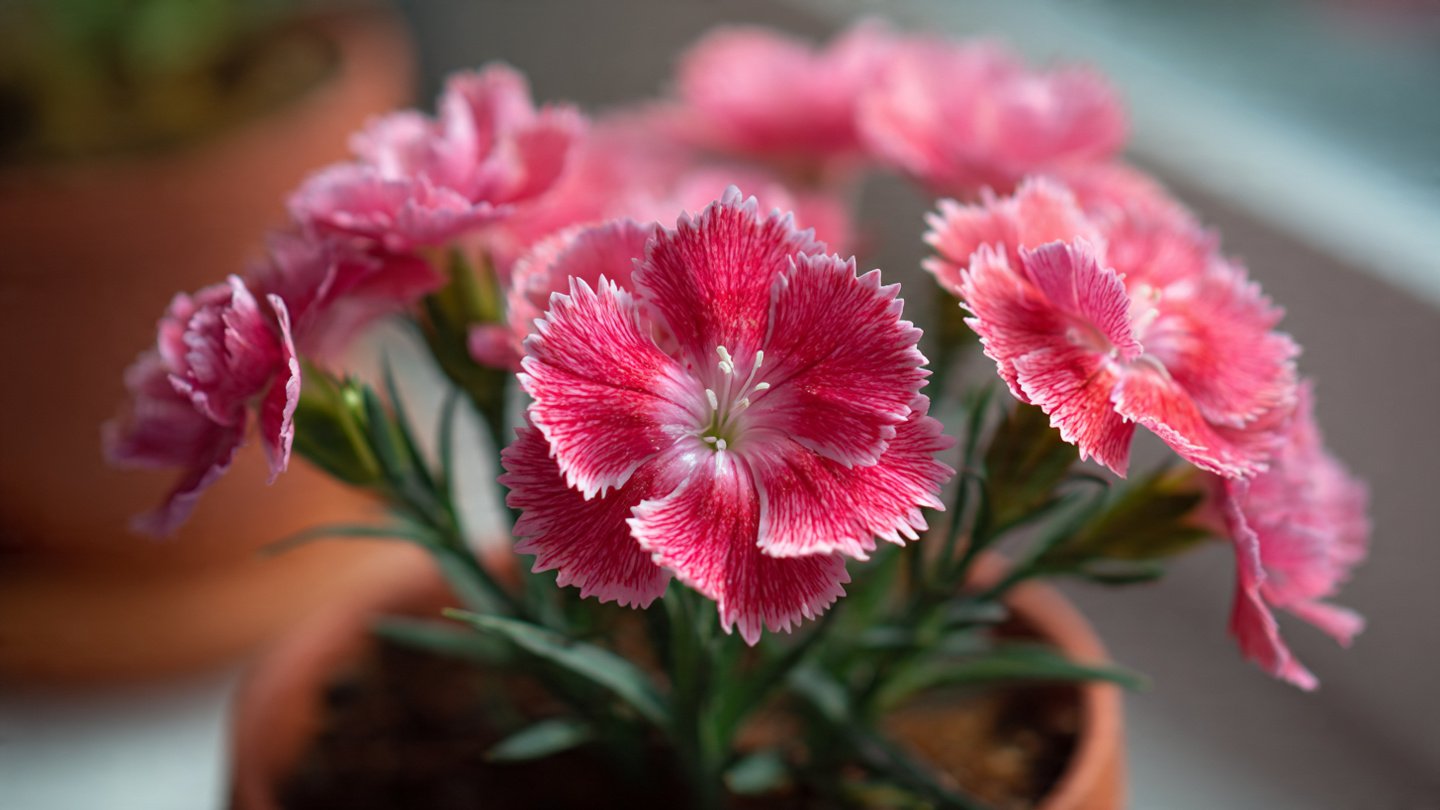
Dianthus, commonly known as carnations or pinks, are cherished for their vibrant colors, delightful fragrance, and charming appearance. These hardy flowers can be grown easily indoors, making them an excellent choice for beginners looking to add a splash of color to their homes. This guide will walk you through everything you need to know about growing Dianthus indoors, from choosing the right variety to caring for them throughout their life cycle.
Choosing the Right Varieties
Dianthus comes in several varieties, but not all are suitable for indoor growth. Here are a few that thrive well in indoor environments:
-
Dianthus caryophyllus (Carnation): This is the traditional flower associated with Dianthus. It produces lovely blooms in various colors and has a pleasantly sweet scent.
-
Dianthus barbatus (Sweet William): Known for its clusters of small flowers, Sweet William adds a burst of color and has high resistance to pests.
-
Dianthus chinensis (China Pink): A compact variety that is ideal for pots, with vibrant blooms that last a long time.
-
Dianthus gratianopolitanus (Cheddar Pink): Known for its beautiful pink flowers and distinct scent, this variety is also quite hardy.
When selecting a variety, consider factors such as space, light availability, and personal preference. Most importantly, ensure the seeds or plants are sourced from a reputable grower.

Getting Started: Planting Dianthus Indoors
Materials Needed
- Containers: Use pots with drainage holes to prevent waterlogging.
- Potting Mix: A well-draining potting mix is ideal; consider a blend that contains perlite or vermiculite to enhance drainage.
- Seeds or Seedlings: Purchase quality seeds or young plants.
- Watering Can: For consistent watering.
- Fertilizer: Use a balanced, water-soluble fertilizer.
Step-by-Step Planting Guide
-
Choose the Right Container: Select pots that are at least 6-8 inches in diameter. Ensure there are drainage holes at the bottom.
-
Prepare the Potting Mix: Fill the pot with a well-draining mix. Leave about an inch of space at the top to avoid overflow when watering.
-
Sow the Seeds or Transplant Seedlings:
- Seeds: If using seeds, sprinkle them on top of the soil and lightly press them down. Cover them with a thin layer of soil (about 1/8 inch).
- Seedlings: If transplanting, make a hole in the soil, place the seedling in, and gently pack the soil around it.

-
Watering: Water the pot thoroughly after planting. Ensure excess water drains out, as Dianthus prefers slightly dry conditions.
-
Lighting: Place the pot in a spot where it can receive at least six hours of bright, indirect sunlight daily. A south or west-facing windowsill is ideal.
Caring for Indoor Dianthus
Watering
Dianthus prefers to be on the drier side rather than overly damp. Water when the top inch of the soil feels dry. During warm months, you may need to water more frequently, while in cooler months, reduce the watering schedule.
Fertilization
Dianthus benefits from regular feeding, especially during the growing season (spring and summer). Use a balanced, water-soluble fertilizer every 4-6 weeks. Dilute it to half strength to avoid over-fertilization, which can damage the plant.
Pruning
Regular deadheading is essential. Remove spent flowers to encourage the growth of new blooms and maintain the plant’s overall health. Additionally, trim back any leggy or overgrown stems to promote a bushier appearance.
Temperature and Humidity

Dianthus prefers cooler temperatures, ideally between 60°F and 70°F (15°C and 21°C). They do well in low to moderate humidity levels but can benefit from occasional misting, especially in dry indoor climates.
Pest Control
While Dianthus is generally resistant to pests, keep an eye out for aphids, spider mites, and whiteflies. If you encounter pests, remove them by hand or treat the plant with insecticidal soap.
Common Problems and Solutions
-
Leaf Discoloration: Yellowing leaves can indicate overwatering or nutrient deficiencies. Check your watering schedule and consider feeding your plant.
-
Dying or Wilting Plants: This could be a sign of underwatering or lack of sunlight. Ensure they receive adequate light and adjust your watering routine.
-
Poor Growth: If the Dianthus isn’t thriving, evaluate the soil quality and consider repotting if the roots are congested.
Encouraging Blooming
To promote blooming, ensure your Dianthus gets adequate light and nutrients. Lowering temperatures at night can also stimulate flowering. Avoid letting the plant go completely dry for extended periods, as this can inhibit flower production.
Harvesting and Using Dianthus

Dianthus flowers can be cut for arrangements or bouquets. For the best results, cut them in the morning when they’re fully hydrated. Use clean, sharp scissors to avoid damaging the plant. Take care to cut the stem at an angle and remove any leaves that will be submerged in water.
FAQs
1. How often should I water my indoor Dianthus?
Water when the top inch of soil feels dry. Depending on environmental conditions, this may be every 3-7 days.
2. Can I grow Dianthus from seeds indoors?
Yes, you can! Start seeds indoors about 8-10 weeks before the last frost date. They need bright light and warmth to germinate.
3. Is Dianthus toxic to pets?
Dianthus is considered non-toxic to both cats and dogs, making it a safe choice for pet owners.
4. What is the best fertilizer for indoor Dianthus?
A balanced, water-soluble fertilizer works best. Look for one with equal parts nitrogen, phosphorus, and potassium (like a 10-10-10).
5. Why are my Dianthus leaves turning yellow?
Yellowing leaves can indicate overwatering or a nutrient deficiency. Check your watering habits and consider fertilization if needed.

6. Can I grow Dianthus in low light conditions?
Dianthus prefers bright light. If growing in low light, try to provide supplemental lighting or relocate them to a brighter area.
7. When is the best time to prune indoor Dianthus?
Regularly deadhead spent flowers to promote blooming. You can also trim back leggy growth in early spring.
8. How can I prevent pests on my Dianthus?
Maintain good air circulation, keep the leaves clean, and use insecticidal soap if necessary. Regular checks can help catch infestations early.
Conclusion
Growing indoor Dianthus can be a rewarding experience for beginners. With the right planning, care, and attention to detail, you can enjoy these stunning blooms throughout the year. Whether used as a centerpiece or as part of an indoor garden, Dianthus adds beauty and freshness to any space. By following this easy guide, you are well on your way to becoming a successful indoor gardener. Happy planting!