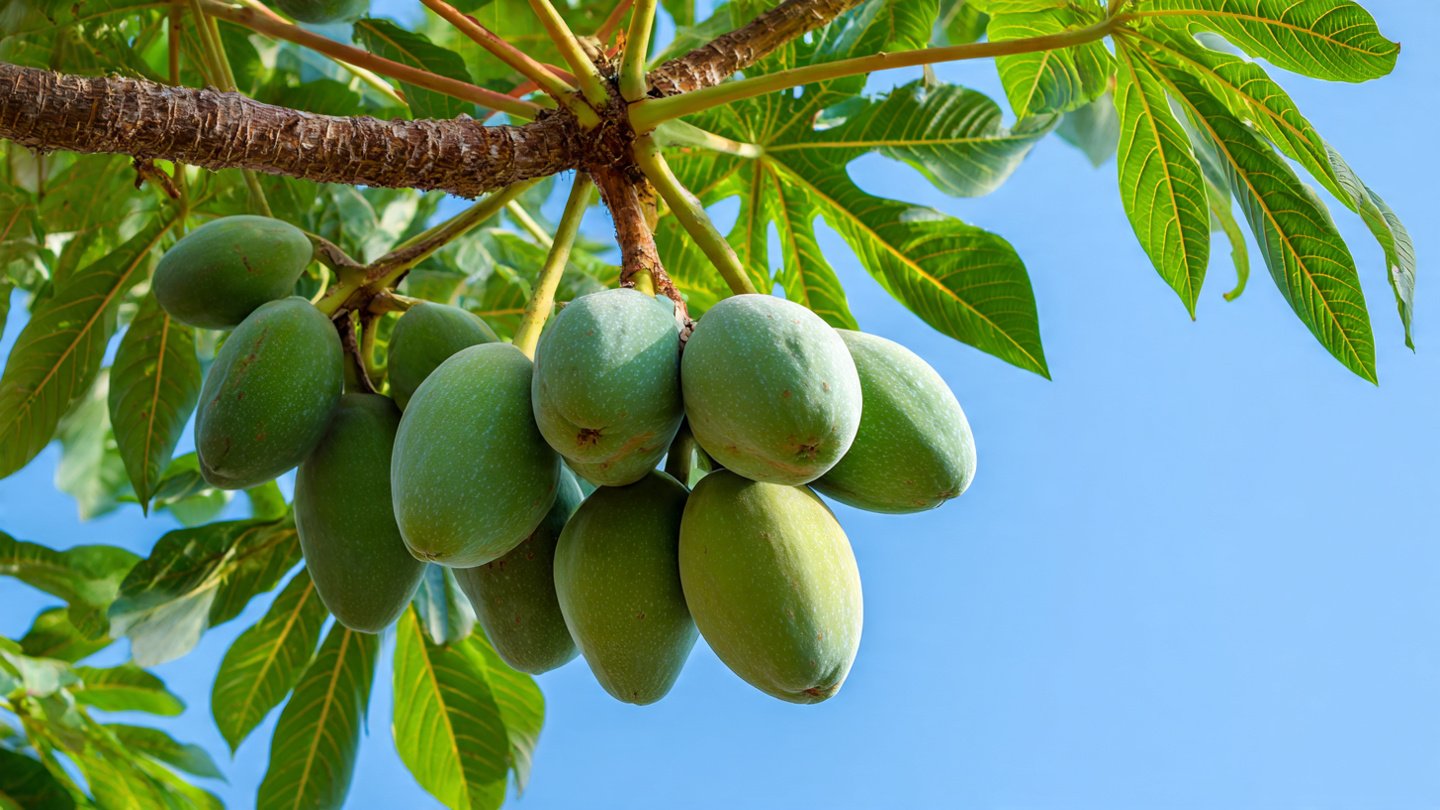
Best Strategies for Successfully Growing Pawpaw Trees in Canadian Climates
Pawpaw trees (Asimina triloba) are unique, tropical-looking trees native to North America, renowned for their delicious fruit resembling a creamy mango or banana. While traditionally associated with warmer climates, pawpaw trees can thrive in various regions, including parts of Canada. This article will explore effective strategies for successfully growing pawpaw trees in Canadian climates, ensuring you enjoy their delectable fruit even in cooler regions.
Understanding Pawpaw Trees
Before delving into the specifics of growing pawpaw trees, it’s essential to understand their characteristics and growth requirements. Pawpaws are deciduous trees that can reach heights of 15-30 feet, featuring large, lush green leaves that can span up to a foot long. Their flowers are bell-shaped and can appear in early spring, following the leaf buds. The fruit matures in late summer to early fall and can weigh between 5-16 ounces.
Climate Adaptability
Pawpaw trees are hardy in USDA Zones 5-8. Although parts of Canada fall within Zones 4-5, specific strategies can successfully cultivate the trees.
Best Strategies for Growing Pawpaw Trees in Canada
-
Choosing the Right Variety
Selecting a pawpaw variety suited to your local climate can significantly impact your success. Some varieties known for their cold tolerance include:
- ‘North East’: Adaptable to cooler environments and known for its sweet fruit.
- ‘Sunflower’: Resistant to disease and produces large, flavorful fruit.
- ‘Albemarle’: A hardy variety that can withstand colder conditions.
Be sure to check with local nurseries or extension services to find varieties best suited to your region.
-
Site Selection
Pawpaw trees thrive in a range of soil types, but they prefer well-drained, loamy soils rich in organic matter. When selecting a site, consider these factors:
- Sunlight: While pawpaws can tolerate partial shade, full sun is ideal for optimal fruit production. Choose a location that receives at least 6 hours of sunlight daily.
- Drainage: Ensure the site has good drainage, as pawpaw roots are sensitive to standing water. Raised beds or slopes can improve drainage.
- Shelter: Young pawpaw trees can be susceptible to wind damage. Plant them in a sheltered area or use windbreaks like shrubs or fences.
-
Soil Preparation
Before planting, it’s crucial to prepare the soil properly. Conduct a soil test to determine pH and nutrient levels. Pawpaw trees prefer slightly acidic soil with a pH of 5.5 to 7.0. Amend the soil with compost or well-rotted manure to enhance fertility and structure.
Soil Amendments:
- Compost: Adds organic matter and provides essential nutrients.
- Mulch: When mulched, the root zone retains moisture, and weed growth is reduced. Use organic mulch like straw, wood chips, or grass clippings.
-
Planting Techniques
Ideally, plant pawpaw trees in the spring once the risk of frost has passed. Follow these guidelines for successful planting:

- Spacing: Allow sufficient space between trees (15-20 feet) to promote airflow and mitigate disease risks. If planting as a hedge or close row, ensure about 10 feet of spacing.
- Depth: Plant the tree at the same depth as it was growing in the nursery. Avoid burying the crown, as this may cause rot.
-
Watering Practices
Young pawpaw trees require consistent moisture. For the first year, water regularly, especially during dry spells. After establishing, they can tolerate moderate drought conditions but will perform best with consistent moisture.
Watering Tips:
- Drip Irrigation: Consider installing a drip irrigation system for precise watering.
- Mulching: Use mulch to retain moisture and regulate soil temperatures.
-
Fertilization
Pawpaw trees are relatively low-maintenance concerning fertilization. However, applying fertilizer can enhance growth and fruit production.
- Early Spring: Use a balanced, slow-release fertilizer in early spring as new growth begins. A 10-10-10 NPK fertilizer or organic options like fish emulsion can work well.
- Avoid Over-Fertilization: Too much nitrogen may lead to excessive foliage growth at the expense of fruit production.
-
Pruning Practices

Pruning is crucial for maintaining the health and productivity of pawpaw trees.
- Initial Pruning: In the early years, focus on establishing a strong central leader and removing any dead, damaged, or crossing branches.
- Annual Pruning: After the third year, prune annually to enhance air circulation and sunlight penetration, which can improve fruit quality and prevent diseases.
-
Pollination
Pawpaw trees are primarily pollinated by flies and beetles, which may not be abundant in all areas. To ensure successful pollination, consider planting multiple varieties close together, as cross-pollination can improve fruit set.
- Hand Pollination: In areas of limited pollinator activity, you can hand-pollinate flowers by transferring pollen with a small paintbrush.
-
Pest and Disease Management
While pawpaw trees are relatively resistant to many pests and diseases, some issues can arise:
- Aphids: Monitor for aphids and use insecticidal soap or neem oil if infestations occur.
- Fungal Diseases: Good air circulation through pruning and proper spacing helps prevent fungal issues. Avoid overhead watering to decrease humidity.
- Root Rot: Ensure proper drainage and avoid waterlogged soils.
-
Harvesting and Storage

Pawpaw fruits are ready for harvest when they are soft and slightly fragrant. Cut the fruit from the tree rather than pulling it, as this helps avoid damage.
- Storage: Pawpaws can be refrigerated for about a week. For longer storage, consider freezing or making desserts, smoothies, or preserves.

FAQs
1. Can pawpaw trees grow in pots?
Yes, pawpaw trees can grow in pots, but they will require a larger container (at least 15 gallons) for optimum growth. Ensure proper drainage and provide adequate sunlight.
2. How long does it take for a pawpaw tree to bear fruit?
Pawpaw trees typically begin to bear fruit 3-5 years after planting, depending on the variety and growing conditions.
3. What is the best time to plant pawpaw trees in Canada?
The best time to plant pawpaw trees in Canada is in the spring once the last frost has passed, typically from late April to early June.
4. Are pawpaw fruits edible?
Yes, pawpaw fruits are not only edible but also highly nutritious, containing vitamins and antioxidants.

5. Can pawpaw trees survive Canadian winters?
While some varieties can survive harsh winters, protection strategies like wrapping the trunk with burlap or using frost cloth can enhance their winter hardiness.
6. Do pawpaw trees require companion planting?
While not strictly necessary, planting multiple varieties can promote better fruit set due to improved pollination.
7. What are common pests that affect pawpaw trees?
Common pests include aphids, beetles, and caterpillars. Regular monitoring and integrated pest management strategies are effective.
Conclusion
Growing pawpaw trees in Canadian climates is feasible with the right strategies. By selecting suitable varieties, optimizing soil conditions, and implementing proper care techniques, you can enjoy the unique and delicious fruits of your hard work. With patience and dedication, you’re on your way to cultivating this remarkable tree in your own backyard. Happy planting!