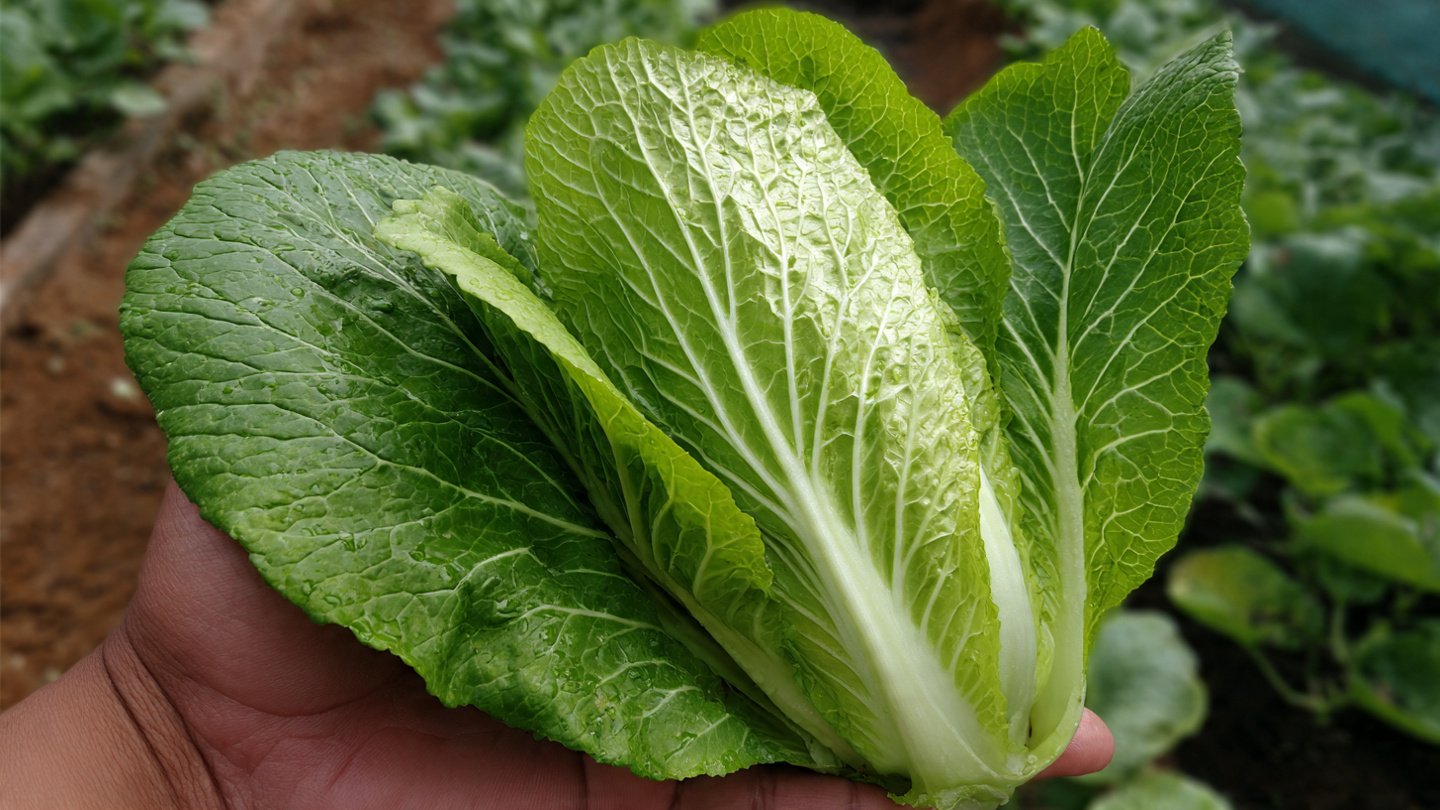
Growing your own vegetables can be a rewarding experience, and one of the most versatile and nutritious options is Chinese cabbage. Known for its crisp texture and mildly sweet flavor, this leafy green is perfect for stir-fries, salads, and soups. This guide will walk you through the essential steps to grow Chinese cabbage in your home garden, from selecting the right variety to harvesting your crop.
Why Grow Chinese Cabbage?
Chinese cabbage (Brassica rapa subsp. pekinensis) is favored not only for its taste but also for its adaptability and nutritional benefits. High in vitamins C and K, fiber, and antioxidants, it’s an excellent addition to a balanced diet. Furthermore, its quick growth cycle makes it a great option for beginner gardeners.
Choosing the Right Variety
There are two main types of Chinese cabbage: Napa cabbage and Bok Choy.
- Napa Cabbage: This variety is characterized by its cylindrical shape and crinkled leaves. It has a mild flavor and is typically used in kimchi and stir-fries.
- Bok Choy: Recognized for its broad, dark green leaves and white stalks, it is often used in soups and salads.
Choose a variety based on your culinary preferences.
When to Plant
Climate Considerations
Chinese cabbage grows best in a cool climate. Ideally, the temperature should be between 55°F and 75°F.
- Spring Planting: Start seeds indoors around 4-6 weeks before the last frost date.
- Fall Planting: Sow seeds directly in the garden when temperatures begin to cool down, approximately 6-8 weeks before the first frost.
Timing and Length of Growth
From seed to harvest, Chinese cabbage typically takes about 60-80 days, depending on the variety and growing conditions.
Preparing the Soil
Soil Requirements
Chinese cabbage thrives in fertile, well-draining soil enriched with organic matter.
- pH Level: Aim for a pH between 6.0 and 7.5.
- Nutrient-Rich: Use compost, manure, or a balanced fertilizer to enhance nutrient content.
Soil Preparation Steps
- Test Your Soil: Utilize a soil testing kit to check pH and nutrient levels.
- Amend the Soil: Add compost or well-rotted manure to improve fertility and structure.
- Tillage: Loosen the soil to a depth of 12 inches to promote root development.
Planting Chinese Cabbage
Seed Starting
- Indoors: Start seeds in seed trays or small pots, planting seeds about ¼ inch deep.
- Outdoors: If sowing directly, space seeds about 12-18 inches apart in rows.

Transplanting Seedlings
If you start seeds indoors, harden them off for a week by gradually exposing them to outdoor conditions before transplanting.
Care and Maintenance
Watering
Maintain consistent moisture but avoid waterlogging. Watering deeply once a week is ideal, especially during dry spells.
Fertilizing
Fertilize every four weeks with a balanced fertilizer. Pay attention to nitrogen, which encourages lush leaf growth.
Mulching
Apply a layer of organic mulch (such as straw or wood chips) around the plants to retain moisture and suppress weeds.
Pest Management
Be vigilant about pests like aphids, flea beetles, and cabbage worms. Here are a few strategies:
- Companion Planting: Grow garlic or marigolds nearby to deter pests.
- Natural Remedies: Use insecticidal soap or neem oil if infestations occur.
Disease Prevention
Common diseases include downy mildew and clubroot. Prevent these by rotating crops and ensuring good air circulation among plants.
Harvesting Chinese Cabbage
When to Harvest
Napa cabbage is ready to harvest when the heads feel firm, and Bok Choy is ready when the stalks are about 10-12 inches tall.
How to Harvest
Use a sharp knife to cut the heads at the base. If you only need individual leaves, harvest them from the outside, allowing the inner leaves to continue growing.
Storing Chinese Cabbage
To maximize freshness:
- Refrigeration: Store whole heads in a plastic bag in the vegetable crisper to maintain humidity.
- Preparation: If you’ve washed the cabbage, ensure it’s dry before refrigerating to extend shelf life.
Common Problems and Solutions
- Bitter Taste: Usually caused by heat stress; provide shade during hot weather or water more frequently.
- Yellow Leaves: This may indicate a nitrogen deficiency; add a nitrogen-rich fertilizer.
- Slow Growth: Poor drainage or compacted soil can hinder growth; amend the soil as needed.
FAQs
Q1: How long does it take for Chinese cabbage to grow?
A1: Chinese cabbage generally takes around 60-80 days from sowing to harvest, depending on the variety and growing conditions.
Q2: Can I grow Chinese cabbage in containers?
A2: Yes, Chinese cabbage can be grown in containers as long as they have adequate drainage and a depth of at least 12 inches for root development.
Q3: What pests should I watch out for when growing Chinese cabbage?
A3: Common pests include aphids, flea beetles, and cabbage worms. Implement companion planting and natural remedies to manage these.
Q4: How often should I water my Chinese cabbage?
A4: Water consistently, aiming for about one deep watering per week. Increase frequency during dry spells.
Q5: Can I use chemical fertilizers on my Chinese cabbage?
A5: While you can use chemical fertilizers, organic options like compost or well-rotted manure are preferable for enhanced soil health and sustainability.
Q6: Is Chinese cabbage suitable for all climates?
A6: Chinese cabbage thrives in cooler climates. It’s best to plant it in spring or fall, avoiding the heat of summer.
Q7: Can I save seeds from my Chinese cabbage?
A7: Yes, you can save seeds from open-pollinated varieties. However, this is a longer process as they need to flower and form seeds, typically taking a full season.
Q8: How do I know when my Chinese cabbage is ready to harvest?
A8: Napa cabbage is ready when the heads feel firm, while Bok Choy should be harvested when stalks are about 10-12 inches tall.
Q9: Is Chinese cabbage the same as regular cabbage?
A9: Not exactly; while both are in the Brassica family, Chinese cabbage is more tender and has a sweeter flavor compared to regular cabbage.
Q10: What can I do with excess Chinese cabbage harvest?
A10: Excess cabbage can be pickled, made into kimchi, freeze-dried, or shared with friends and family.
Conclusion
Growing Chinese cabbage in your home garden can be a straightforward and fulfilling endeavor. With the right care and attention, you can enjoy this nutritious vegetable in various dishes throughout the year. By following the steps outlined in this guide, you can cultivate a bountiful harvest of crispy, delicious Chinese cabbage. Happy gardening!