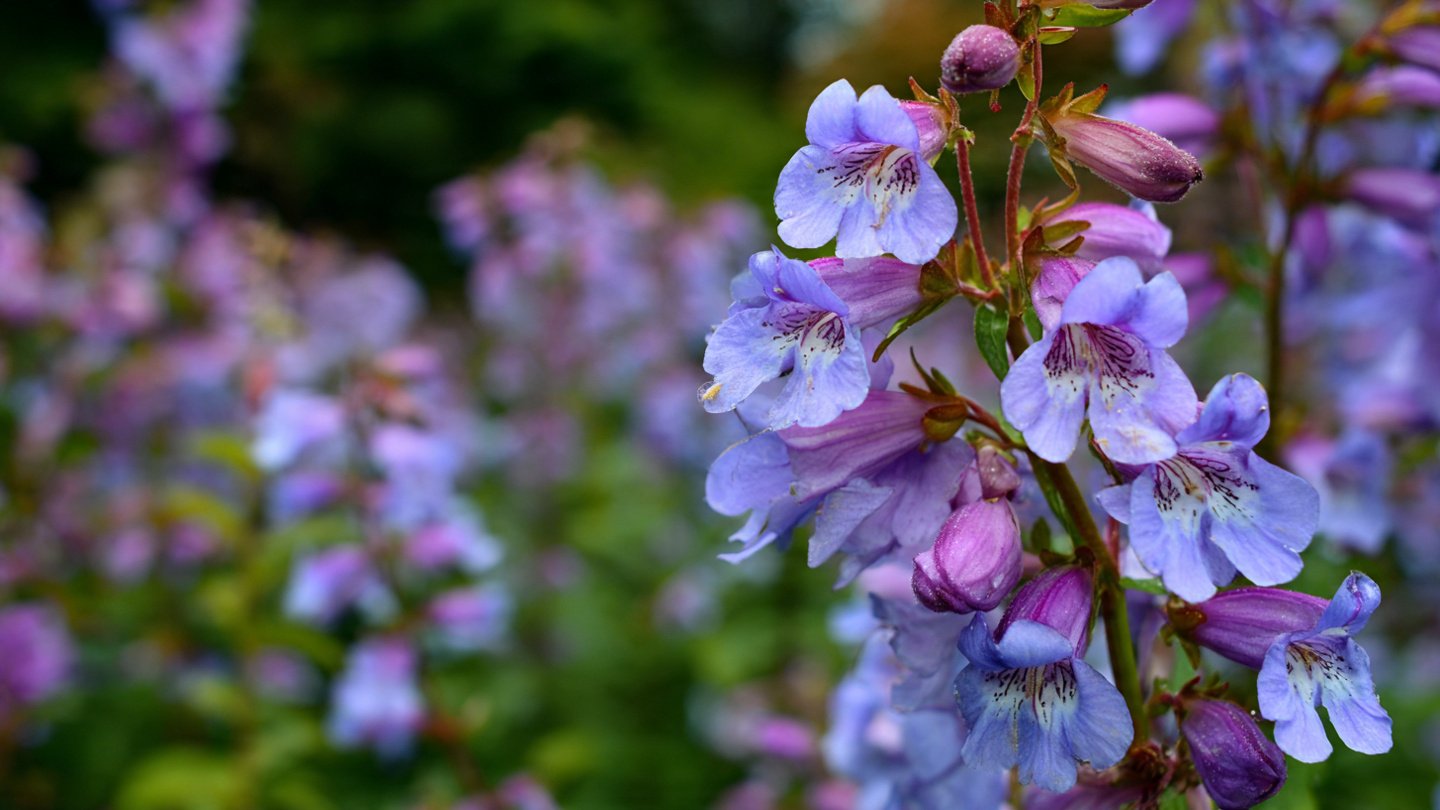
Penstemons, often called beardtongues, are stunning perennial plants known for their vibrant blooms and unique tubular flowers that attract a variety of pollinators. With their diverse species and colors, penstemons can add a stunning visual element to gardens of any size. This guide will explore everything you need to know about successfully growing penstemon in your garden—covering everything from planting and care to disease management and propagation methods.
1. Understanding Penstemon
1.1 What is Penstemon?
Penstemon belongs to the family Plantaginaceae and is native to North America. There are over 250 species, offering a diverse range of colors—from blues and purples to pinks and whites. These hardy perennials bloom from late spring to early summer, producing flowers that are not only visually striking but also serve as valuable food sources for bees, butterflies, and hummingbirds.
1.2 Types of Penstemon
Some popular species include:
- Penstemon digitalis (Beard Tongue): Known for its white flowers with a hint of purple.
- Penstemon strictus (Rocky Mountain Penstemon): Features deep blue flowers.
- Penstemon hirsutus (Hairy Beardtongue): A shorter variety, perfect for rock gardens.
2. Choosing the Right Location
2.1 Sunlight Requirements
Penstemon thrives in full sun, which means they require at least six hours of direct sunlight each day. When choosing a location for planting, observe the sun’s path in your garden throughout the day to ensure your plants will receive adequate light.
2.2 Soil Requirements

These plants prefer well-drained, sandy to loamy soils with a pH between 6.0 and 7.5. Good drainage is crucial, as penstemons do not tolerate sitting in waterlogged conditions. If your garden soil is heavy clay, consider amending it with sand and organic matter to improve drainage.
3. Planting Penstemon
3.1 When to Plant
The best time to plant penstemon is in the spring after the last frost date or in early fall. This allows the plants to establish their root systems before facing the heat of summer or the frost of winter.
3.2 Planting Steps
-
Prepare the Soil: Work the soil to a depth of at least 12 inches and mix in compost or well-rotted manure to enhance fertility.
-
Dig Holes: Dig holes that are slightly larger than the root balls of your penstemon plants, spacing them roughly 12 to 18 inches apart.
-
Place the Plants: Remove the plants from their containers and loosen the root ball gently. Place them in the holes, ensuring the crown of the plant is level with the soil surface.
-
Backfill and Water: Fill the holes with soil, firming it gently around the base of each plant. Water thoroughly to help settle the soil around the roots.
4. Caring for Your Penstemon
4.1 Watering
While penstemon is drought-tolerant once established, young plants need regular watering. Ensure the soil remains moist but not soggy. As the plants mature, reduce watering frequency, allowing the top layer of soil to dry out between sessions.

4.2 Fertilizing
Penstemon typically doesn’t require heavy feeding. A balanced, all-purpose fertilizer applied once in the spring will suffice. Be cautious not to over-fertilize, as this can lead to excessive foliage at the expense of flowers.
4.3 Pruning
Pruning helps enhance airflow and encourages new growth. Deadhead spent flowers regularly to promote longer blooming periods. Additionally, remove any dead or damaged leaves to keep the plant healthy.
4.4 Mulching
Applying a layer of mulch around your penstemons helps retain moisture and suppress weeds. Organic mulches, like shredded bark or straw, are ideal as they will decompose and add nutrients to the soil over time.
5. Managing Pests and Diseases
5.1 Common Pests
- Aphids: Small, sap-sucking insects can be managed with insecticidal soap or neem oil.
- Spider Mites: Look for webbing on leaves. Increase humidity or apply insecticidal soap to control them.
5.2 Diseases
Penstemon is generally resistant to diseases, but they can succumb to root rot if overwatered. Ensure your plants are in well-draining soil, and avoid overhead watering to minimize fungal issues.
6. Propagation Methods

6.1 Seed Propagation
-
Collect Seeds: After flowering, collect seeds from mature plants.
-
Sow Indoors: Start seeds indoors 6 to 8 weeks before the last frost. Use a seed-starting mix and keep moisture levels steady.
-
Transplanting: Once seedlings are strong enough and after the danger of frost has passed, they can be transplanted outdoors.
6.2 Division
Penstemon can also be propagated by division every 3 to 4 years. Just carefully dig up the plant, use a sharp spade to cut through the root ball, and replant the divisions elsewhere in the garden.
7. Tips for a Thriving Penstemon Garden
-
Companion Planting: Pair penstemons with other drought-tolerant plants like lavender and salvia for a low-maintenance garden.
-
Choose Native Species: If you’re in North America, consider planting native penstemon varieties for the best survival rate and minimal care.
-
Observe for Pests: Regularly check your plants for signs of infestation. Early detection can prevent larger issues down the line.

8. Seasonal Care
8.1 Spring
Monitor your plants for new growth and check for winter damage. Prune and prepare the soil with organic matter.
8.2 Summer
Ensure adequate watering during hot spells and deadhead spent flowers to encourage more blooms.
8.3 Fall
After the first hard frost, cut back the foliage to about an inch above the ground to prevent diseases.
8.4 Winter
In colder regions, apply a light mulch to protect roots during the harsh winter months.
FAQs
1. How long do penstemon plants live?
Penstemon plants can live for several years, typically around 3 to 5 years, but with good care, some varieties may last longer.
2. Why are the leaves on my penstemon turning yellow?
Yellowing leaves may indicate overwatering or poor drainage. Ensure the soil is well-draining and adjust your watering schedule accordingly.

3. Do penstemons attract bees and butterflies?
Yes! Penstemons are excellent for attracting pollinators, particularly bees, butterflies, and hummingbirds, making them a fantastic choice for wildlife gardens.
4. Can I grow penstemon in containers?
Yes, penstemons can grow in containers, but ensure the pots have good drainage, and use a well-draining potting mix.
5. Are penstemons invasive?
While they can spread through seed, most penstemon species are not considered invasive. However, it’s good to monitor their growth in your garden.
6. When should I prune my penstemon?
Prune in late winter or early spring before new growth begins. Remove any dead or damaged wood and spent flowers to encourage new blooms.
Conclusion
Growing penstemon at home can be a rewarding experience, offering vibrant color and attracting wildlife to your garden. With their diverse range of species and low maintenance requirements, penstemons are an excellent choice for both novice and experienced gardeners. By adhering to the care guidelines outlined in this article, you will be well on your way to cultivating a thriving penstemon display in your garden! Happy gardening!