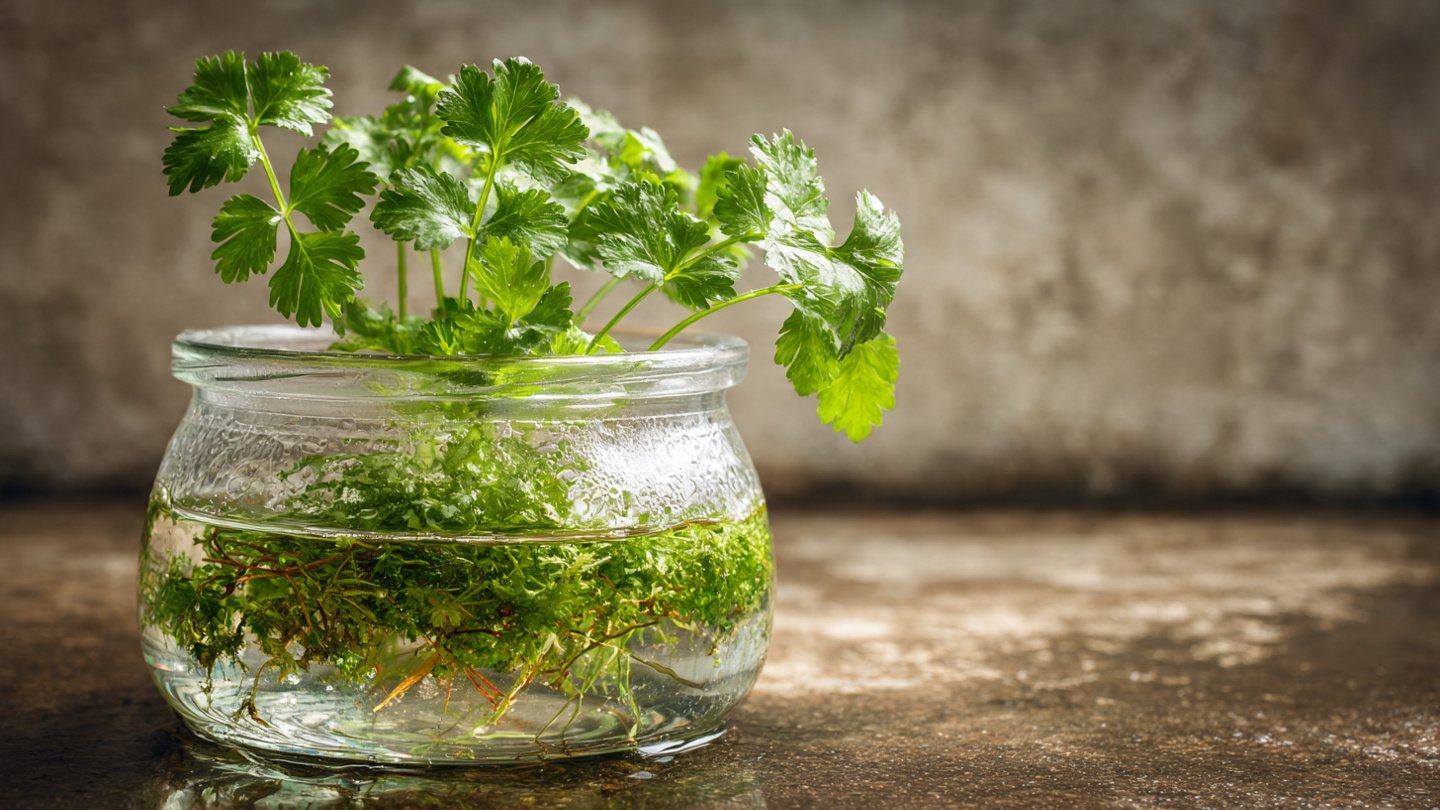
Coriander, also known as cilantro in some regions, is a versatile herb adored in culinary traditions around the globe. Whether it’s added to fresh salsas, tangy dressings, or garnished on soups, coriander’s distinctive flavor is hard to miss. While traditional soil planting is common, growing coriander in water is an innovative method that can lead to a fresh supply of this vibrant herb. This article delves into the ways to cultivate coriander in water effectively, ensuring you yield an aromatic and flavor-packed harvest.
The Advantages of Growing Coriander in Water
- Simplicity: Water cultivation is an easier and more accessible method than soil planting, making it ideal for beginners or those with limited gardening space.
- Faster Growth: With the right conditions, coriander can grow rapidly in water, providing fresh herbs for your kitchen in just a few weeks.
- Reduced Pests: Growing in water minimizes the risk of soil-borne pests and diseases, resulting in healthier plants.
- Aesthetic Appeal: A pot of vibrant coriander can enhance the decor of your kitchen or living space.
- Hyperlocal Supply: You can enjoy fresh coriander right at your fingertips, reducing trips to the store and ensuring you have it whenever you need.
Understanding Coriander
Before diving into the methods of growing coriander in water, it’s essential to understand the plant. Coriander (Coriandrum sativum) is an annual herb in the family Apiaceae. Not only do the leaves provide an exceptional flavor, but the seeds are also used as a spice. The leaves are delicate and can wilt easily, hence the need for proper care.
Coriander thrives in warm weather, ideally between 68°F and 75°F (20°C to 24°C). When grown in water, factors like light, temperature, and the quality of the water play significant roles.
The Basics of Growing Coriander in Water
Step 1: Choose the Right Seeds
Start with high-quality coriander seeds. You can find them at garden centers or online. It’s better to choose seeds that are labeled as suitable for microgreens or herbs, as these tend to grow better in shorter growth cycles.
Step 2: Soak the Seeds
Soak the coriander seeds in water for 24 hours. This process will help them swell, promoting quicker germination. After soaking, rinse the seeds thoroughly before placing them in water for growth.

Step 3: Preparing the Container
Select a container that is deep enough to support the roots. You can use glass jars, vases, or any other container that can hold water. Ensure it’s clean to prevent any bacterial growth. If it’s transparent, it allows you to monitor the root system’s growth.
Step 4: Water Quality and pH
Use clean, cold water free from chlorine and chemicals. If your tap water has high chlorine levels, consider using distilled or filtered water. Ideally, the pH of the water should be close to neutral (around 7).
Step 5: Planting the Seeds
- Placement: Place the soaked seeds at the bottom of the container, ensuring they are spaced out.
- Watering: Fill the container with enough water to submerge the seeds slightly without completely drowning them. The water level should be around 1 inch above the seeds.
Step 6: Sunlight and Temperature
Coriander prefers bright, indirect sunlight. Position your container on a windowsill or under grow lights, giving it around 6-8 hours of light daily. Maintain a warm room temperature to enhance growth.
Step 7: Monitoring Growth and Water Levels
As your coriander begins to sprout, monitor the water levels regularly. Change the water once a week to prevent stagnation and to provide the plants with fresh nutrients. If you notice any discoloration of the leaves, it could be a sign of nutrient deficiency or water quality issues.
Step 8: Harvesting
After about two to three weeks, your coriander will be ready for harvesting. Use scissors or a sharp knife to cut the leaves, ensuring you leave enough for the plant to continue growing. Harvesting will stimulate further growth, allowing for multiple yields over time.

Tips for Optimal Growth and Flavor
- Use Nutrient Solutions: Consider adding a liquid nutrient solution that’s appropriate for herbs to the water. This can help improve the flavor and overall health of the plant.
- Rotate Lighting: If you notice that your coriander is leaning towards the light source, gently rotate the container to allow for even growth.
- Avoid Overcrowding: If growing multiple plants in one container, ensure they are appropriately spaced to prevent competition for water and light.
- Watch for Pests: Although less common in water gardens, pests can still appear. Inspect your plants regularly and remove any pests you might find.
- Ensure Sufficient Ventilation: If you’re growing indoors, ensure there’s adequate air circulation to prevent mold or mildew.
The Role of Climate and Environment
While water propagation is manageable at most times, factors such as climate and environment should be carefully considered. Coriander thrives in spongy, moist conditions but can easily rot if overwatered. Observing the humidity and airflow around your plants can make a significant difference in their health and flavor.
Troubleshooting Common Problems
Yellowing Leaves
Yellow leaves can indicate a nutrient deficiency. Consider adding a nutrient solution to the water.
Slow Growth
If your coriander is growing slowly, check the light conditions. Insufficient light can be a major factor. Increasing exposure to natural or artificial light can help speed up growth.
Root Rot
If the roots appear mushy or brown, they may be suffering from root rot. Ensure you’re not overwatering and consider changing the water more frequently.
Harvesting More than Once
One of the best parts about growing coriander in water is that you can harvest multiple times. As long as you leave enough foliage on the plant, it will continue to grow following your harvest. This means you can enjoy fresh coriander without the need for replanting every cycle.

Frequently Asked Questions (FAQs)
Q1: Can I grow coriander from store-bought herbs?
Yes, you can grow coriander from store-bought herbs. Look for fresh coriander with roots intact. Place the stems in water, and they will start to produce new leaves.
Q2: Can I use tap water for growing coriander in water?
You can use tap water, but it should be chlorine-free. If your tap water is heavily chlorinated, let it sit out for 24 hours before using it, or use distilled water.
Q3: How often should I change the water?
Change the water every 5 to 7 days to maintain freshness and prevent stagnation, which can lead to unwanted bacteria.
Q4: What should I do if my coriander is growing too tall?
If your coriander grows too tall, it may be reaching for light. Ensure it’s getting enough light or consider rotating the container occasionally.
Q5: How can I enhance the flavor of my coriander?
Using high-quality seeds, maintaining ideal water conditions, and providing adequate nutrients can all enhance the flavor of your coriander. Additionally, harvesting at the right time is crucial for optimal taste.

Q6: Is it possible to grow coriander without sunlight?
Although sunlight is ideal, you can use grow lights for indoor gardening if natural light isn’t available. Ensure the plants receive adequate light for 12-16 hours a day.
Q7: What is the best time to harvest coriander?
The best time to harvest coriander is when the leaves are vibrant and well-formed—typically around 3-4 weeks post-germination. Regular harvesting can encourage new growth.
Q8: Can I use the seeds from my coriander for cooking?
Absolutely! The seeds of the coriander plant can be harvested and are often used as a spice in various culinary dishes.
Conclusion
Growing coriander in water is a rewarding and simplistic method that not only enhances your culinary endeavors but also provides a delightful indoor gardening experience. By following the steps and tips outlined in this guide, you can enjoy a bountiful supply of fresh, flavorful coriander right in your kitchen. Whether you are a budding cook or an experienced chef, this herb can add zest to your dishes while making your home a bit greener. So why not give it a try today? Happy gardening!
