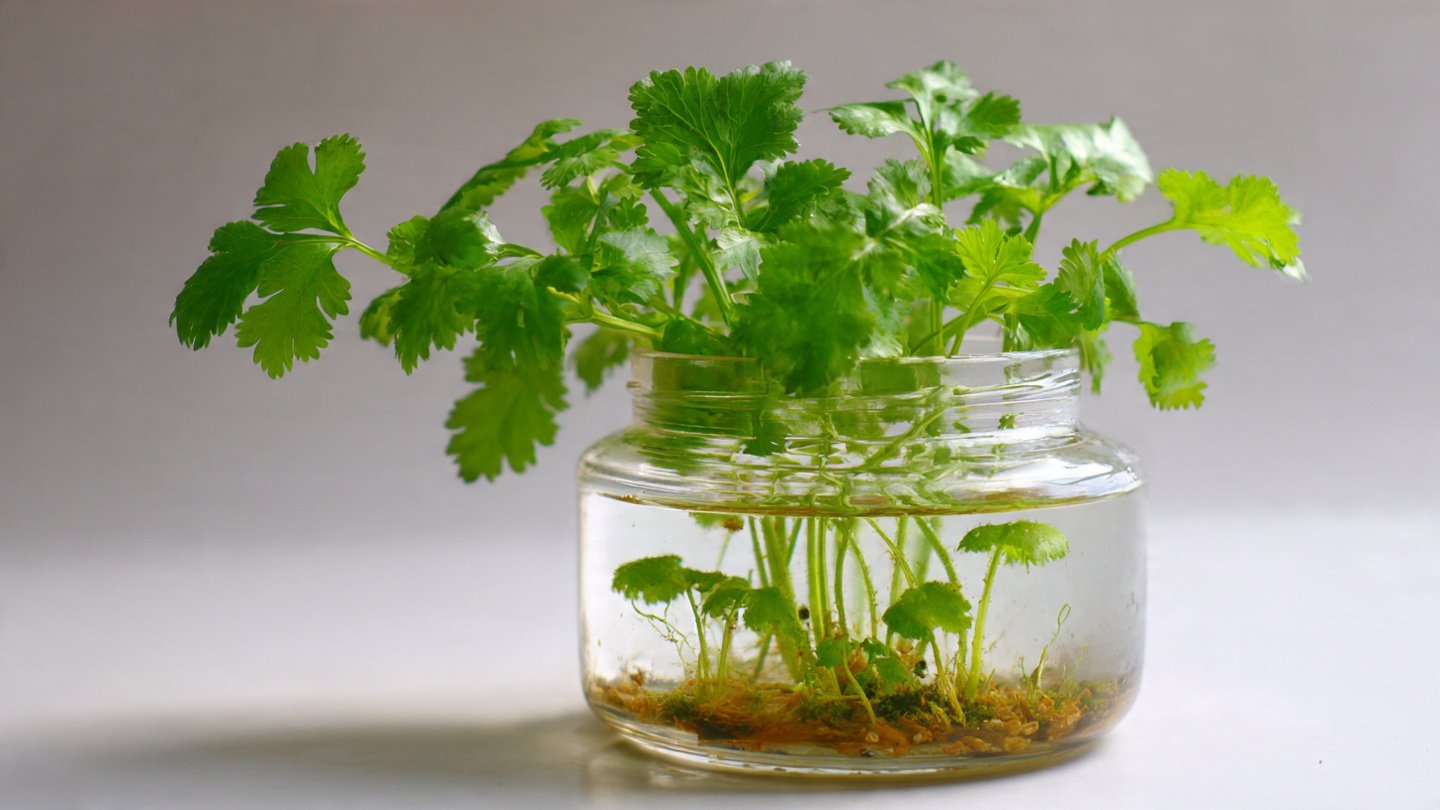
Coriander, also known as cilantro, is a versatile herb beloved in cuisines worldwide—from Thai curries to Mexican salsas. Growing coriander at home not only enhances the fresh flavor of your culinary creations but also elevates the aesthetic appeal of your living space. One of the easiest methods to cultivate this fragrant herb is by growing it in water. This article will guide you through the process, providing you with tips, benefits, and frequently asked questions to ensure your coriander thrives at home.
Why Grow Coriander?
Before diving into the specifics of how to grow coriander in water, let’s consider why you might want to embark on this herbal adventure:
- Freshness: Homegrown coriander means you have a constant supply of fresh leaves to use in your cooking.
- Nutritional Value: Coriander is packed with vitamins A, C, and K, making it a nutrient-dense addition to your meals.
- Aesthetic Appeal: A pot of fresh herbs on your kitchen counter adds beauty and life to your cooking space.
- Cost-Effective: Growing your own herbs can significantly reduce grocery bills over time, especially with herbs like coriander that are often sold in small, expensive bunches.
The Easy Method to Grow Coriander in Water
Growing coriander in water is not only simple but also an effective way to propagate this herb without soil. Here’s a step-by-step guide to get you started:

What You Will Need
- Fresh coriander stems with roots (you can buy these from a grocery store or farmer’s market)
- A clear glass or jar
- Fresh water
- A sunny spot (like a windowsill)
Step-by-Step Instructions
Step 1: Choose the Right Stems
Purchase fresh coriander with healthy stems and roots. Look for bunches that are vibrant green without wilting or brown spots. Cut several stems, each about 4-6 inches long, and ensure they have a few leaves and roots.
Step 2: Prepare the Container
Select a clear glass jar or container that can hold water but is also decorative enough to keep on your kitchen counter. Clean the container thoroughly to remove any residue that may affect the growth of the plant.
Step 3: Add Water
Fill the glass with fresh, clean water, leaving a few inches of space at the top to prevent overflow. Ensure the roots of the coriander stems are fully submerged.
Step 4: Place in Sunlight
Position the jar in a sunny spot where it can receive at least 6 hours of sunlight daily. A south-facing windowsill is often ideal for herbs like coriander, but ensure that the stems do not get too hot or dry out.
Step 5: Change the Water Regularly
To keep the water fresh and to prevent the growth of bacteria, change the water every 3-4 days. This will ensure your coriander stems stay healthy and promote root development.
Step 6: Watch It Grow
In just a few days, you will begin to see new growth as your coriander develops additional roots and leaves. Within a couple of weeks, you can start snipping small amounts for culinary use. Always remember to leave enough leaves on the plant for continued growth.
Caring for Your Coriander
While growing coriander in water is fairly low-maintenance, here are a few tips to keep your plant thriving:
- Light: Ensure your coriander gets plenty of light. If natural sunlight is limited, consider using a grow light.
- Temperature: Keep the jar in a stable environment between 60°F to 75°F (15°C to 24°C). Avoid placing the plant in drafty areas or near heating vents.
- Fertilization: Though it’s not necessary, adding a liquid fertilizer every 2-4 weeks can boost growth. Choose a balanced fertilizer and dilute according to the instructions.
- Trimming: Regularly pinch off the leaves for use in cooking. This encourages the plant to produce more leaves instead of going to seed.
Benefits of Growing Coriander in Water
Growing coriander in water offers several advantages beyond just simplicity:
- No Soil Mess: For those who don’t have space for pots or the desire to manage soil, water-growing eliminates that fuss.
- Visibility: Using a clear container allows you to observe the root development, which can be fascinating.
- Recycling: You can even regrow store-bought herbs destined for the trash, making this a sustainable choice.
Common Challenges and How to Overcome Them
- Dying Leaves: If your coriander starts to wilt or turn yellow, it may indicate that it’s receiving too much sunlight or not enough water. Adjust the conditions accordingly.
- Root Rot: Stagnant water can lead to root rot. Ensure you change the water regularly and avoid over-filling the jar.
- Pests: While less common in water, keep an eye out for small pests. If you notice any, spritz the plant with a mixture of water and mild soap.
Frequently Asked Questions
1. How long does it take for coriander to grow in water?
Typically, you will see roots developing within a week, and you can start harvesting leaves within 2-3 weeks.
2. Can I grow coriander in soil as well?
Absolutely! Coriander can thrive in both soil and water. Growing in soil often allows for more vigorous growth, so consider transferring your water-grown coriander into a pot later if desired.
3. How can I store fresh coriander?
Coriander can be stored in the refrigerator wrapped in a damp paper towel and placed in a plastic bag. It can also be chopped and frozen in ice cube trays for longer preservation.
4. How often should I water my coriander?
If growing in water, change the water every 3-4 days to keep it fresh. For soil-grown coriander, water when the top inch of soil feels dry.
5. What should I do if my coriander goes to seed?
If your coriander flowers and sets seeds, it’s indicating it’s ready to bolt, which can happen when temperatures rise. Snip the flowers to redirect energy back to leaf growth, or allow it to flower for seeds if you prefer.
Conclusion
Growing coriander in water is a fulfilling and simple way to cultivate this flavorful herb in the comfort of your home. With minimal effort and the right conditions, you can have a fresh supply of coriander year-round, enhancing your culinary experiences and beautifying your kitchen. Whether you’re a novice gardener or a culinary enthusiast, this method is perfect for anyone looking to enjoy the pleasures of homegrown herbs. So gather those fresh stems, find a cute jar, and start your coriander-growing journey today!