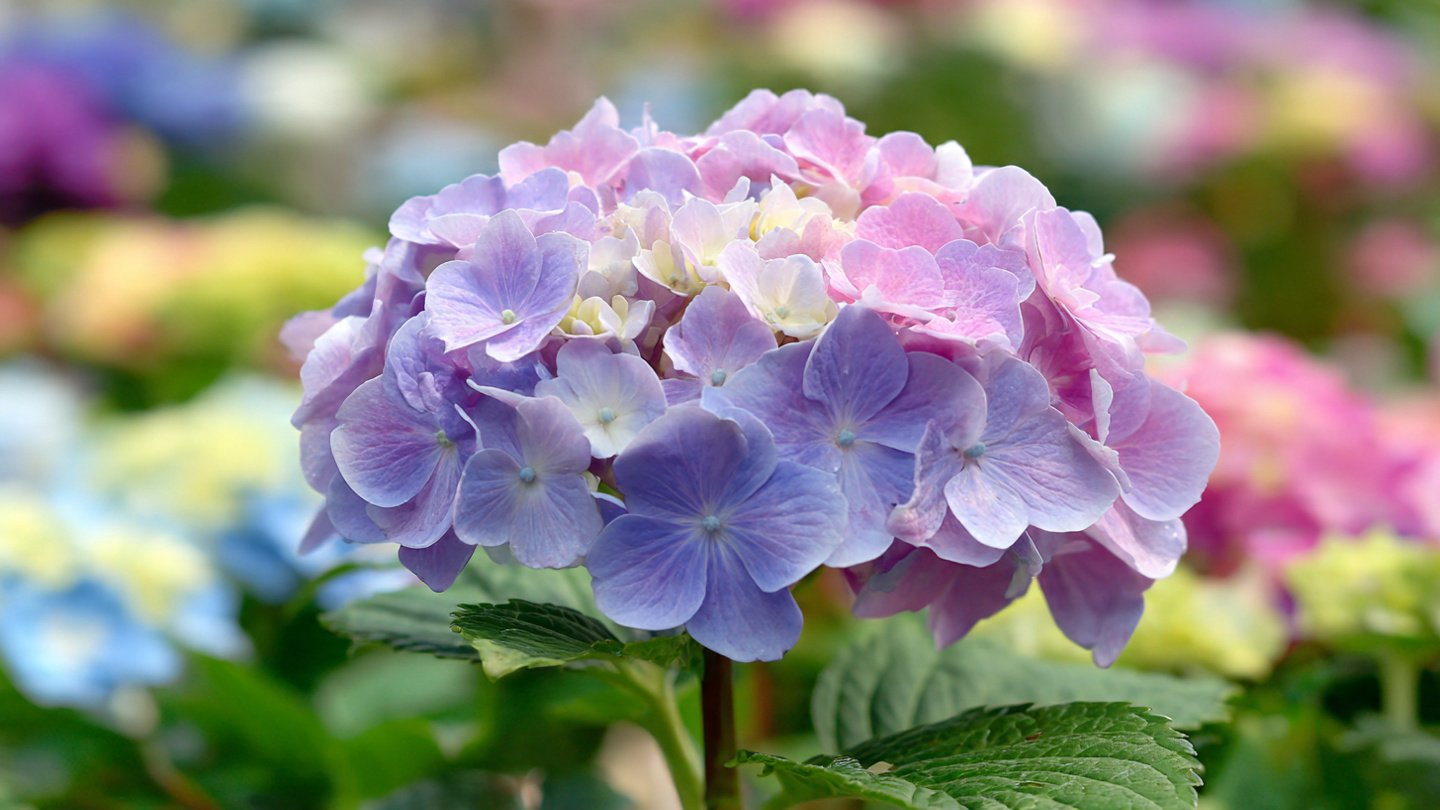
Hydrangeas have long been cherished for their fluffy blooms and lush foliage. They add a splash of color to gardens, thrive in various conditions, and require relatively low maintenance. Whether you’re a seasoned gardener or just starting, this guide will walk you through everything you need to know to grow stunning hydrangeas.
Understanding Hydrangeas
Hydrangeas belong to the Hydrangeaceae family and are native to North America and Asia. They come in several varieties, each with its own unique characteristics, growth habits, and flower colors. The most popular types include:
- Hydrangea macrophylla (Bigleaf Hydrangea): Known for its large, round flower clusters that can be pink, blue, or purple, depending on the soil pH.
- Hydrangea paniculata (Panicle Hydrangea): Features conical flower clusters that bloom in summer and can be white, pink, or red.
- Hydrangea arborescens (Smooth Hydrangea): Often smaller and bushier, with white or greenish flowers that thrive in shady environments.
- Hydrangea quercifolia (Oakleaf Hydrangea): Named for its oak-shaped leaves, it produces white flowers that turn pink as they age.
Choosing the Right Location
Hydrangeas prefer a location that combines sun and shade. Here’s how to find the best spot:
- Light Requirements: Most hydrangeas thrive in partial sunlight. Morning sun with afternoon shade is ideal, especially in hot climates.
- Soil Type: Hydrangeas prefer moist, well-draining soil rich in organic matter. A pH level between 5.5 and 6.5 is ideal for blue hydrangeas, while pink ones prefer more alkaline soil.
- Space: Ensure there’s enough space for the plant to grow. Most hydrangeas can grow quite large, so plan for at least 3 to 10 feet between plants, depending on the variety.
Preparing the Soil
Before planting, it’s crucial to prepare the soil:

- Testing pH: Use a soil test kit to determine the acidity or alkalinity of your soil. Blue hydrangeas thrive in acidic soil (pH below 6), while pink hydrangeas prefer alkaline soil (pH above 7). You can adjust the pH using sulfur (to lower) or lime (to raise).
- Soil Amendment: Improve soil quality by mixing in well-rotted compost or peat moss. This not only enhances fertility but also helps retain moisture.
Planting Hydrangeas
When planting hydrangeas, timing and technique are critical:
- Best Time to Plant: The ideal time to plant hydrangeas is in the spring or fall when temperatures are moderate.
- Digging the Hole: Dig a hole that is twice as wide as the root ball and just as deep. This encourages healthy root growth.
- Placement: Place the hydrangea in the hole, ensuring that the top of the root ball is level with the soil surface. Backfill with soil and water well.
Watering Hydrangeas
Proper watering is essential for healthy hydrangeas:
- Frequency: Hydrangeas prefer consistently moist soil. Water them at least once a week, or more during hot, dry periods.
- Method: Water deeply at the base of the plant rather than from above to prevent fungal diseases.
- Mulching: Apply a layer of organic mulch around the base to retain moisture and suppress weeds.
Fertilizing Hydrangeas
A well-fed hydrangea is a happy hydrangea:
- Types of Fertilizers: Use a balanced, slow-release fertilizer specifically designed for flowering plants. Look for one with a ratio of 10-10-10 or similar.
- Timing: Fertilize in early spring as new growth appears. Reapply every 4 to 6 weeks during the growing season.
- Organic Options: Compost, fish emulsion, or well-rotted manure can also be excellent organic fertilizers.
Pruning Hydrangeas
Pruning is essential for maintaining the shape and encouraging blooming:

- Types of Hydrangeas and Pruning Methods:
- Hydrangea macrophylla: Prune lightly in fall or winter, removing only dead or weak stems.
- Hydrangea paniculata: Prune in late winter or early spring before new growth begins.
- Hydrangea arborescens: Cut back to the ground in early spring for fuller blooms.
- Hydrangea quercifolia: Lightly prune immediately after flowering for shape.
- Deadheading: Remove spent flowers after they fade to encourage new growth.
Pest and Disease Management
Hydrangeas can sometimes attract pests and diseases, but proper care can mitigate risks:
- Common Pests: Watch for aphids, spider mites, and scale insects. Insecticidal soap or neem oil can help manage these pests.
- Diseases: Root rot and powdery mildew are common issues. Avoid overhead watering, ensure good air circulation, and use well-draining soil to prevent these problems.
Winter Care
To protect hydrangeas from winter’s chill, follow these steps:
- Mulching: Apply mulch around the base of the plant to insulate the roots.
- Covering: For more delicate varieties, cover with burlap or frost cloth during extreme cold snaps.
- Pruning: Avoid heavy pruning in late fall, as this can remove buds that will bloom in spring.
Color Manipulation
One of the fascinating aspects of hydrangeas is that you can change their bloom color through soil management.
- To achieve blue flowers, lower the soil pH by adding aluminum sulfate.
- For pink flowers, increase soil alkalinity through lime and potassium.
Creating Aesthetic Arrangements
Once your hydrangeas bloom, there are many ways to enjoy their beauty:

- Garden Borders: Use them as colorful borders in your garden landscape.
- Cut Flowers: Hydrangeas make excellent cut flowers. Harvest them when they’re in full bloom and place them in water for a stunning indoor display.
- Container Gardening: These plants also thrive in pots. Choose a container with good drainage to keep the soil moist.
Conclusion
Growing hydrangeas can elevate the aesthetics of your garden, adding lushness and vibrancy. By understanding their specific needs regarding sunlight, soil, water, and care, you can cultivate stunning blooms year after year. Whether you prefer the classic bigleaf hydrangeas or the more exotic varieties, these captivating plants can transform any outdoor space into a floral wonderland.
FAQs
How do I know what type of hydrangea I have?
Look at the flower shape, leaf shape, and growth habit. Research or consult a local garden center for specific identification.
When do hydrangeas bloom?
Blooming times vary by type, but most hydrangeas bloom from late spring to early fall.
Can I grow hydrangeas in pots?
Absolutely! Make sure to choose a large enough container with drainage holes and provide adequate water.

Why are my hydrangeas not blooming?
Possible reasons include improper pruning, lack of sunlight, or nutrient deficiencies. Assess each factor to identify the issue.
How often should I water my hydrangeas?
Water at least once a week, more during dry spells. Ensure the soil is consistently moist but not overly saturated.
What common problems do hydrangeas face?
They can suffer from pests like aphids and diseases such as powdery mildew. Proper care and maintenance will help minimize these issues.
