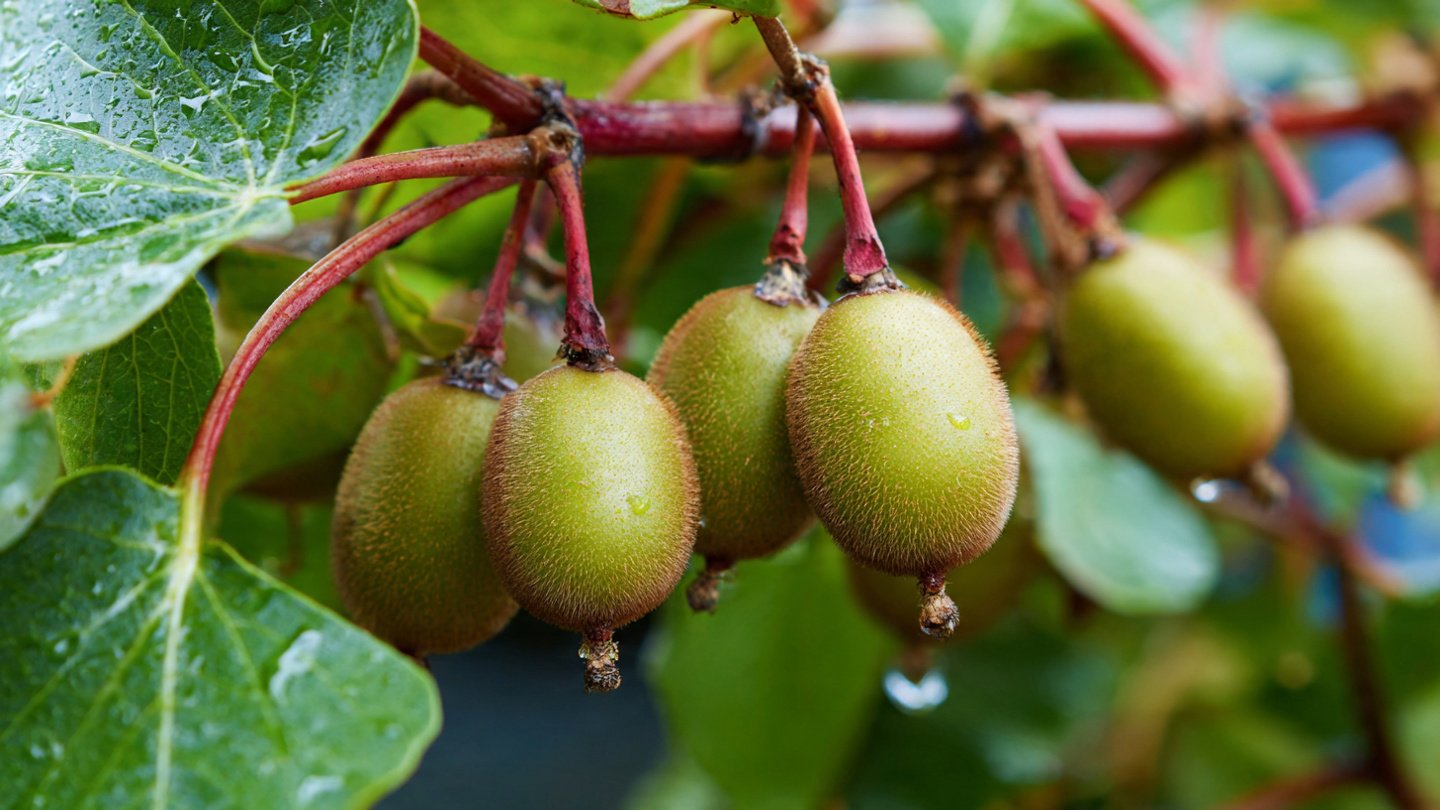
Kiwi berries, also known as hardy kiwis or baby kiwis, are a delightful fruit that packs a punch in terms of flavor and nutrition. With their small size and smooth, edible skin, they are perfect for snacking and can be a wonderful addition to your home garden. This guide will take you through everything you need to know to successfully grow kiwi berries in your own backyard.
Understanding Kiwi Berries
What are Kiwi Berries?
Kiwi berries (Actinidia arguta) are small fruits that resemble miniature kiwis. They are typically smaller than grapes and are sweet, with a flavor profile similar to that of traditional kiwis. One of the notable aspects of kiwi berries is that their skins are smooth and edible, eliminating the need for peeling.
Growth Habits
Kiwi berry plants are vigorous, deciduous vines that can grow up to 20 feet long. They thrive in well-draining soil and enjoy plenty of sunlight. The plants are dioecious, meaning that both male and female plants are necessary for pollination and fruit production. Female plants produce the fruit, while male plants provide the pollen.

Choosing the Right Variety
When planning to grow kiwi berries, selecting the right variety is crucial. Here are a few popular choices:
- Hardy Kiwi (A. arguta): This is the most common variety grown in home gardens. It is cold-hardy and can withstand temperatures down to -25°F (-32°C).
- Arctic Kiwi (A. kolomikta): This variety offers beautiful variegated foliage and is also cold-hardy. The fruits are smaller, but the plants are attractive in landscaping.
- Ananasnaya: Ananasnaya is a popular variety known for its exceptional flavor and high yield. It’s a great choice for beginners due to its adaptability.
Selecting Male and Female Plants
For effective pollination, it’s recommended to plant one male plant for every 3-4 female plants. Keep in mind that male plants may not produce fruit, but they are essential for the pollination process.
Site Selection and Soil Preparation
Sunlight and Space
Kiwi berry vines thrive in locations that receive at least 6-8 hours of sunlight each day. They prefer a sunny spot that’s sheltered from harsh winds. When planning your garden layout, consider allowing enough space for the vines to spread. A trellis is often a great addition, providing support and enhancing air circulation.
Soil Requirements

Kiwi berries prefer loamy, well-draining soil that is rich in organic matter. The ideal soil pH for kiwi berries is slightly acidic, ranging from 5.5 to 7.0. Before planting, test your soil and amend it as needed with compost or organic matter to enhance fertility and drainage.
Planting Kiwi Berries
Best Time to Plant
The best time to plant kiwi berries is in the spring after the last frost, or in the fall for milder climates. In colder regions, spring planting is often recommended.
Planting Process
- Digging the Hole: Create a hole that is twice as wide as the root ball and the same depth.
- Amending the Soil: Mix the native soil with compost or well-rotted manure for added nutrients.
- Planting the Vine: Place the plant in the hole, ensuring that the crown is level with the soil surface. Backfill with soil and water thoroughly.
- Mulching: Apply a layer of mulch around the base to retain moisture and suppress weeds.
Caring for Kiwi Berry Plants
Watering
Kiwi berries require consistent moisture, especially during the growing season. Water the plants deeply once a week or more frequently during hot, dry spells. Avoid allowing the soil to become waterlogged, as this can lead to root rot.

Fertilizing
Feed your kiwi berry vines with a balanced fertilizer in early spring just as new growth begins. A slow-release fertilizer or compost is a good option, providing a steady supply of nutrients.
Pruning
Pruning is essential for maintaining healthy kiwi berry vines and improving fruit production. It’s best to prune in late winter or early spring when the plants are dormant. Remove any dead or crossing branches and thin the vine to improve airflow. This also concentrates the plant’s energy on fruit production.
Pest and Disease Control
Kiwi berries are relatively pest-resistant, but keep an eye out for common issues like aphids and spider mites. Natural predators, such as ladybugs, can help control these pests. Fungal diseases can be mitigated through proper airflow and watering practices.
Harvesting Kiwi Berries
Kiwi berries typically ripen in late summer to early fall, depending on the variety and climate conditions. The fruit will change color when ripe, and it may feel slightly soft to the touch. It is essential to harvest the fruit when it is fully ripe, as they do not continue to ripen after being picked.
How to Harvest
- Gently Twist: Use your fingers to gently twist the kiwi berries off the vine.
- Handle with Care: Kiwi berries can bruise easily, so handle them carefully and place them gently in your harvesting basket.
Storing Kiwi Berries
Kiwi berries can be stored at room temperature for a few days or placed in the refrigerator to extend their shelf life. When refrigerated, they can last for up to two weeks. They can also be frozen, but this may change their texture, so it’s best to consume them fresh when possible.

FAQs
1. How cold-hardy are kiwi berries?
Kiwi berries are quite cold-hardy, with some varieties able to withstand temperatures as low as -25°F (-32°C).
2. Can I grow kiwi berries in containers?
Yes, kiwi berries can be grown in large containers. Ensure the container has good drainage and use a nutrient-rich potting mix.
3. How long does it take for kiwi berry plants to produce fruit?
It typically takes 3 to 5 years for kiwi berry plants to start producing fruit.
4. Do kiwi berries self-pollinate?
No, kiwi berries require both male and female plants for successful pollination, as they are dioecious.
5. What pests should I watch for?
Common pests include aphids, spider mites, and fruit flies. Regular monitoring and natural pest control measures can help manage these issues.

6. Are kiwi berries prone to any diseases?
Kiwi berries can be susceptible to root rot if overwatered and to fungal diseases if air circulation is poor. Proper care and regular monitoring can prevent such issues.
7. Can I eat the skin of kiwi berries?
Yes, the skin of kiwi berries is smooth and edible, making them a convenient snack.
Conclusion
Growing kiwi berries in your home garden can be a rewarding endeavor. With the right care, proper planting techniques, and attention to pests and diseases, you can enjoy a bountiful harvest of these delicious fruits. Armed with this complete guide, you’re well on your way to becoming a successful kiwi berry grower. So grab your gardening tools, and get started on this fruitful journey!