Introduction
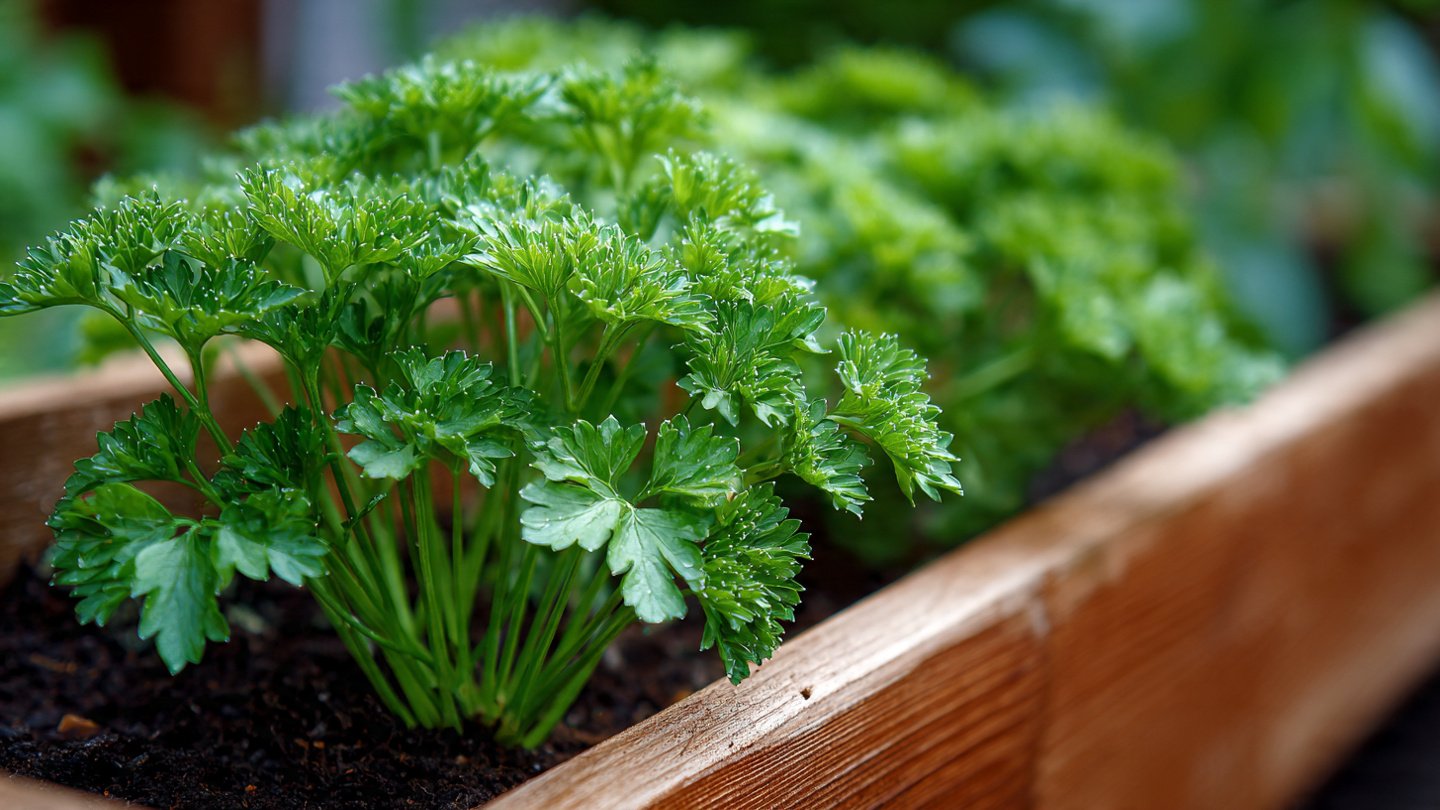
Parsley (Petroselinum crispum) is one of the most popular culinary herbs worldwide. With its bright green leaves and delightful aroma, parsley not only enhances the flavor of dishes but also adds a decorative touch. Growing parsley from seeds at home is a rewarding and straightforward process, making it an ideal project for both novice and experienced gardeners. This article serves as your easy guide to successfully cultivating parsley from seeds at home.
Why Grow Parsley?
Culinary Uses
Parsley is famed for its versatility. It’s commonly used in salads, soups, sauces, and as a garnish. There are numerous types of parsley, but the most popular varieties are:
- Curly Parsley: Known for its tightly curled leaves, it’s often used as a garnish.
- Flat-leaf Parsley (Italian Parsley): Favored by chefs for its strong flavor, it’s considered more aromatic.
Nutritional Benefits
Beyond its culinary uses, parsley is packed with vitamins A, C, and K. It’s also rich in antioxidants and has been linked to various health benefits, including improved digestion and reduced risk of chronic diseases.
Aesthetic Appeal
Aside from its culinary allure, parsley can enhance the aesthetic value of your garden and make a refreshing addition to your kitchen window.
What You’ll Need
Seeds
Choose high-quality parsley seeds. Look for reputable brands or local suppliers to ensure good germination rates.

Soil
A well-draining, nutrient-rich potting mix is ideal. You can create your own by combining garden soil, compost, and perlite or sand.
Containers
Containers should have good drainage. If you’re using pots, ensure they are at least 6-12 inches deep to allow root growth.
Watering Can & Spray Bottle
Keep your parsley moist but not waterlogged. A watering can helps for pots, while a spray bottle is useful for gentle misting.
Light Source
Parsley requires at least 6 hours of sunlight per day. If growing indoors, consider using grow lights.
Location
Find a suitable spot that receives ample sunlight, whether it’s a windowsill, balcony, or garden bed.
Step-by-Step Guide to Growing Parsley from Seeds
1. Prepare Your Seeds
Parsley seeds have a hard outer coating that can inhibit germination. To enhance germination, soak the seeds in water for 24 hours before planting. This helps to soften the seed coat.

2. Choose Your Planting Time
Parsley can be sown outdoors in early spring or late summer for a fall harvest. If you’re growing parsley indoors, you can plant seeds year-round.
3. Planting the Seeds
Indoor Planting
- Fill the Container: Use a nutrient-rich potting mix and fill the container to about an inch from the top.
- Moisten the Soil: Water lightly to ensure the soil is moist but not soggy.
- Sow Seeds: Sprinkle the seeds on the surface. Cover them lightly with soil (about ¼ inch deep) and gently pat down.
- Label: If planting multiple herbs, label your containers for easy identification.
Outdoor Planting
- Choose the Right Spot: Select a sunny spot that receives at least 6 hours of sunlight.
- Prepare the Soil: Loosen the soil and mix in compost to improve fertility.
- Make Furrows: Create shallow furrows with a depth of ¼ inch.
- Sow Seeds: Place the seeds in the furrows with a spacing of about 6 inches apart.
- Cover and Water: Cover the seeds lightly with soil and water gently.
4. Watering Techniques
After planting, water your parsley seeds gently to prevent washing them away. Keep the soil consistently moist, especially during germination, which can take 2 to 4 weeks.

5. Thinning Seedlings
Once your seedlings emerge and reach about 2-3 inches tall, thin them out to prevent overcrowding. Keep the healthiest seedlings, allowing about 6 inches of space between them for optimal growth.
6. Fertilizing
Use a balanced, organic fertilizer once a month to promote healthy growth. Be cautious not to over-fertilize, as parsley prefers a balanced nutrient intake.
7. Sunlight and Temperature
Parsley thrives in temperatures between 60°F and 70°F (15°C and 21°C). If growing indoors, rotate the pots periodically to ensure even light exposure.
8. Pest Control and Diseases
Keep an eye out for pests such as aphids and spider mites. Use insecticidal soap or neem oil as a natural remedy. Good air circulation and avoiding water on the leaves can help prevent diseases like mildew.
9. Harvesting
Parsley is ready for harvest when the leaves are lush and green, usually around 2-3 months after planting. To harvest, snip off the outer leaves just above the base, allowing the inner leaves to continue growing. Regular harvest encourages bushier growth.
10. Storing Parsley
Store fresh parsley in a sealed bag in the refrigerator for up to a week. Alternatively, you can chop and freeze the leaves in ice cube trays for longer storage.
Troubleshooting Common Issues
Poor Germination

- Cause: Seeds may not have been soaked, or conditions may not be optimal (temperature, moisture).
- Solution: Ensure seeds are soaked and monitor germination conditions closely.
Yellowing Leaves
- Cause: Over or under-watering, or nutrient deficiency.
- Solution: Adjust your watering techniques and consider fertilizing if necessary.
Wilting Plants
- Cause: Underwatering or extreme heat.
- Solution: Check soil moisture and adjust your watering schedule accordingly.
Pests
- Cause: Aphids or spider mites often plague parsley.
- Solution: Use insecticidal soap or neem oil to deter pests.
FAQs
1. How long do parsley seeds take to germinate?
Parsley seeds typically take about 2 to 4 weeks to germinate, depending on the environmental conditions.
2. Can I grow parsley indoors?

Yes, parsley can be successfully grown indoors as long as it receives adequate sunlight, ideally around 6 hours a day.
3. How often should I water parsley?
Water parsley when the top inch of soil feels dry to the touch. Be cautious of overwatering, as parsley prefers consistently moist but not soggy conditions.
4. What is the best time to plant parsley seeds?
The best time to plant parsley seeds outdoors is in early spring or late summer. If growing indoors, seeds can be planted year-round.
5. How can I prevent pests from damaging my parsley?
Maintain good hygiene around your plants, use insecticidal soap or neem oil, and ensure good air circulation to deter pests like aphids and spider mites.
6. Can parsley survive winter?
Parsley is a biennial plant and can survive light frost conditions. In colder climates, consider bringing indoor pots inside during extreme weather.
7. How do I know when to harvest my parsley?
Parsley is ready to harvest when the leaves are vibrant, lush, and about 6-8 inches tall. Always harvest from the outside leaves to promote further growth.
Conclusion
Growing parsley from seeds at home is a straightforward and gratifying endeavor. With the right preparation, a bit of patience, and care, you can cultivate a plentiful herb that enhances your culinary creations and beautifies your space. Whether you’re a novice or an experienced gardener, following this easy guide will set you on the path to successfully growing parsley from seeds at home. Happy gardening!