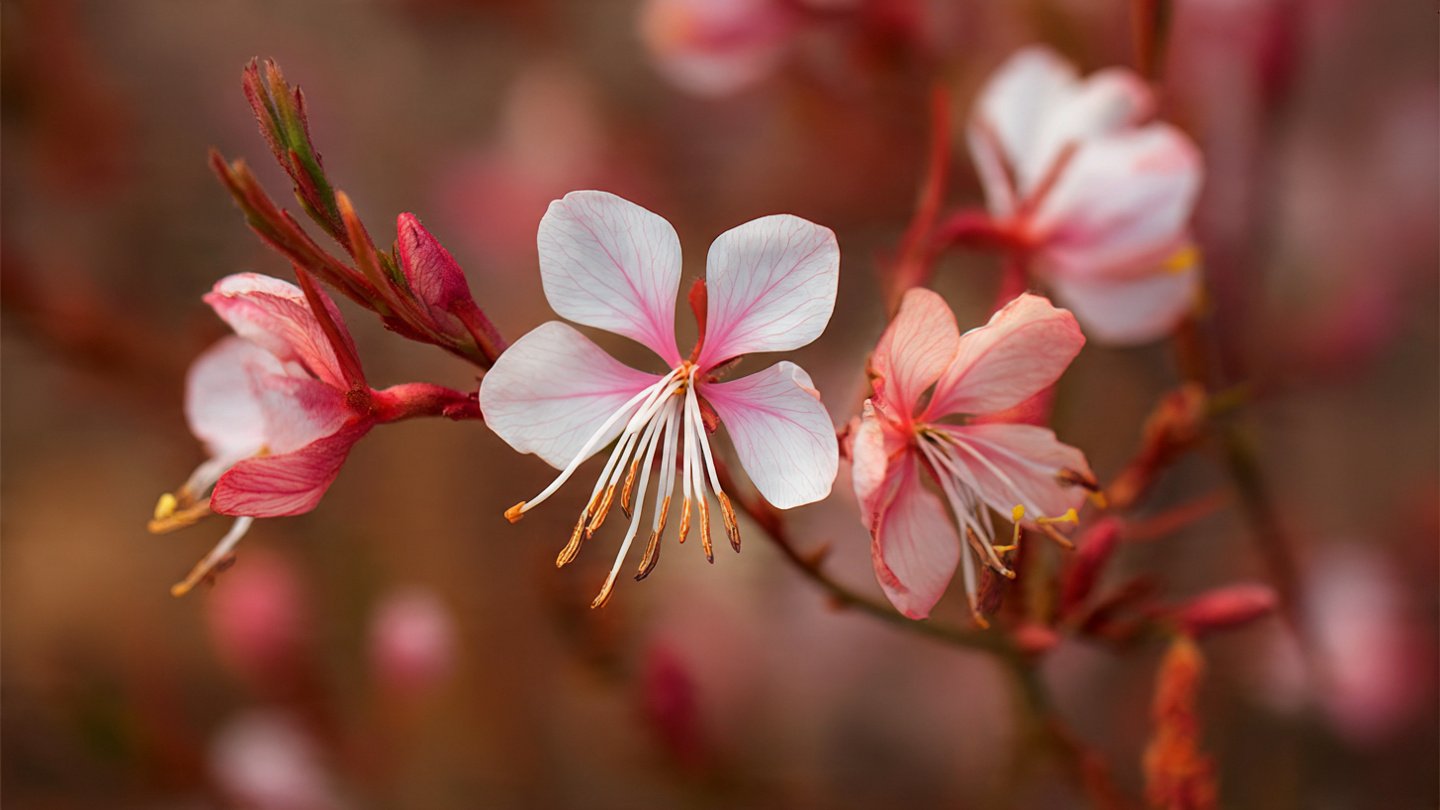
If you’re looking for a unique and stunning addition to your garden, the Gaura butterfly flower (Gaura lindheimeri) is an excellent choice. Known for its delicate, butterfly-like blooms that dance in the wind, this perennial plant adds a touch of elegance and charm to any landscape. Whether you’re a seasoned gardener or a beginner, here’s a comprehensive guide on successfully growing Gaura in your garden, complete with FAQs to assist you further.
Introduction to Gaura Butterfly Flower
Native to North America, particularly Texas and Louisiana, Gaura is a drought-tolerant perennial that blooms from late spring to fall, producing delicate white or pink flowers atop slender stems. This plant typically grows to a height of 2-4 feet, making it an ideal choice for borders, flower beds, and even container gardening. Its airy, graceful structure complements a variety of garden styles, from cottage gardens to modern landscapes.
Benefits of Growing Gaura
- Attracts Pollinators: Gaura’s nectar-rich flowers are highly attractive to butterflies, bees, and hummingbirds, making it a great addition for promoting biodiversity in your garden.
- Hardy and Low Maintenance: Once established, Gaura is drought-resistant and requires minimal care, making it perfect for busy gardeners or those in arid climates.
- Versatile Landscaping: With its graceful blooms and long flowering period, Gaura pairs well with other perennials, ornamental grasses, and even annuals.
Essential Growing Conditions
1. Soil Requirements
Gaura thrives best in well-draining soil with a slightly acidic to neutral pH (6.0 to 7.0). Heavy, clay soils can lead to root rot, so it’s crucial to improve drainage if necessary. Consider mixing organic matter, like compost, into the soil to enrich it and promote optimal growth.
2. Sunlight
Gaura loves full sun. Aim for at least 6-8 hours of direct sunlight daily. While it can tolerate partial shade, consistent exposure to sunlight will promote more abundant blooming and prevent the plants from becoming leggy.
3. Watering
One of the great qualities of Gaura is its drought tolerance. However, during the first few months post-planting, it’s essential to keep the soil moderately moist to help establish the roots. Once established, allow the soil to dry out between watering sessions. Overwatering can lead to root rot, so always check the top inch of soil before watering.

4. Temperature and Climate
Gaura is hardy in USDA zones 5-9, thriving in warm climates with temperatures between 65°F to 80°F (18°C to 27°C). It’s quite resilient to heat but may require some protection in extremely cold winters.
Planting Tips
1. Choosing the Right Time
The best time to plant Gaura is during the spring or early fall. Late spring allows the plant to establish itself before the heat of summer, while early fall enables it to grow roots before winter sets in.
2. Spacing and Layout
When planting Gaura, space the plants about 18-24 inches apart to allow for their natural spread and optimal air circulation. Consider planting in groups or clusters to create a more dramatic visual impact.
3. Transplanting
If you’re transferring Gaura from a pot to the ground, ensure you handle the plant gently to avoid damaging the roots. Dig a hole twice the width of the root ball and place the plant so that the top of the root ball is level with the surrounding soil.
Maintenance
1. Pruning
Regular pruning will keep your Gaura plants healthy and encourage new growth. Deadhead spent blooms to promote continuous flowering and consider cutting back the plants to about 6 inches in late fall to prepare them for winter.

2. Fertilization
Use a balanced, slow-release fertilizer once in the spring to kickstart growth. Avoid over-fertilizing as this can lead to excessive leafy growth at the expense of blooms.
3. Mulching
Applying a layer of organic mulch around the base of the plants can help retain moisture, suppress weeds, and regulate soil temperature. However, keep mulch away from the stems to prevent rot.
Dealing with Pests and Diseases
While Gaura is relatively pest-resistant, you may occasionally encounter issues such as aphids or spider mites. Regular monitoring and occasional sprays of insecticidal soap can help manage these pests.
As for diseases, the main concern is root rot, typically caused by overwatering or poor drainage. Always ensure that your plant has proper soil drainage.
Encouraging Blooms
To encourage profuse blooming, you can follow these tips:

- Deadheading: Remove spent flowers regularly to stimulate new blooms.
- Regular Watering: Ensure consistent moisture, especially during the blooming season.
- Balanced Fertilizer: A balanced fertilizer can help support flowering but avoid excessive nitrogen.
Companion Planting
Gaura pairs beautifully with various plants, including:
- Ornamental Grasses: The airy texture of Gaura complements grasses like fountain grass or blue fescue.
- Drought-Tolerant Plants: Pair them with other succulents and drought-tolerant perennials such as lavender or salvia.
- Annuals: For added color in summer, consider planting annuals like petunias or zinnias nearby.
Conclusion
Incorporating Gaura butterfly flowers into your garden can elevate its aesthetic appeal while attracting beneficial wildlife. With minimal maintenance, this hardy perennial thrives in various conditions and rewards you with enchanting blooms throughout the growing season. Following the tips outlined in this article will help you cultivate a vibrant, flourishing garden filled with these delightful flowers.
FAQs
1. How tall does Gaura grow?
Gaura can reach heights of 2-4 feet, depending on growing conditions.
2. Is Gaura a perennial or annual plant?
Gaura is a perennial plant, meaning it will come back year after year.
3. Can Gaura survive winter?
Yes, Gaura is hardy in USDA zones 5-9 and can survive winter with proper care.

4. How often should I water Gaura?
Water Gaura regularly during the first few months after planting. Once established, it is drought-tolerant, so allow the soil to dry between waterings.
5. What colors do Gaura flowers come in?
Gaura flowers typically come in white and pink hues, with some cultivars offering different shades.
6. Can I grow Gaura in containers?
Yes, Gaura can be successfully grown in containers, but ensure the pot has good drainage.
7. Are Gaura flowers edible?
Gaura flowers are edible and can be used for garnishing, although they are not commonly consumed.
8. What should I do if my Gaura is leggy?
If your Gaura becomes leggy, it may not be receiving enough sunlight. Consider moving it to a sunnier location.

9. How do I encourage more blooms on my Gaura?
Regular deadheading and ensuring healthy growing conditions can help stimulate more blooms.
By following these essential tips and addressing common concerns, you’ll find growing Gaura butterfly flowers a rewarding experience that enriches your garden year after year. Happy gardening!