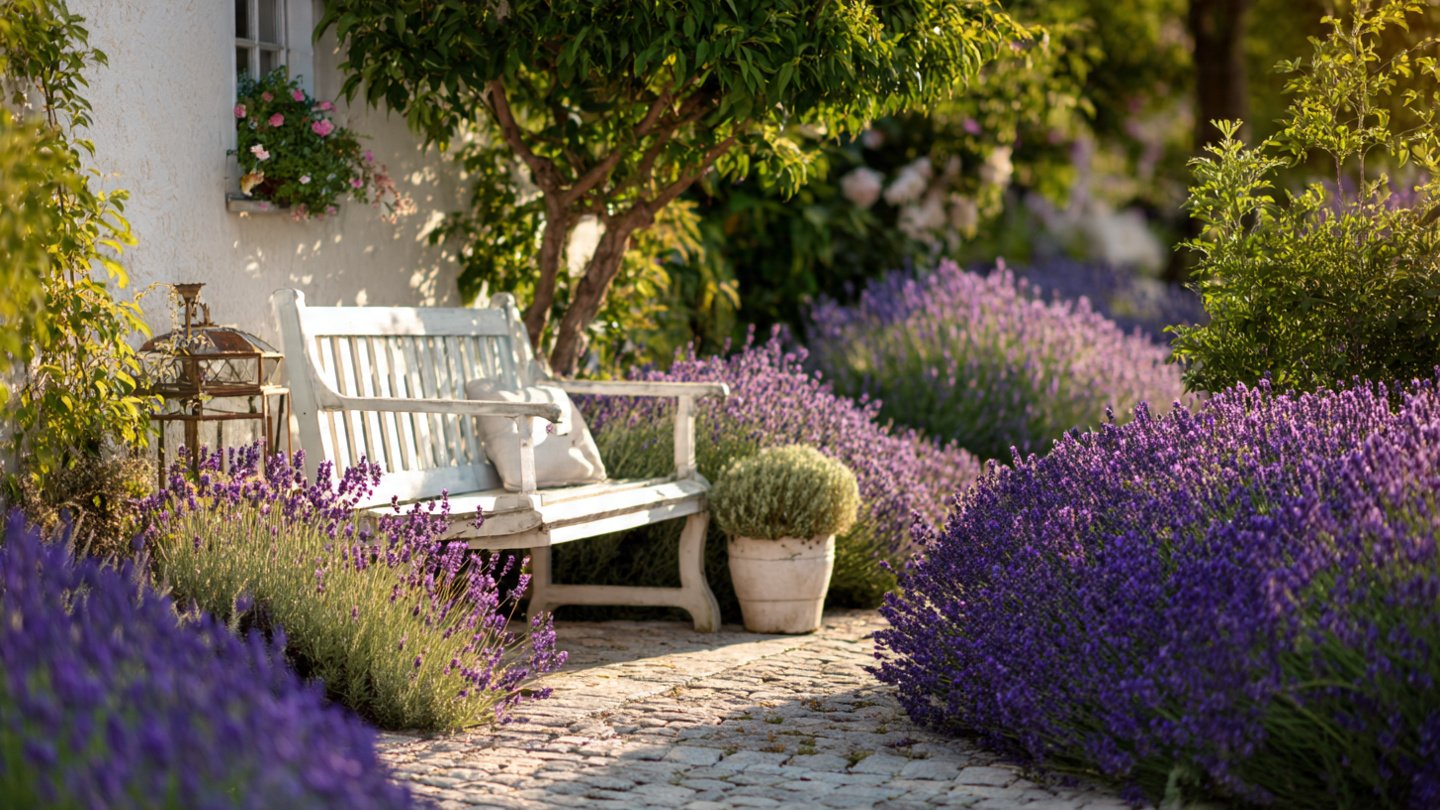
Creating a peaceful garden space can provide an oasis of relaxation in our hectic lives. When designing such a retreat, the strategic placement of plants can significantly enhance the atmosphere. One of the best choices for a calming and sensory experience is lavender (Lavandula spp.). Not only does this enchanting herb provide a beautiful aesthetic, but it also offers numerous benefits, making it an ideal companion for your garden bench. Let’s explore these advantages and learn why you should consider incorporating lavender into your garden seating area.
1. Aromatherapy Benefits
The most notable benefit of lavender is its soothing fragrance. Lavender’s essential oils are renowned for their calming properties, which can help reduce anxiety and stress levels. Just sitting by a lavender plant can provide:
- Relaxation: The scent of lavender promotes relaxation and can alleviate feelings of tension.
- Improved Sleep: Studies suggest that lavender scent can enhance sleep quality, making it an excellent addition for evening relaxation.
- Mood Enhancement: The aroma can elevate mood and create a pleasant garden atmosphere.
2. Attracting Beneficial Pollinators
In addition to sensory benefits, planting lavender attracts a variety of beneficial pollinators to your garden. Bees, butterflies, and even hummingbirds are drawn to the vibrant purple blooms. This not only adds beauty to your garden bench area but also:

- Supports Pollinator Populations: Providing a habitat for these creatures helps sustain local ecosystems and enhances biodiversity.
- Encourages Fruit and Vegetable Production: By attracting pollinators, lavender indirectly benefits the productivity of neighboring edible plants.
3. Visual Appeal
Lavender’s delicate spikes adorned with purple flowers bring vibrant color and charm to any garden space. The visual aesthetics of lavender can transform a simple garden bench area into an enchanting retreat. Consider the following:
- Contrast and Texture: Lavender’s silvery-green foliage provides a beautiful contrast against other plants, enhancing the overall visual composition.
- Year-Round Interest: While lavender blooms in late spring to summer, its foliage remains attractive year-round.
4. Culinary Uses
If you enjoy cooking or crafting beverages, having lavender nearby offers culinary opportunities. Lavender can be used in various ways:
- Herbal Teas: Lavender tea is not only relaxing but also aids digestion.
- Baking and Cookery: Lavender can add a unique flavor to baked goods, jellies, and salads.
- Scented Sugar: Infusing sugar with dried lavender can enhance beverages and desserts.
This added practicality can make your outdoor space not just a place for rest, but a hub for culinary creativity.

5. Natural Pest Repellent
Lavender serves an important dual role in the garden as a natural pest repellent. Its strong scent can repel unwanted insects like mosquitoes, fleas, and moths. Here are some benefits of this property:
- Pest Control: Surrounding your bench with lavender can provide a natural barrier against pests, helping you enjoy your space without disturbance.
- Eco-Friendly Solution: Lavender allows you to keep your garden organic, reducing the need for chemical insecticides.
6. Easy Maintenance
For gardening enthusiasts who prefer a low-maintenance plant, lavender is an excellent choice. This hardy herb is drought-resistant and thrives in well-drained soil and sunny conditions. Think about the following:
- Drought Tolerance: Lavender requires minimal watering once established, making it ideal for those with busy lifestyles.
- Resilience: It can tolerate drought and poor soil conditions, reducing maintenance and ensuring longevity.
7. Enhancing Meditation and Mindfulness
Creating a serene atmosphere is essential for activities such as meditation and mindfulness. The tranquil presence of lavender can deepen your experience:

- Silencing the Mind: The scents of lavender can help anchor your mind, allowing for greater focus and relaxation.
- Creating Safe Spaces: Establishing a dedicated relaxation area with lavender near your garden bench can encourage regular practices of mindfulness.
Conclusion
Planting lavender near your garden bench provides a multitude of benefits that enhance the overall atmosphere of your outdoor space. From aromatherapy and visual appeal to attracting beneficial insects and offering culinary uses, lavender is a versatile choice. Its calming fragrance, ease of maintenance, and natural pest-repelling properties make it an ideal selection for any garden enthusiast. So, if you’re looking to create a serene oasis, consider incorporating lavender as an integral part of your garden design. Place a few potted or planted lavender clusters around your bench, and allow nature to work its magic in creating a relaxing and rejuvenating environment.
FAQs
1. How far should I plant lavender from my garden bench?
For optimal fragrance and enjoyment, plant lavender within a few feet of your garden bench. This allows you to experience its soothing aroma while still having adequate space to walk and relax.
2. Can lavender survive in pots?
Yes, lavender can thrive in pots, provided they have good drainage. Choose a well-draining potting mix and ensure the pot has drainage holes to prevent water accumulation.

3. How often should I water lavender?
Lavender is drought-resistant, so water it sparingly. During the growing season, allow the soil to dry out before watering again. Overwatering can lead to root rot.
4. Will lavender attract bees?
Yes, lavender is highly attractive to bees, which can help pollinate your other garden plants. This is beneficial for your garden’s health and biodiversity.
5. When should I prune lavender?
Prune lavender plants in early spring, after the last frost but before they begin to bloom. This helps promote healthy growth and maintains the desired shape.
