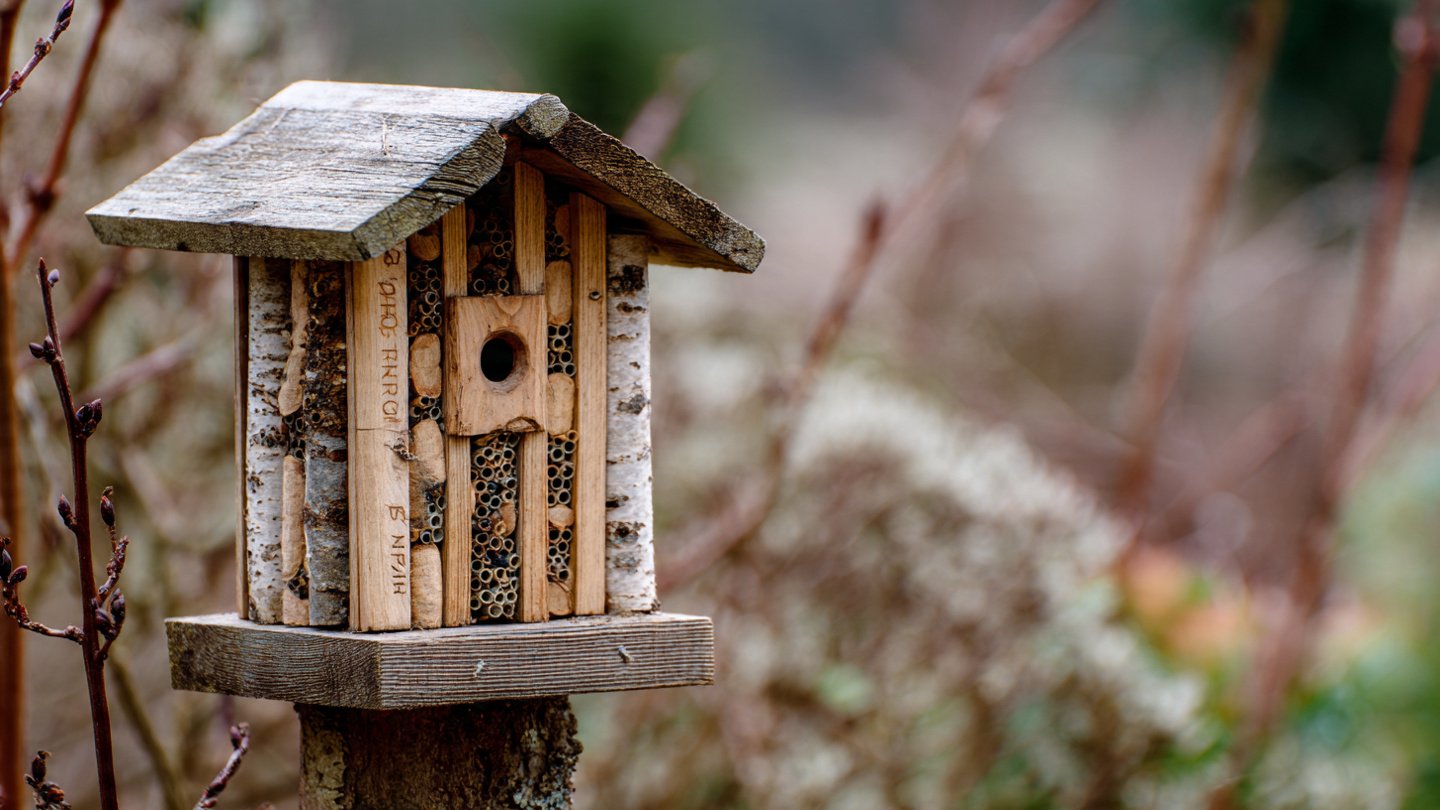
As spring unfolds its vibrant colors and fragrances, many garden enthusiasts begin to think about what they can do to enhance their outdoor spaces. One often-overlooked yet essential aspect of gardening is the role of pollinators, especially solitary bees. This article will explore the benefits of having a solitary bee house in your garden and why it’s an excellent investment for the environment, your garden’s health, and your gardening experience.
The Importance of Bees in Our Ecosystem
Bees play a vital role in our ecosystem. They are responsible for pollinating a wide variety of plants, including fruits, vegetables, and flowers. It’s estimated that one out of every three bites of food we consume is made possible by bee pollination. However, in recent years, bee populations have been declining due to habitat loss, pesticide use, and climate change. This emphasizes the need for initiatives that support their populations.
What Are Solitary Bees?
Solitary bees differ significantly from social bees like honeybees. While social bees live in colonies, solitary bees lead independent lives. They do not produce honey or live in hives, but they also serve as crucial pollinators. With over 20,000 species of bees worldwide, solitary bees include bumblebees, mason bees, and leafcutter bees, among others. These bees have unique behaviors and preferences that can greatly benefit your garden.

Benefits of a Solitary Bee House
Creating a solitary bee house can provide numerous benefits, both for your garden and the bees themselves. Here are some compelling reasons to consider adding one to your outdoor space:
1. Enhanced Pollination
One of the primary benefits of attracting solitary bees to your garden is enhanced pollination. Unlike honeybees, solitary bees can pollinate a wider variety of plants more efficiently due to their unique anatomy and behavior. For instance, some types of solitary bees, like mason bees, are particularly effective at pollinating fruit trees and berry bushes, directly increasing your garden’s yield.
2. Support for Biodiversity
Building a solitary bee house contributes to local biodiversity. Pollinators are critical to maintaining healthy ecosystems. By providing habitats for solitary bees, you help create a balanced environment that supports various life forms, from plants to birds. This biodiversity also provides resilience against pests and diseases.

3. Easy Maintenance
Making a solitary bee house is relatively simple, requiring minimal materials and care. A basic bee house can be constructed using natural materials like bamboo tubes or wood blocks with drilled holes. After being set up, solitary bee houses need little maintenance. Ensuring they’re placed in a sunny spot, away from harsh winds, is generally sufficient.
4. Educational Opportunities
A solitary bee house provides an excellent opportunity for education and learning, particularly for children. Involvement in gardening and bee observation teaches important concepts about ecology and fragility within our environment. It can foster a sense of responsibility towards nature and encourage future generations to value wildlife conservation.
5. Eco-Friendly Practices
By fostering a habitat for solitary bees, you’re actively engaging in more eco-friendly gardening practices. Solitary bees are excellent pollinators that thrive without chemical fertilizers or pesticides. This aligns well with organic gardening principles and minimizes your environmental impact.

How to Build a Solitary Bee House
Setting up a solitary bee house can be a fun and rewarding project. Here’s a simple guide to help you get started:
- Gather Materials: You will need untreated wood, bamboo sticks, or hollow reeds. Ensure that the materials are pesticide-free.
- Choose a Design: The house can be a simple wooden block with drilled holes or a more ornate structure. Aim for holes of varying diameters to attract different bee species.
- Drill Holes: Use a drill to create holes about 3-10mm in diameter, ensuring they are 15-20cm deep. The holes should be smooth to prevent bees from getting injured.
- Assemble the House: Create a structure to hold your drilled materials securely. You can stack blocks, attach bamboo, or use any creative method to keep it stable.
- Location: Place the bee house in a sunny spot where it will receive morning sun and is shielded from harsh weather.
Conclusion
The addition of a solitary bee house can significantly contribute to garden health, biodiversity, and pollination efficiency. As bee populations continue to face challenges, providing shelter for solitary bees is a proactive step towards supporting these crucial pollinators and encouraging sustainable gardening practices. This spring, consider building or purchasing a solitary bee house to enrich your garden and support the incredible world of our buzzing companions. Not only will you foster a healthier environment, but you will also enjoy the beauty and bounty of a thriving, pollinator-friendly garden.
FAQs
1. How do I know if solitary bees have taken up residence in my bee house?
You may notice that the holes in the bee house are filled, sealed with mud or plant material. You can also observe solitary bees buzzing around your garden and the house during the active months, which typically are early spring to early summer.

2. Are solitary bees aggressive towards humans?
No, solitary bees are generally non-aggressive and are less likely to sting compared to social bees. They focus on pollination and tend to avoid confrontation unless provoked.
3. Can I keep my solitary bee house near my flower beds?
Yes, placing your bee house near flowering plants is ideal, as it gives the bees immediate access to their food source. Just make sure it is not obstructed and positioned well for sun exposure.
4. What materials should I avoid when building a solitary bee house?
Avoid treated wood, as it may contain chemicals harmful to bees. Additionally, refrain from using painted materials that could also be toxic. Stick with natural, untreated materials.

5. How can I further support solitary bees in my garden?
Aside from building a bee house, consider planting native flowering plants that bloom at different times throughout the season. This will provide food sources that attract solitary bees and other pollinators.