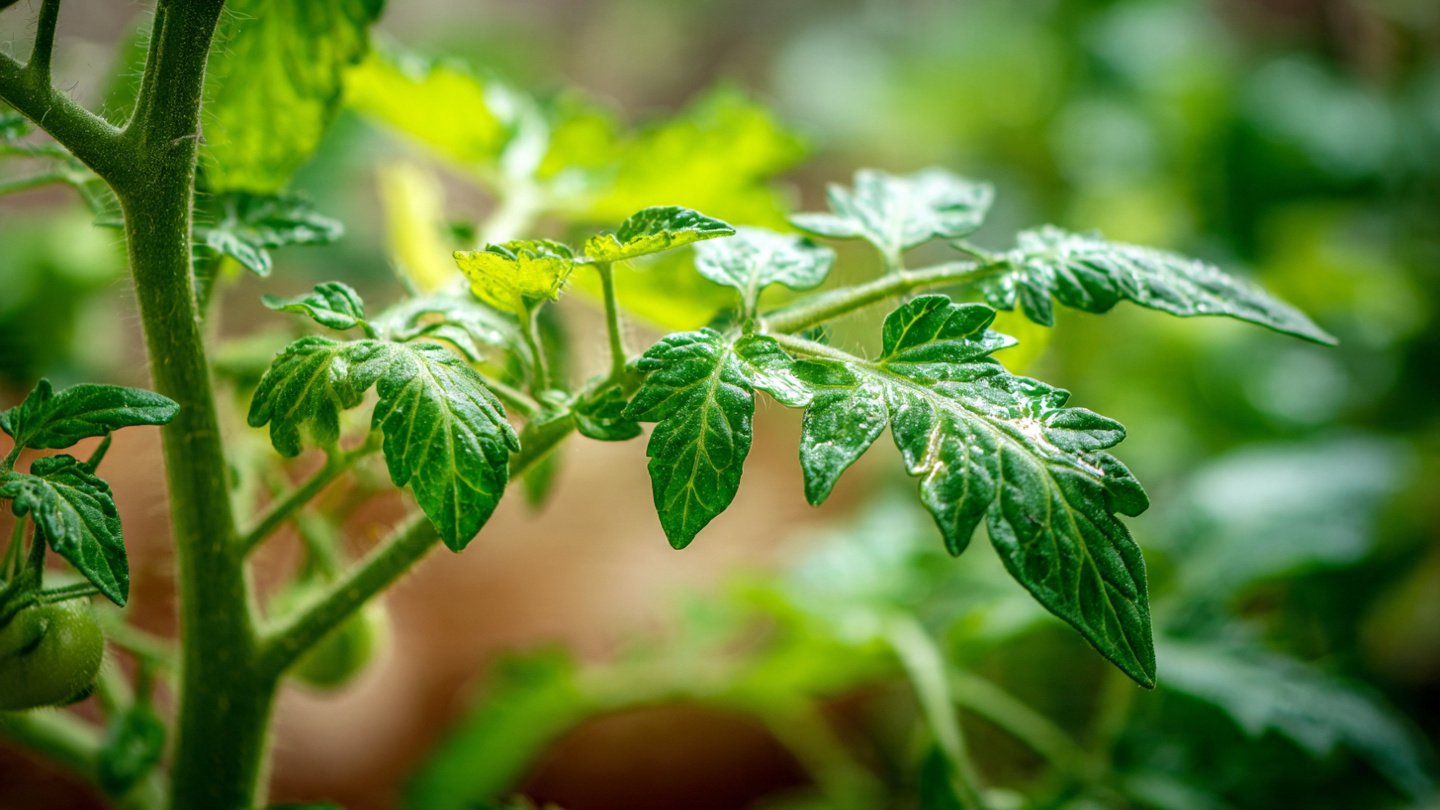
Tomato plants are a popular choice among gardeners due to their delicious fruit and relatively simple care requirements. However, these plants can be vulnerable to various nutritional deficiencies, one of the most common being calcium deficiency. Calcium is essential for the development and strength of tomato plants. Recognizing the subtle signs of calcium deficiency early can save your plants from stunted growth and poor fruit yield.
Understanding Calcium’s Role in Tomato Plants
Calcium is a vital nutrient that plays several crucial roles in plant health:
- Cell Wall Structure: Calcium contributes to the structure of cell walls, providing stability and strength to the plant.
- Root Development: It aids in strong root growth by facilitating healthy cell division.
- Fruit Quality: Adequate calcium levels improve fruit quality, preventing issues like blossom end rot.
- Water Regulation: It helps in maintaining the proper balance of other nutrients, aiding in the plant’s water regulation system.
Identifying Signs of Calcium Deficiency
Calcium deficiency can manifest in various subtle signs that may be easily overlooked. Here are some key indicators to keep an eye out for:

1. Blossom End Rot
Blossom end rot is perhaps the most notorious sign of calcium deficiency. It appears as dark, sunken spots on the blossom end of mature fruits. This condition is often exacerbated by inconsistent watering practices, leading to a lack of calcium uptake. While some yellowing may occur, the dark spots indicate a serious deficiency.
2. Leaf Curling and Distortion
Another sign of calcium deficiency is leaf curling or distortion, particularly in young, active growth. The edges of the leaves might begin to curl upward, while the veins remain a green color, creating a contrast with the paler surrounding tissue. This issue often coincides with rapid growth periods when the demand for nutrients is high.
3. Poor Fruit Development
If you notice that your tomato fruits are small, misshapen, or unevenly developed, this could indicate insufficient calcium levels. Healthy tomatoes should be round and well-formed, and deficiencies can lead to a variety of deformities, reducing marketability and overall enjoyment.
4. Wilting and Thinning Leaves
Leaves that appear thin and start to wilt, especially during sunny days, can also suggest calcium issues. While wilting can occur due to other stress factors like drought or disease, coupled with the other signs, it may be indicative of a deficiency.
5. Brown and Necrotic Leaf Tips
Browning and a necrotic appearance at the tips of older leaves can be another sign of calcium deficiency. As the plant struggles to absorb calcium, its older leaves may start to die off, leading to reduced overall vigor.

Causes of Calcium Deficiency
Understanding what causes calcium deficiency is crucial for prevention. Here are some common causes:
1. Soil pH Imbalance
Calcium availability is highly dependent on soil pH. Ideal pH levels for tomatoes are between 6.0 and 7.0. If the soil is too acidic, calcium can become less available to plants. Regular soil testing can help you monitor and adjust these levels accordingly.
2. Inconsistent Watering
Irregular watering can limit the plant’s ability to uptake calcium effectively. When tomatoes experience periods of drought followed by heavy watering, the sudden influx of water can lead to “shock,” disrupting nutrient uptake.
3. Over-Fertilization
Sometimes, an excess of nitrogen or potassium can inhibit calcium uptake, leading to deficiency. Balanced fertilization is essential to maintain adequate nutrient levels in the soil.
4. Young Plants

Young, rapidly growing plants have a high demand for calcium, making them particularly susceptible to deficiency. Ensuring they receive adequate nutrients during early growth stages is vital.
Preventive Measures for Calcium Deficiency
Taking proactive steps can help ensure your tomato plants remain healthy and calcium-rich:
1. Soil Testing
Regularly test your soil to monitor pH and nutrient levels. This will help you make informed choices about amendments and fertilizers needed to maintain optimal growing conditions.
2. Use of Amendments
Adding lime or crushed eggshells can help raise soil pH and provide a slow-release source of calcium. Gypsum is another great option that adds calcium without affecting soil pH.
3. Consistent Watering Practices
Establish a consistent watering schedule to prevent the stress of drought or over-watering. Aim for deep watering that allows for proper root development.

4. Balanced Fertilization
Select fertilizers with a balanced N-P-K ratio and those that specifically mention micronutrients. This approach can help ensure your tomatoes have the right nutritional balance.
Conclusion
Calcium deficiency in tomato plants can lead to significant issues that affect not only the plant’s health but also the quality and yield of the fruit. By recognizing the subtle signs and understanding the underlying causes, you can take swift action to correct any deficiencies. Regular soil testing, balanced fertilization, and consistent watering practices are essential steps in ensuring your tomato plants thrive. As a gardener, being vigilant and proactive is key to enjoying a productive harvest.
FAQs
1. How do I know if my tomato plants need calcium?
Watch for signs like blossom end rot, leaf curling, and poor fruit development. Soil testing can also indicate calcium levels.
2. Can I use lime to add calcium to my tomato plants?
Yes, lime is an effective way to raise soil pH and add calcium. Ensure you follow soil testing recommendations for amounts.

3. What causes blossom end rot in tomatoes?
Blossom end rot is caused by calcium deficiency often exacerbated by inconsistent watering. Maintaining consistent moisture is crucial.
4. Is it possible to over-fertilize my tomato plants with calcium?
Yes, over-fertilizing with nitrogen or potassium can inhibit calcium uptake. A balanced approach is essential for healthy growth.
5. Can I recover my tomato plants if they show signs of calcium deficiency?
Yes, with appropriate amendments and care, you can help the plants recover and improve their health and productivity.