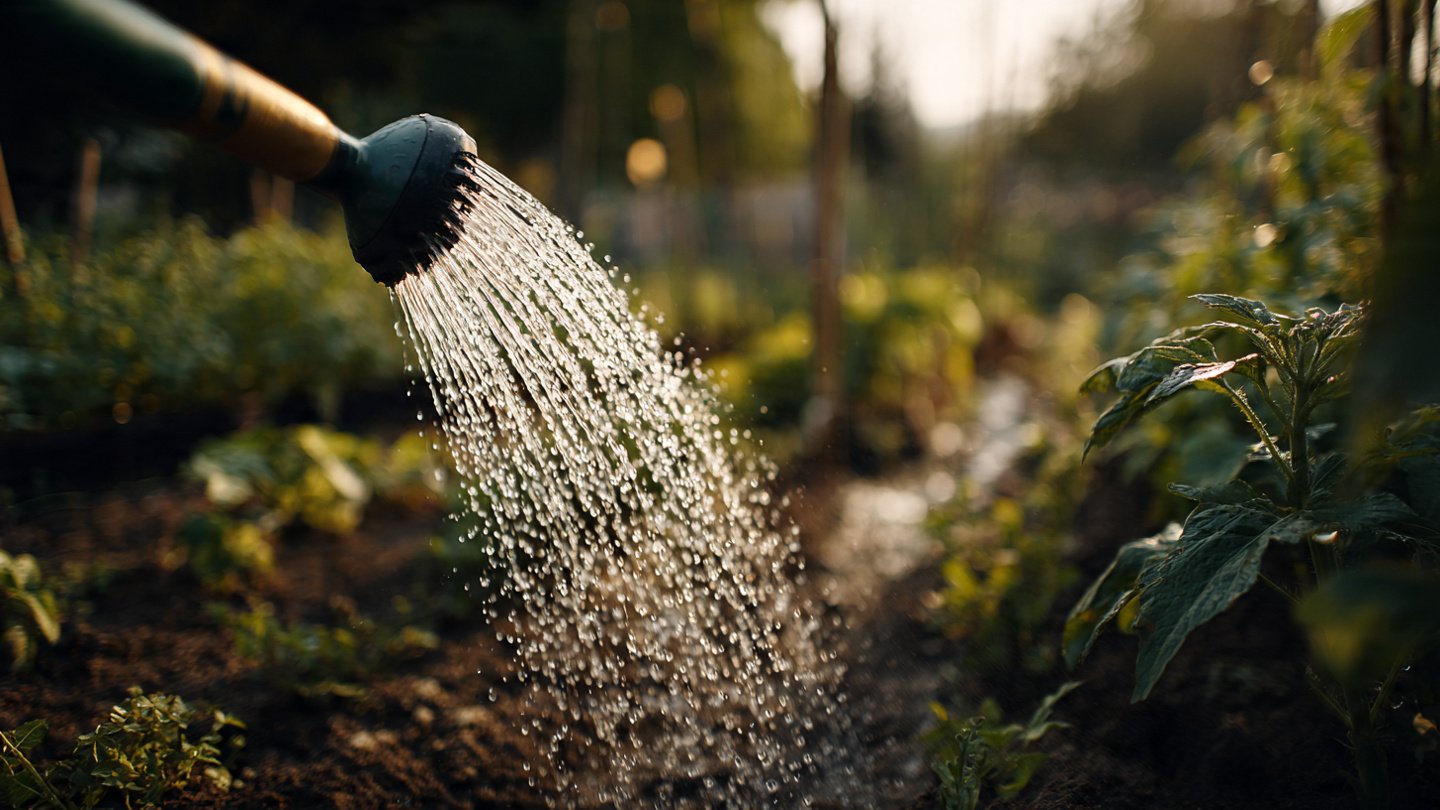
Water is essential for life, particularly for plants. To achieve a thriving garden, understanding and implementing an optimal watering schedule is crucial. This comprehensive guide will explore the factors that influence watering needs, common plant requirements, and practical tips for creating an effective watering schedule.
Understanding Plant Needs
Plants have varying water requirements based on several factors:
- Species Type: Different plants have different needs. For instance, succulents require less water compared to tropical plants.
- Growth Stage: New seedlings and young plants often need more frequent watering compared to established plants.
- Climate: In warmer climates, plants may require more water due to higher evaporation rates. Conversely, cooler climates may require less.
- Soil Type: Sandy soils drain quickly and may need more frequent watering, while clay soils retain moisture and may require less frequent watering.
Soil Moisture
Checking soil moisture is one of the most effective ways to determine when to water. Use your finger to dig a few inches into the soil. If it feels dry at this depth, it’s time to water. For more precision, consider using a soil moisture meter.

General Watering Guidelines
While specific plant needs will vary, there are general guidelines that can help create an effective watering schedule:
- Water Deeply and Infrequently: Instead of daily light watering, aim to water deeply once or twice a week. This encourages deep root growth.
- Timing: Water in the early morning or late afternoon when temperatures are cooler, reducing evaporation and allowing plants to absorb moisture.
- Adjust for Seasons: Different seasons can alter watering needs. For instance, summer will typically require more frequent watering compared to spring or fall.
- Mulching: Apply mulch around plants to help retain soil moisture, reduce evaporation, and suppress weeds.
Plant-Specific Watering Needs
Annuals
Annual plants generally require consistent moisture throughout their growing season. Watering them every few days may be necessary, particularly in hotter months. Pay attention to signs of wilting or browning leaves.
Perennials
Perennials establish deep root systems and typically need less frequent watering once established. During their first year, however, regular watering is crucial for establishment.

Vegetables
Vegetables often thrive with consistent moisture. Leafy greens like lettuce and spinach prefer slightly moister conditions, while root vegetables such as carrots and potatoes may require less frequent watering.
Shrubs and Trees
Established shrubs and trees are generally more drought-tolerant. For newly planted ones, ensure deep watering once or twice a week during the first growing season.
Seasonal Adjustments
Spring
As temperatures begin to rise, plants start waking up from dormancy. Watering requirements can increase:

- Frequency: Increase watering frequency as plants resume growth.
- Soil Check: Monitor soil moisture to ensure it remains consistent as temperatures fluctuate.
Summer
Summer can be the most challenging season for watering:
- Humidity Factors: In humid regions, plants may require less water due to reduced evaporation, while in dry heat, more frequent watering will be necessary.
- Drought Awareness: Be mindful of drought conditions that might arise and adjust accordingly.
Fall
As temperatures cool and days shorten, many plants slow their growth.
- Watering Reduction: Gradually reduce watering as growth slows, but continue monitoring young plants.
- Prepping for Winter: Ensure plants are adequately hydrated heading into winter, particularly perennial vegetables and newly planted trees.
Winter
In colder regions, watering becomes less frequent:

- Dormant Watering: Most plants enter dormancy and have reduced water needs. However, evergreens and newly planted trees may still need occasional moisture during warm spells.
Tips for Efficient Watering
- Watering Tools: Invest in tools such as soaker hoses or drip irrigation systems that deliver water directly to the soil, minimizing evaporation.
- Rain Barrels: Collect rainwater to use during drier spells. It’s an eco-friendly way to ensure plants get the moisture they need without increasing water bills.
- Adjust Based on Weather: Before watering, always check the weather forecast. If rain is expected, postpone watering.
- Be Observant: Pay close attention to plant health. Signs of overwatering include yellow leaves and root rot, while signs of underwatering include wilting and browning leaves.
Watering Techniques
Hand Watering
Hand watering allows for targeted watering at the plant’s base. Use a watering can or hose with a spray nozzle to control the flow and amount of water.
Drip Irrigation
This method delivers water directly to the roots through a network of tubing and emitters, minimizing water waste.
Soaker Hoses
Soaker hoses can be laid out on the soil, providing slow, even watering over a longer period.

Conclusion
Creating an optimal watering schedule for your garden plants is essential for their health and vitality. By understanding the specific needs of your plants, adjusting for seasonal changes, and using appropriate watering techniques, you can foster a thriving garden throughout the year.
By practicing these watering strategies, your garden can flourish, promoting a sustainable environment while enjoying the beauty and bounty it offers. Remember, the key to successful gardening lies in observation, patience, and a willingness to adapt as the needs of your plants change. Happy gardening!