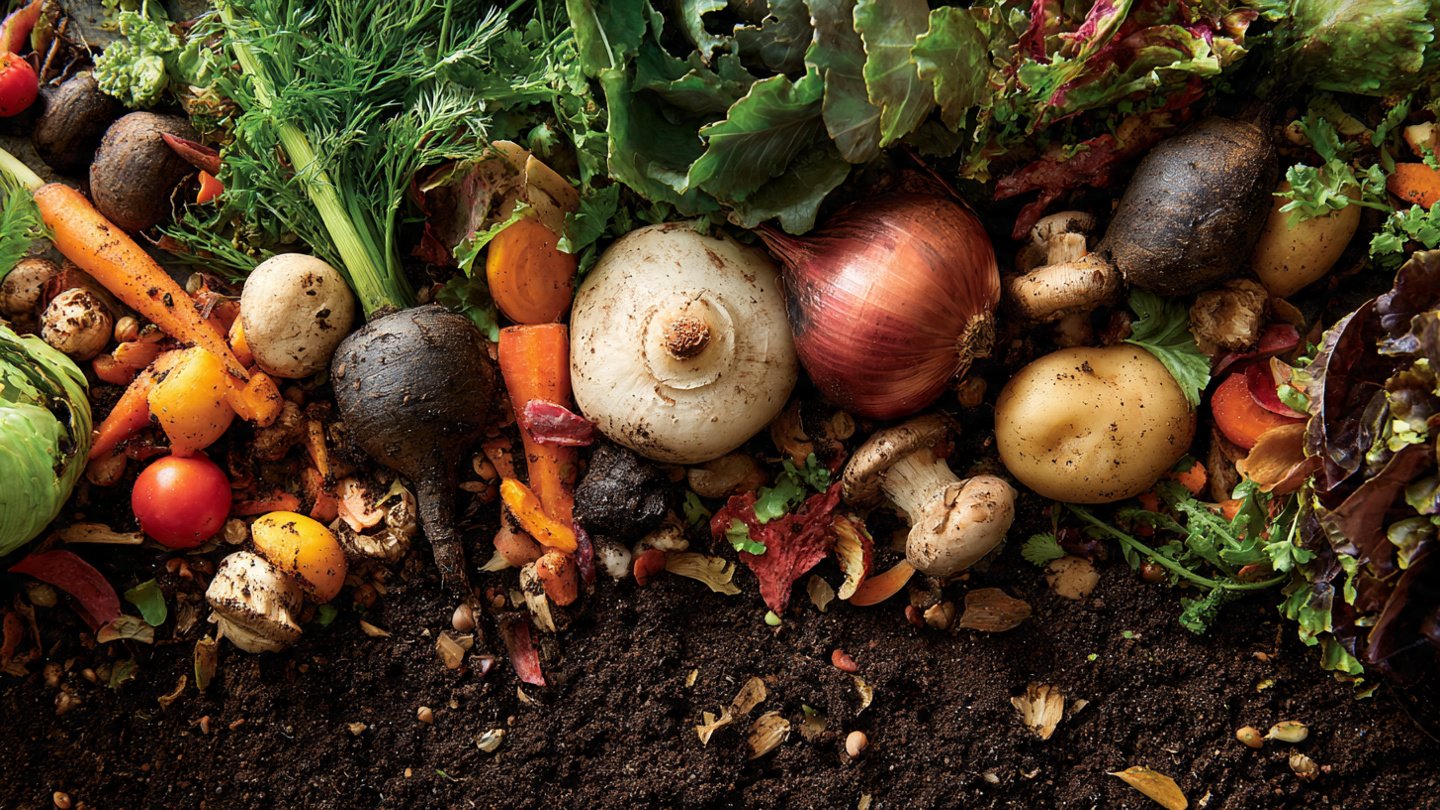
In an age where sustainability is a priority, the importance of composting kitchen scraps is gaining renewed attention among gardeners, environmentalists, and food enthusiasts alike. Not only is composting an excellent way to reduce waste, but it also creates a rich, nutrient-dense soil amendment that promotes garden health. This article delves into how kitchen scraps can enrich soil microbes, enhance garden vitality, and promote a sustainable lifestyle.
The Role of Soil Microbes
Soil is alive. It teems with an array of microorganisms, including bacteria, fungi, protozoa, and nematodes, all of which play critical roles in the ecosystem. These soil microbes are essential for nutrient cycling, breaking down organic matter, and forming relationships with plant roots.
Nutrient Cycling
Microbes help decompose organic materials, converting them into plant-available nutrients. By transforming complex organic compounds into simpler forms, soil microbes enable plants to absorb nutrients more efficiently. This process not only nourishes plants but also contributes to their overall health.
Symbiotic Relationships
Many plants engage in symbiotic relationships with soil microbes. For example, mycorrhizal fungi connect with plant roots, increasing nutrient uptake—especially phosphorus—in exchange for carbohydrates. This mutualism enhances plant growth and resilience to stress.

Soil Structure and Water Retention
Healthy microbial populations improve soil structure, promoting the formation of aggregates that enhance aeration and water retention. A well-aerated soil allows roots to penetrate more easily and access deeper moisture, while better water retention means less frequent watering.
The Value of Kitchen Scraps
Kitchen scraps encompass a wide variety of organic materials, from vegetable peels and fruit skins to coffee grounds and eggshells. These waste items are treasure troves of nutrients that can significantly benefit soil health.
Nutrient Composition
- Vegetable Scraps: Rich in nitrogen and various micronutrients, vegetable scraps promote microbial activity and provide essential elements for plant growth.
- Fruit Peels and Cores: High in potassium and phosphorus, fruit scraps also attract beneficial microbes and insects.
- Coffee Grounds: An excellent source of nitrogen, coffee grounds also improve soil texture and enhance drainage.
- Eggshells: Loaded with calcium, eggshells help prevent blossom end rot in plants like tomatoes and peppers.
- Herbs and Spices: Certain herbs like basil, rosemary, and thyme can deter pests and attract beneficial insects.
Diversity of Nutrients
One of the great advantages of using kitchen scraps is the diversity of nutrients they offer. Different scraps contribute various minerals, vitamins, and organic matter that enrich the soil and promote balanced microbial populations.
Composting Methods
To maximize the benefits of kitchen scraps, composting is a highly effective method. It allows for the controlled decomposition of organic materials, creating rich compost that enriches soil.

Hot Composting
Hot composting is a rapid method that involves creating a compost pile with a mix of green (nitrogen-rich) and brown (carbon-rich) materials. This process generates heat, speeding up decomposition and killing pathogens and weed seeds. Kitchen scraps such as vegetable peels and coffee grounds can be added alongside dried leaves, straw, or cardboard.
Cold Composting
Cold composting, on the other hand, is a slower process that involves layering scraps over time without the need for turning or adding heat. This method is simpler and requires less effort. However, the end product may take longer to mature into usable compost.
Bokashi Composting
Bokashi is a fermentation method that uses a specific mix of microorganisms to break down organic material. This method allows for the incorporation of kitchen scraps like dairy and meat, which are typically avoided in traditional composting. The result is nutrient-rich compost that can be directly added to garden beds.
Building Your Compost Pile
Creating a compost pile can be rewarding and simple. Here are steps to ensure your compost is effective and beneficial for soil microbes:

- Choose a Location: Select a dry, shaded spot near a water source for your compost pile.
- Gather Materials: Collect a mix of green and brown materials, including kitchen scraps, dried leaves, paper, and wood chips.
- Layering: Start with a layer of coarse materials (like twigs) for aeration, followed by a layer of kitchen scraps. Alternate layers to optimize decomposition.
- Moisture: Compost should be kept moist, slightly damp like a wrung-out sponge. Water when necessary.
- Turning the Pile: For hot composting, turn the pile every few weeks to aerate it and speed up decomposition.
- Monitor Temperature: In hot composting, monitor internal temperatures to ensure decomposition is occurring efficiently.
Microbial Benefits of Compost
Once your kitchen scraps have decomposed into compost, they offer tremendous benefits to soil microbes:
- Enhanced Microbial Diversity: Fertile compost boosts microbial diversity, enriching the ecosystem and supporting various soil organisms.
- Organic Matter: Compost adds organic matter to the soil, which serves as food for beneficial microbes.
- Soil pH Regulation: Some composts can help buffer pH levels, making the soil more hospitable for various plant species.
- Disease Suppression: Healthy compost can contain beneficial microbes that outcompete harmful ones, suppressing plant diseases.
The Benefits to Garden Health
Enriching soil with kitchen scraps translates directly to healthier gardens. Here are some benefits:
Improved Plant Growth
Plants grown in nutrient-rich soil tend to be more vigorous and productive. They can access a range of nutrients, promoting lush foliage, vibrant blooms, and bountiful fruits.
Pest and Disease Resistance
Healthy plants are often more resilient to pests and diseases because they have robust immune systems supported by essential nutrients from compost.

Reduced Dependence on Chemical Fertilizers
Adding compost to the garden reduces the need for chemical fertilizers. With consistent use of kitchen scraps, gardeners can maintain healthy soil without relying on synthetic inputs, promoting a more sustainable gardening practice.
Environmental Sustainability
Utilizing kitchen scraps in the garden promotes recycling and reduces landfill waste, thereby minimizing greenhouse gas emissions associated with decomposing waste in landfills.
Conclusion
Incorporating kitchen scraps into your gardening routine is a win-win approach that enriches soil microbes and boosts garden health. By composting organic waste, you unlock a treasure of nutrients that transforms your garden into a flourishing ecosystem. The practice not only contributes to thriving plants but also aligns with sustainable living principles, making it a vital part of an environmentally conscious lifestyle.
So, the next time you cut vegetables or brew coffee, remember that what seems to be waste can, in fact, be a powerful ally in your gardening efforts. Embrace the potential of kitchen scraps to create a healthier, more vibrant garden ecosystem. Happy composting!
