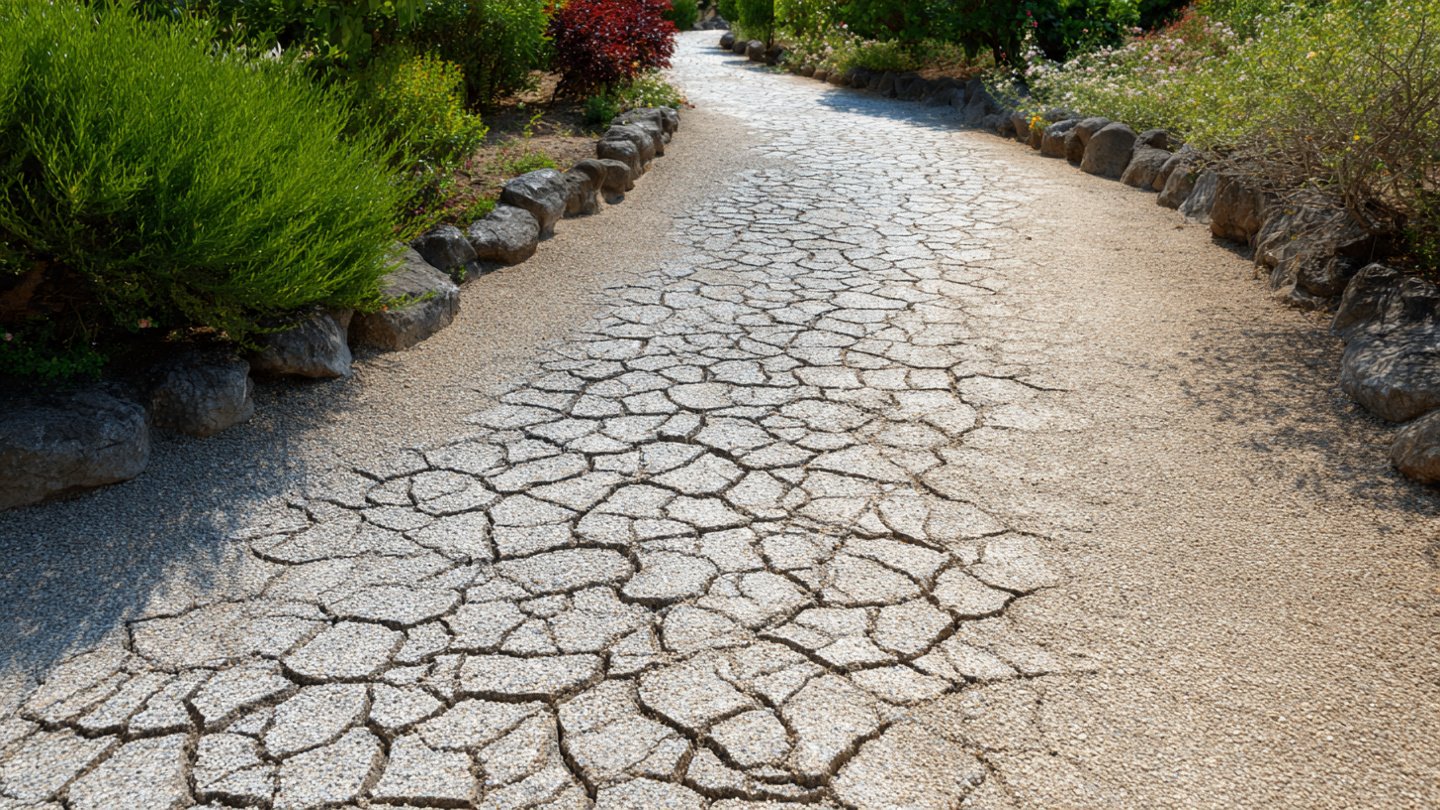
Garden paths add aesthetic value to your outdoor space while providing functionality. However, over time, you may notice cracks appearing in your beloved walkway. Understanding the underlying causes of these cracks is essential in maintaining your garden’s beauty and longevity. This article explores why garden paths crack and how polymeric sand can be an effective solution.
Causes of Cracking in Garden Paths
Several factors contribute to the cracking of garden paths, many of which intertwine with the natural environment, building materials, and how the pathways were constructed. Here are the primary reasons:
- Weather Conditions: Extreme temperatures, whether hot or cold, can cause materials such as concrete, stone, and brick to expand and contract. In freezing conditions, moisture can seep into cracks, freeze, and cause further expansion, compounding the damage.
- Soil Movement: The ground beneath your path is not static. Soil can settle, erode, or shift due to heavy rains, droughts, or the growth of tree roots, all of which can lead to uneven surfaces and cracks.
- Poor Installation: If your path was not installed correctly, it might not withstand natural stressors. Inadequate drainage or a lack of a proper base can significantly reduce the lifespan of your pathway.
- Heavy Loads: Frequent foot traffic or heavy equipment passing over paths can stress the materials, leading to cracks. Pavers or stones that are not properly laid might suffer more than those set in concrete.

Identifying the Type of Damage
To effectively address cracking, it’s crucial to identify the type and extent of damage. Here are common signs of cracks:
- Surface Cracks: These are usually superficial and may not require extensive repairs. However, if left unchecked, they can lead to more significant issues.
- Deep Cracks: These indicate a more substantial problem, possibly necessitating professional intervention. They can be a sign of foundational shifts or severe erosion.
- Cracked Joints: If the seams between pavers or bricks are cracking, this may suggest that the jointing material has deteriorated, allowing water and debris to enter.
The Role of Polymeric Sand
Polymeric sand is a revolutionary solution for many of the common issues associated with garden path cracking. It is a mixture of sand and special additives that, when activated by moisture, bind the sand particles together and create a strong, flexible joint that increases durability.
Benefits of Polymeric Sand

Polymeric sand offers various advantages, making it a go-to choice for homeowners looking to repair or construct paths. Here are some benefits:
- Flexibility and Strength: Polymeric sand dries into a solid yet flexible joint, effectively absorbing soil movement and temperature changes without cracking.
- Weed Prevention: The strong bond formed by the sand prevents weeds from taking root in the gaps between stones, reducing maintenance efforts.
- Water Resistance: When properly applied, polymeric sand creates a water-resistant barrier that blocks moisture from penetrating through the joints, thus protecting the foundation of your garden path.
- Long-lasting: Compared to traditional sand, polymeric sand provides a longer-lasting solution, thus ensuring lower maintenance and repair costs in the long run.
How to Apply Polymeric Sand
Applying polymeric sand is a straightforward process, but it requires accuracy for optimal results. Here’s a step-by-step guide to help you through:
- Clean the Area: Remove any existing sand, debris, or weeds from the joints of your pavers. A clean slate will ensure that the polymeric sand adheres optimally.
- Apply the Sand: Spread polymeric sand evenly over the surface of your pathway. Use a broom to sweep the sand into the joints between the pavers.
- Compact the Sand: Use a plate compactor or a rubber mallet to compact the sand further into the joints. This action enhances the bond and prevents shifting.
- Activate the Polymers: Mist the surface with water, being careful not to saturate it. This step activates the polymers, allowing them to bind and form a strong joint.
- Allow to Cure: Let the sand cure as per the manufacturer’s instructions before allowing foot traffic on your pathway. This could take anywhere from a few hours to a couple of days.

Maintaining Your Pathway
Once your garden path has been laid or repaired with polymeric sand, proper maintenance is essential for ensuring its longevity. Here are some maintenance tips:
- Regular Cleaning: Sweep the path regularly to remove debris and prevent weed growth.
- Inspect for Damage: Periodically check for any shifts in pavers or cracks that may have developed.
- Reapply Polymeric Sand: Depending on wear and tear, you may need to reapply polymeric sand every few years or as needed.

Conclusion
Understanding the causes of cracks in your garden paths is the first step toward effective maintenance and repair. Polymeric sand offers a reliable solution that can enhance the durability of your pathways while also preventing further cracking. By applying polymeric sand correctly and maintaining your paths regularly, you can keep your garden looking beautiful for years to come.
Frequently Asked Questions
A1: Polymeric sand is suitable for most types of paver paths, including concrete, brick, and natural stone. However, always check the manufacturer’s recommendations.

A2: When applied correctly, polymeric sand can last for several years, but this can vary based on factors such as weather and foot traffic.
A3: Yes, polymeric sand creates a solid joint that helps prevent weed growth, making it easier to maintain your paths.
A4: Assess the extent of the damage. For minor cracks, you may be able to repair them with a patch. For extensive damage, consider re-leveling and reapplying polymeric sand as described in this article.