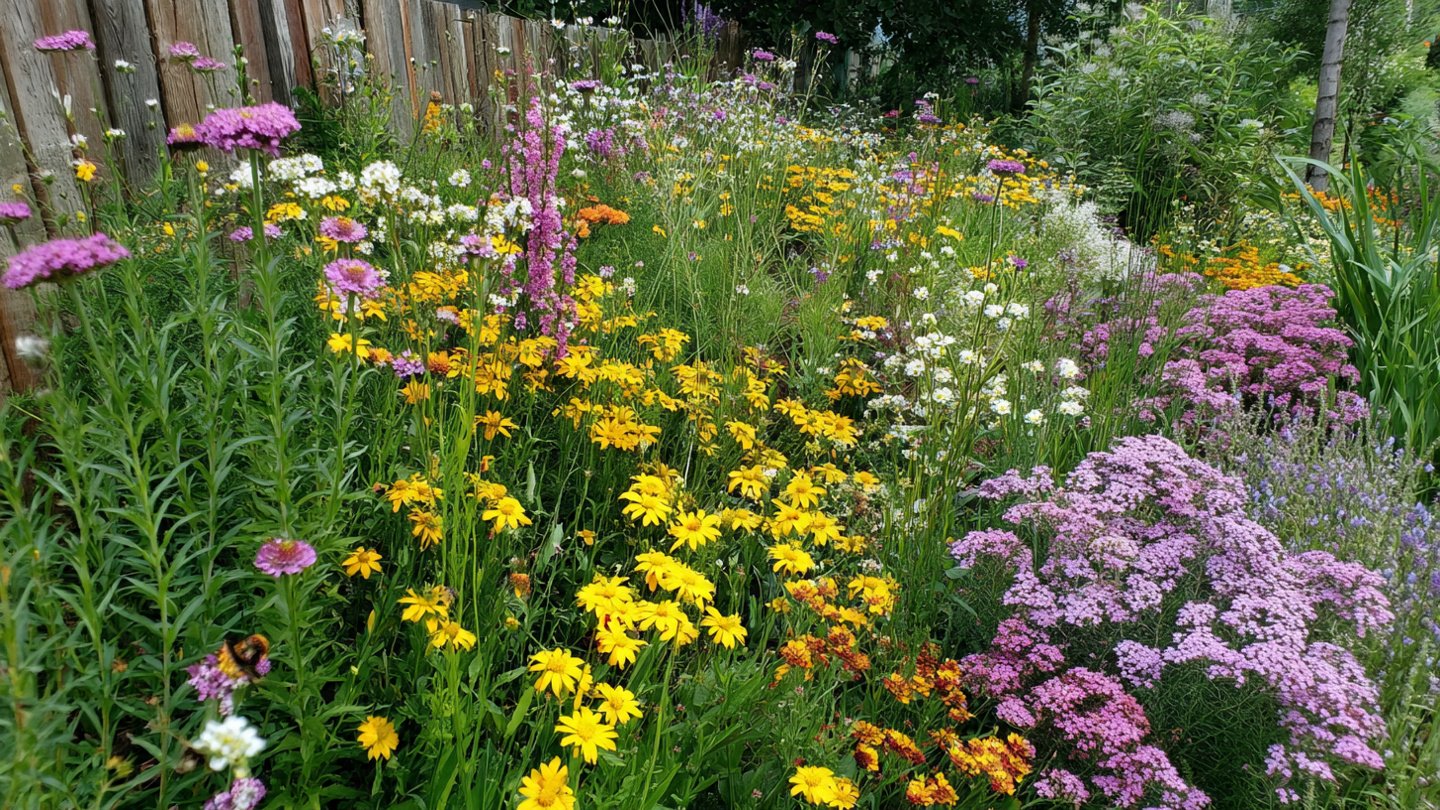
The critical role of pollinators in our ecosystem cannot be overstated. From fruits to vegetables and even ornamental plants, many crops depend on pollinators for successful fertilization and subsequent fruit development. In recent years, the decline of pollinator populations has raised concerns among gardeners and farmers alike. One effective way to attract and support these essential creatures is by planting pollinator strips in vegetable patches.
What Are Pollinator Strips?
Pollinator strips are designated areas within a garden or farm that are planted with a variety of flowers and plants specifically chosen to attract and support pollinators like bees, butterflies, and other insects. These strips create a biodiverse environment that offers food resources and habitat for pollinators, contributing to overall ecosystem health.
Why Plant Pollinator Strips?
1. Enhanced Pollination
Pollinator strips can significantly enhance the pollination of your vegetable crops. When you plant diverse flowering plants, you attract a variety of pollinators to your garden. More pollinators translate to improved fertilization rates, often resulting in larger and more abundant harvests.
2. Biodiversity Benefits
By adding plant diversity to your garden, you not only attract beneficial pollinators but also support other wildlife. The presence of various plant species can create a more resilient ecosystem, as different plants provide food and habitat to a myriad of insects, birds, and small mammals.
3. Environmentally Friendly
Utilizing pollinator strips supports sustainable gardening practices. By reducing the need for chemical pesticides and fertilizers, you promote a healthier environment. Pollinators contribute to the natural regulation of pests and diseases, allowing for a more balanced ecosystem in your vegetable patch.
4. Educational Opportunities
Creating a pollinator strip offers a fantastic chance to educate children and communities about the importance of pollinators and biodiversity. It’s a fantastic hands-on project that encourages interest in nature and sustainability.
How to Establish Pollinator Strips
1. Choose the Right Location
When establishing a pollinator strip, select a sunny location with good soil drainage. Pollinators thrive in environments where they can easily access food and nesting sites. Consider placing the strips near your vegetable plants to ensure maximum visitation from pollinators.
2. Select Appropriate Plant Varieties
Choose a mix of native flowering plants that bloom at different times throughout the growing season. Native plants are typically more attractive to local pollinators and are better adapted to the local soil and climate. Here’s a list of recommended plants:
- Wildflowers (e.g., coneflower, black-eyed Susan)
- Herbs (e.g., basil, lavender, oregano)
- Flowering vegetables (e.g., tomatoes, squash)
- Ground covers (e.g., clover, creeping thyme)
3. Planting Techniques
Prepare the planting area by removing weeds and existing vegetation. You can sow seeds directly into the soil or transplant young plants. Aim for a diverse planting scheme, clustering flowers in patches to create visually appealing landscapes and attract maximum pollinators.
4. Provide Maintenance
Once established, pollinator strips require regular maintenance, such as watering and weeding. Allow some plants to go to seed to provide food for pollinators through the late summer and fall. Avoid using pesticides in these areas to promote a safe environment for all species.
Complementing Your Vegetable Patch
Pollinator strips can seamlessly integrate into your existing vegetable garden. Consider the following strategies to enhance the benefits:
1. Intercropping
Incorporate flowering plants into your vegetable beds. For example, planting marigolds or borage among your tomatoes can attract pollinators while also providing pest management benefits.
2. Succession Planting
Implement succession planting in your vegetable garden, ensuring that at least some plants are flowering while others are being harvested. This maintains a constant food supply for pollinators throughout the growing season.
3. Companion Planting
Use companion planting strategies to maximize productivity. For instance, pairing flowering herbs with your vegetables can attract beneficial insects that pollinate and control pests, resulting in a healthier garden ecosystem.
Monitor and Adapt
As your pollinator strips mature, take note of which plants attract the most pollinators. This information can guide future planting choices. Engaging local gardening communities can provide insights into artisanal practices or introduce you to additional native plants that suit your gardening environment.
Conclusion
Investing time and effort into establishing pollinator strips within your vegetable garden can lead to remarkable benefits, not only for your harvest but for the broader ecosystem. By fostering these crucial relationships with pollinators, you promote biodiversity and sustainability while enhancing the beauty and productivity of your garden. As the world becomes increasingly aware of environmental issues, creating spaces that support pollinators is a rewarding endeavor that can yield benefits for both gardeners and nature.
FAQs
1. How long does it take for pollinator strips to become effective?
Typically, it takes a season or two for newly planted pollinator strips to fully mature and begin attracting a diverse range of pollinators. However, you may start to notice some activity soon after planting, particularly if you use established plants.
2. How much space do I need for a pollinator strip?
Even a small area, such as a 2-foot wide strip, can be beneficial. The key is to have a diverse selection of flowering plants. Larger patches naturally support a greater variety of species and provide more resources.
3. Can I plant pollinator strips in containers?
Yes! Pollinator-friendly plants can certainly be grown in containers. Choose a variety of plants that thrive in pots and ensure they receive adequate sunlight and water.
4. What if I live in an area with limited plant diversity?
Consider introducing native species to your area. Consult local nurseries or extension services for recommendations on suitable plants based on your locality. Even simple flowering plants can create a supportive habitat for pollinators.
5. Are there specific seasons best for planting pollinator strips?
The ideal time for planting varies by region but generally, spring or fall is recommended when conditions are favorable for seed germination and root establishment. Select plants based on their bloom times to ensure continuous flowering throughout the season.