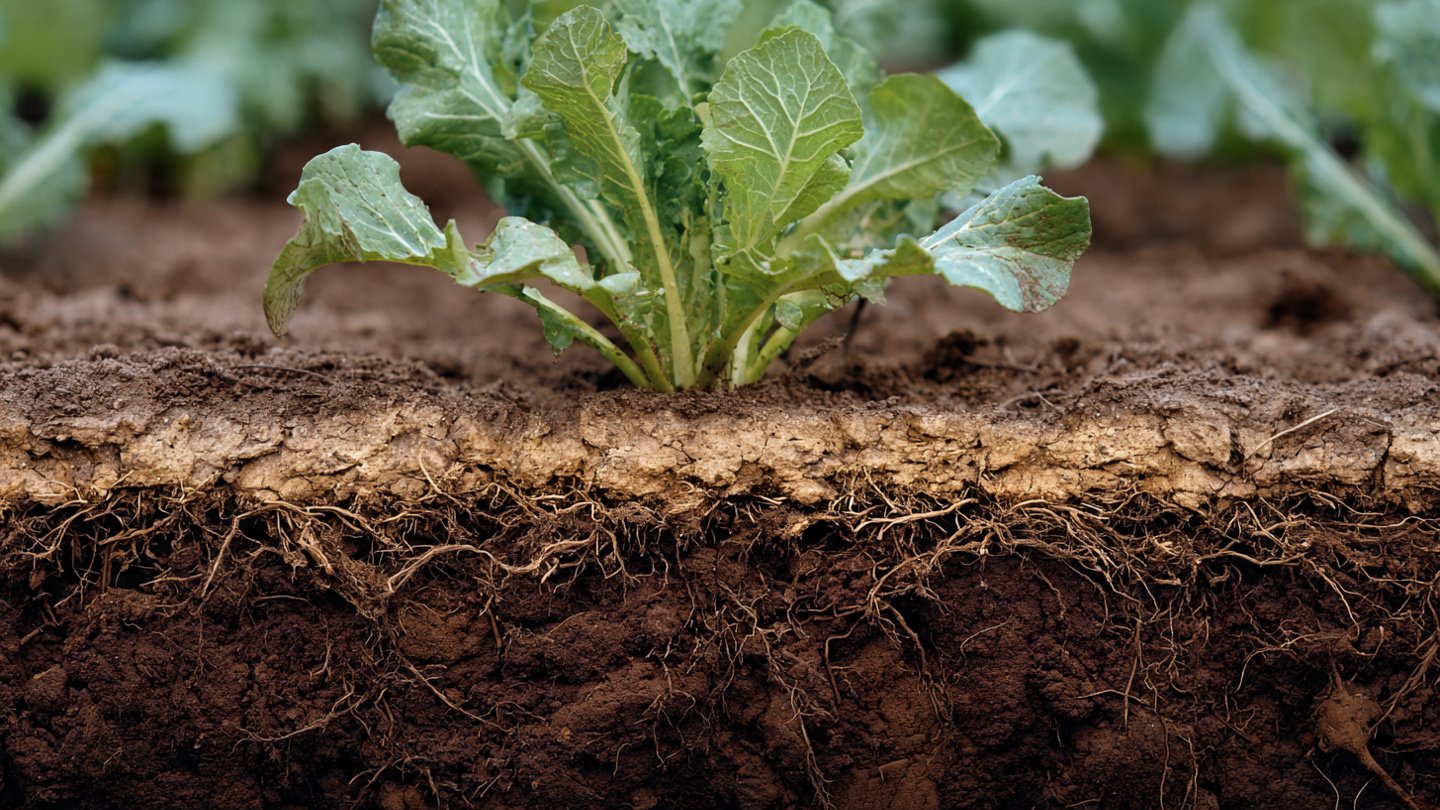
Crop rotation is a vital agricultural practice that involves alternating the types of crops grown on a particular piece of land over specific periods. This technique helps to enhance soil health, control pests, and increase crop yields. However, for crop rotation to be successful, understanding soil nutrients and their importance is critical. This article aims to explore the various soil nutrients essential for crop health, the benefits of crop rotation on soil nutrients, and strategies for managing soil fertility effectively.
Importance of Soil Nutrients
Soil nutrients play a pivotal role in plant growth and development. They can be classified into primary, secondary, and micronutrients, each of which serves specific functions within the plant. The primary nutrients, nitrogen (N), phosphorus (P), and potassium (K), are required in larger quantities and are fundamental to achieving optimal plant health. Secondary nutrients like calcium (Ca), magnesium (Mg), and sulfur (S) are also essential, but in smaller amounts. Lastly, micronutrients, including iron (Fe), manganese (Mn), and zinc (Zn), are required in trace amounts but are vital for various physiological processes.
Nitrogen (N)
Nitrogen is crucial for plant growth as it is a significant component of amino acids, which are the building blocks of proteins. It also plays a role in chlorophyll production, which is essential for photosynthesis. A nitrogen deficiency can lead to stunted growth and yellowing of leaves, while excess nitrogen can result in excessive vegetative growth at the expense of fruit and seed production.

Phosphorus (P)
Phosphorus is vital for energy transfer and storage within plants, as it is a part of ATP (adenosine triphosphate). It contributes to root development and flowering, and phosphorus-rich plants tend to have improved yields. A phosphorus deficiency may cause poor crop establishment and delayed maturity.
Potassium (K)
Potassium regulates various physiological processes, including enzymatic reactions, water regulation, and stress resistance. It also contributes to the development of strong stems and roots. Inadequate potassium can result in weak plants that are more susceptible to diseases and environmental stressors.
Benefits of Crop Rotation for Soil Nutrients
Crop rotation has beneficial effects on soil nutrients, which can enhance overall productivity. By alternating different crops, farmers can prevent nutrient depletion and improve soil structure, leading to long-term gains in soil quality.
1. Nutrient Management

Different crops have varying nutrient requirements and rooting depths. By rotating crops, nutrients can be used more efficiently. Deep-rooted crops can access nutrients and moisture from deeper soil layers, while shallow-rooted crops may not reach these nutrients, thus allowing them to be utilized better by the next crop.
2. Pest and Disease Control
Specific pests and diseases are often associated with particular crops. By rotating crops, farmers can disrupt the life cycles of these pests and diseases, reducing their impact on crop yields. This not only supports successful crop growth but also minimizes the need for chemical pesticide applications.
3. Improved Soil Structure
Different root systems from various crops contribute to improved soil structure and aeration. This enhances water retention and drainage, ultimately leading to a healthier soil ecosystem. Improved soil structure also facilitates better nutrient uptake by plants.
Strategies for Managing Soil Fertility
Effective management of soil fertility is crucial for maximizing the benefits of crop rotation. Here are some practical strategies:

1. Soil Testing
Regular soil testing provides valuable information about the nutrient status of the soil. Testing allows farmers to make informed decisions regarding fertilization, crop selection, and rotation practices. The nutrient recommendations derived from soil tests can guide farmers in creating tailored fertilization programs.
2. Organic Matter Addition
Incorporating organic matter, such as compost or cover crops, improves soil health. Organic matter enhances soil structure, increases water retention, and promotes microbial activity, which is essential for nutrient cycling. Adding organic matter also reduces the need for synthetic fertilizers, contributing to more sustainable farming practices.
3. Crop Diversity
Growing a diverse range of crops can enhance nutrient availability and overall soil health. For instance, legumes can fix atmospheric nitrogen, enriching the soil for subsequent crops. Diversifying crops can also help mitigate the risks associated with pests and diseases, leading to more resilient farming systems.

Conclusion
Understanding soil nutrients and their role in crop rotation is essential for achieving sustainable agricultural practices. By maintaining soil health, managing nutrient availability, and incorporating diverse cropping systems, farmers can enhance productivity while preserving the environment. As agriculture faces increasing challenges from climate change and population growth, the effective use of crop rotation to optimize soil nutrients will become ever more critical to ensure food security for the future.
FAQs
What is crop rotation?
Crop rotation is the practice of growing different types of crops in the same area over time. This technique helps improve soil health, manage pests, and enhance crop yields.
Why is soil nutrient management important in crop rotation?
Soil nutrient management is crucial because it helps maintain soil fertility, prevents nutrient depletion, and enhances crop performance by ensuring that plants receive the essential nutrients they need for growth.

How often should I rotate my crops?
The frequency of crop rotation can depend on the specific crops being grown and local conditions. Generally, rotating crops annually is a common practice, but more frequent rotations may be beneficial in some cases.
What are cover crops, and how can they help with soil nutrients?
Cover crops are planted primarily to prevent soil erosion and improve soil health rather than for harvest. They can fix nitrogen in the soil, improve soil structure, and enhance organic matter content, contributing to overall soil fertility.
Can I use chemical fertilizers while practicing crop rotation?
While chemical fertilizers can be used, it is essential to balance their application with organic matter addition and careful planning based on soil tests to avoid nutrient imbalances and environmental impacts.