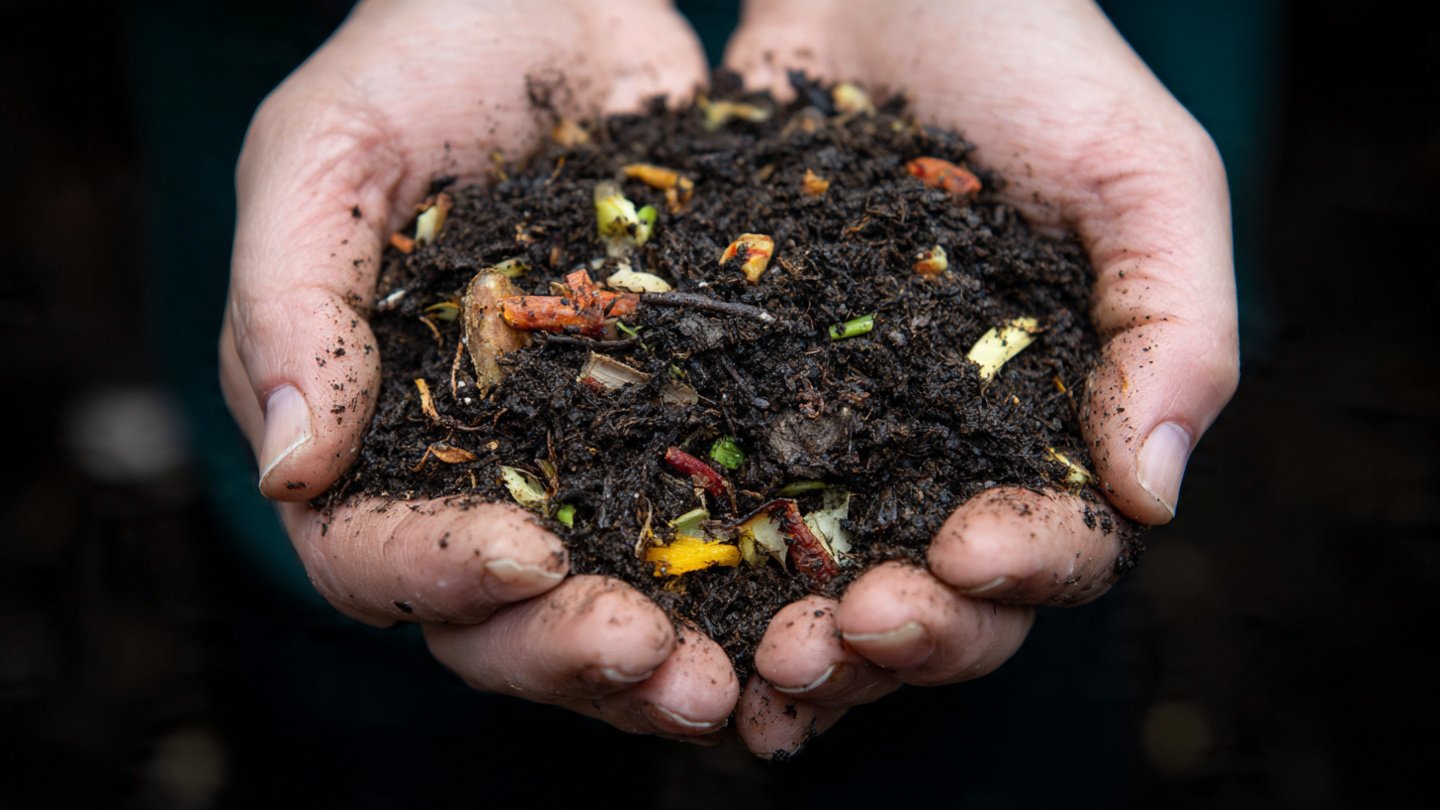
In an age of increasing environmental awareness, the idea of recycling kitchen waste has become more mainstream. Contributing to both a reduction in landfill waste and a boost in garden health, the practice of composting kitchen scraps is not merely an eco-friendly choice; it is a scientific necessity for healthy soil and thriving plants. Let’s explore how kitchen waste nourishes soil microbes, thereby promoting lush gardens and sustainable gardening practices.
Understanding Soil Microbiology
Soil is often thought of as a static medium for plant growth, but it is bustling with life. It’s home to countless living organisms, including bacteria, fungi, protozoa, and larger organisms like earthworms. Together, these microorganisms and macro-organisms play critical roles in nutrient cycling, organic matter decomposition, and soil health.
Microbes perform crucial tasks:
- Decomposition: Breaking down organic materials.
- Nutrient Cycling: Converting nutrients into forms accessible to plants.
- Soil Structure: Forming aggregates that help retain moisture and improve aeration.
When we incorporate kitchen waste into the soil, we introduce valuable organic materials that fuel these microscopic communities.
What Kitchen Waste Can Be Used?
-
Vegetable Scraps: Peels, husks, and leftover parts from vegetables like potatoes, carrots, and onions are rich in nutrients.

-
Fruits: Overripe or rotting fruits add sugars, enhancing microbial activity.
-
Eggshells: Rich in calcium, they can help in balancing pH levels in the soil.
-
Coffee Grounds: Full of nitrogen and beneficial microorganisms, coffee grounds can boost soil fertility.
-
Tea Leaves: Like coffee grounds, used tea leaves are also rich in nitrogen.
-
Grains and Pasta: Small amounts of leftover grains or pasta can decompose quickly and enrich the soil.
When composted correctly, kitchen waste serves as a powerhouse of nutrients that not only contribute to soil health but also enhance microbial diversity.
The Composting Process
When you compost kitchen waste, it undergoes a series of biological processes:
-
Aerobic Decomposition: Microorganisms break down organic matter, producing carbon dioxide, water, and simple organic compounds.
-
Anaerobic Decomposition: Occurring in low-oxygen environments, this process produces methane and organic acids, which can be beneficial when composting is done under the right conditions.
-
Thermophilic Phase: During this stage, temperatures can rise significantly as heat-loving bacteria break down materials. This phase can kill off pathogens and seeds from weeds.
-
Curing Phase: In this final stage, the compost matures and stabilizes, making nutrients available to plants.

The end result is nutrient-rich compost that can rejuvenate tired soils and provide the necessary conditions for microbial communities to flourish.
Benefits to Soil Microbes
Nutrient Availability
Kitchen waste is packed with nitrogen, phosphorus, potassium, and trace elements, all of which are fundamental for soil microbes. When kitchen scraps decompose, these nutrients are transformed into forms that microbes can utilize efficiently. A healthy microbial community can directly impact plant health by ensuring that nutrients are available when needed.
Enhanced Microbial Diversity
Different types of kitchen waste harbor a variety of microorganisms. For instance, while fruits may attract certain bacteria, vegetable scraps might attract fungi or actinomycetes. A diverse microbial community can help to balance soil nutrients, making nutrient cycling more efficient.

Improved Soil Structure
Microorganisms play a critical role in soil aggregation. As they break down organic matter, they produce glomalin, a substance that helps bind soil particles together. A well-structured soil improves aeration, drainage, and moisture retention, creating an ideal environment for plant roots to thrive.
Disease Suppression
A diverse and healthy microbial population can also suppress soilborne pathogens. When beneficial microbes dominate the ecosystem, they can outcompete harmful bacteria and fungi, reducing diseases that affect plants. This natural form of disease suppression can reduce the need for chemical inputs and contribute to a healthier garden ecosystem.
Practical Tips for Composting Kitchen Waste
Start Small
If you’re new to composting, begin by collecting kitchen scraps and gradually expand your composting efforts. A simple bin can be set up in your kitchen or backyard.
Balance the Ingredients
For optimal composting, balance “green” materials (rich in nitrogen, like fruit and vegetable scraps, coffee grounds) with “brown” materials (rich in carbon, like dried leaves, cardboard, and paper). A ratio of about 2:1 of brown to green materials is effective.
Aerate Your Compost
To ensure aerobic decomposition, regularly turn your compost pile to introduce oxygen. A well-aerated compost pile will heat up quickly, speeding up the decomposition process.
Monitor Moisture Levels

Compost materials should be kept moist but not saturated. The consistency should be similar to a damp sponge. If too dry, decomposition slows; if too wet, it could lead to foul odors.
Time and Patience
Composting takes time—sometimes several months to a year. Be patient and keep an eye on the composting process. A properly done compost pile will eventually turn into rich, dark soil.
Incorporating Compost into Your Garden
Once your compost is ready, it’s time to incorporate it into your garden:
-
Top Dressing: Spread a layer of compost over your garden beds. This provides nutrients directly to plants while also helping retain soil moisture.
-
Soil Amendment: Mix compost into the soil before planting to improve fertility and soil structure.
-
Compost Tea: For a liquid fertilizer, steep compost in water and use it to water your plants. This provides a quick nutrient boost.
-
Mulching: Use compost as a mulch around your plants to help retain moisture and suppress weeds while gradually enriching the soil.

Challenges and Considerations
While composting kitchen scraps offers myriad benefits, it isn’t without its challenges. Here are some considerations:
-
Odors: Improper composting can attract pests and emit foul odors. Ensure a balance of materials, adequate aeration, and proper moisture levels to avoid this.
-
Pest Issues: Attracting pests can be a concern, particularly with fruit scraps. Enclose your compost pile or bin to control unwanted visitors.
-
Non-biodegradable Waste: Avoid composting grease, dairy products, and meat, as they can attract pests and create odor issues.
-
Chemical Residues: If you’re using store-bought produce, be mindful of pesticides or fertilizers that could harm the microbial community in your compost.
Conclusion
Recycling kitchen waste is not just an environmentally responsible practice; it is a key element in nurturing the soil that feeds us. By understanding how kitchen scraps enhance soil microbes, gardeners can create a thriving garden ecosystem. The benefits extend beyond just plant growth; they encompass sustainable living, biodiversity, and soil health.
As we move toward more sustainable lifestyles, embracing composting can play a crucial role in our gardens and our planet. By turning kitchen waste into a treasure for our soils, we’re nurturing not just our gardens but also a sustainable future. Embrace composting; it’s a small step for your kitchen but a giant leap for your garden!