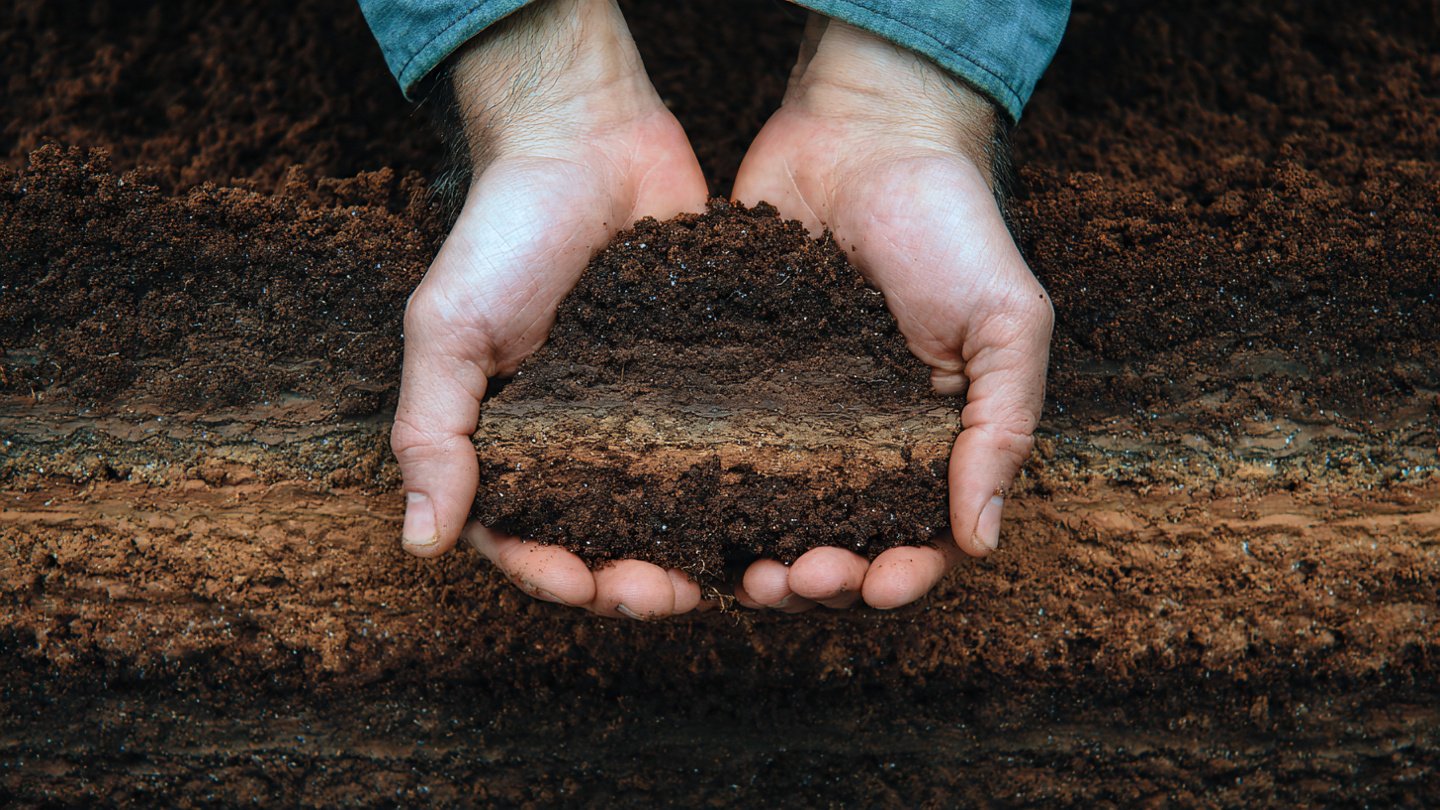
Soil is often considered the unsung hero of agriculture. It serves as a foundation for plant life, yet its complexity and importance are frequently overlooked. Understanding the various aspects of soil layering and how to enhance it can significantly impact your crop yields. This article aims to uncover the secrets of soil layering to maximize harvest potential.
Understanding Soil Layers
Soil is composed of different layers, commonly referred to as horizons, each with unique characteristics:
1. O Horizon (Organic Layer)
This topmost layer is primarily made up of organic matter, including decomposed leaves, plants, and organisms. Rich in nutrients and capable of retaining moisture, the O layer is crucial for seed germination and overall plant health.
2. A Horizon (Topsoil)
Beneath the O layer lies the A horizon, or topsoil, which is a mixture of organic matter and minerals. This layer is vital for plant growth and is typically dark in color. Its structure supports vigorous root systems and provides essential nutrients.
3. E Horizon (Eluviation Layer)
This layer is characterized by the leaching of minerals and nutrients, often leading to a paler appearance. While it may seem less important, it influences the A and B horizons by affecting the availability of nutrients.
4. B Horizon (Subsoil)
The B horizon accumulates minerals and nutrients leached from the upper layers. It generally has a denser structure and plays a critical role in supporting deeper-rooted plants. Understanding how to enhance this layer can lead to extraordinary yield improvements.
5. C Horizon (Parent Material)

The C horizon consists of weathered rock and organic material. This layer is crucial for the development of the upper horizons. Its composition can significantly influence the soil’s final properties.
6. R Horizon (Bedrock)
Finally, the R horizon is the solid bedrock beneath the soil layers. It serves as the foundation upon which all other layers rest.
Understanding these layers is essential for farmers and gardeners seeking to optimize their soil health. Each layer plays a unique role in nutrient availability, moisture retention, and overall plant growth.
The Importance of Soil Layering
Soil layering refers to the arrangement of different horizons and their interaction. The health of your soil is directly linked to how well these layers complement one another.
-
Nutrient Management: Different layers serve distinct functions in nutrient cycling. The O and A horizons are rich in organic material, while the B horizon contains minerals leached from above. A healthy balance between these layers ensures adequate nutrient availability for plants.
-
Water Retention and Drainage: Soil layering impacts how water moves through the soil profile. Properly layered soils can significantly enhance water retention while preventing waterlogging, a common problem that can lead to poor plant health.
-
Aeration: Different soil textures within the layers—clay, silt, sand—affect aeration levels. Well-aerated soils allow plant roots to access oxygen, promoting healthy growth.
-
Soil Microbial Activity: Layering creates diverse habitats for soil microorganisms that contribute to soil fertility. Microbial life helps break down organic material, making nutrients more available for plants.

Enhancing Soil Layers for Maximum Yields
With a fundamental understanding of soil layers, the next step is to enhance these layers to achieve maximum harvest yields.
1. Amending the O and A Horizons
To boost organic content in the O and A horizons:
-
Add Organic Matter: Incorporate compost, aged manure, or cover crops into the soil. This practice not only adds nutrients but also improves soil structure and moisture retention.
-
Mulching: Applying a layer of organic mulch can help retain moisture, suppress weeds, and slowly add organic material as it decomposes.
-
Soil Testing: Regular soil tests can help identify nutrient deficiencies, allowing you to correct them effectively.
2. Managing the E Horizon
While less often discussed, the E horizon can also be managed:
-
Buffer Strips: Planting buffer strips or cover crops can reduce nutrient leaching and enhance nutrient retention in upper layers.
-
Prevent Soil Erosion: Utilize practices such as contour farming and terracing to minimize erosion and protect the integrity of the E horizon.

3. Enlarging the B Horizon
Optimizing the subsoil can be more complex but is crucial for maximizing yield:
-
Deep Tillage: Sometimes, deep tillage or subsoiling can break up compacted layers, allowing roots to penetrate deeper and access more nutrients.
-
Mineral Amendments: Depending on soil tests, adding rock phosphate or lime can enhance nutrient levels within the B horizon.
-
Crop Rotation: Implementing crop rotation can stimulate microbial activity and improve soil structure, ultimately benefiting the deeper layers.
4. Promoting C Horizon Health
While the C horizon isn’t directly involved in plant growth, its health affects the upper layers:
-
Mulching: This not only serves to improve the O and A horizons but can also encourage the weathering processes in the C layer.
-
Soil Conservation Practices: Using cover crops and integrated pest management can enhance the nutrients leaching from the C layer.
Utilizing Conservation Techniques
Implementing conservation farming techniques can maximize soil health and, by extension, crop yields. Some effective strategies include:
1. No-Till Farming
No-till farming minimizes soil disturbance and can enhance the health of the soil layers. It helps preserve organic matter and reduces erosion, thereby protecting the rich O and A horizons.
2. Cover Crops
Cover crops offer a multitude of benefits. They protect the soil from erosion, improve soil structure, and enhance nutrient cycling. Leguminous cover crops, for example, can add nitrogen to the soil and improve the overall nutrient profile.
3. Crop Rotation
By rotating crops, you can prevent nutrient depletion that might occur from planting the same crop repeatedly. Different plant species have varied nutrient needs, which allows for a more balanced utilization of the soil’s resources.
4. Integrated Pest Management (IPM)
IPM techniques help minimize the use of synthetic pesticides, promoting a healthier ecosystem within the soil. This, in turn, supports the diverse microbial communities essential for nutrient cycling.
Best Practices for Long-Term Soil Management
To truly unlock the secrets of soil layering and maximize harvest yields, it’s important to adopt a long-term perspective on soil management:

-
Regular Soil Testing: Conduct soil tests at least annually to monitor nutrient levels and pH, allowing for timely amendments.
-
Maintain Diverse Plant Communities: Diversity among plant species enhances soil health and resilience against pests and diseases.
-
Educate Yourself: Stay informed about new agricultural practices and technologies that can further enhance your soil management strategies.
-
Partner with Experts: Consider collaborating with soil scientists or agricultural extension services to develop and implement effective soil management plans.
-
Be Patient, Yet Consistent: Soil health is built over time. Consistent practices yield better results than short-term fixes.
Conclusion
Unlocking the secrets of soil layering can lead to remarkable increases in agricultural yields. By understanding and enhancing each layer of your soil—particularly the O, A, and B horizons—you can create a living ecosystem conducive to robust plant growth. Implementing sustainable practices such as no-till farming, cover cropping, and rotational planting will not only optimize your soil’s health but also contribute to overall agricultural sustainability.
The journey toward maximum harvest yields is not just about what you plant but also about fostering a rich, diverse, and well-managed soil ecosystem. By investing time and effort into both understanding and enhancing soil layers, you pave the way for abundant harvests for years to come.