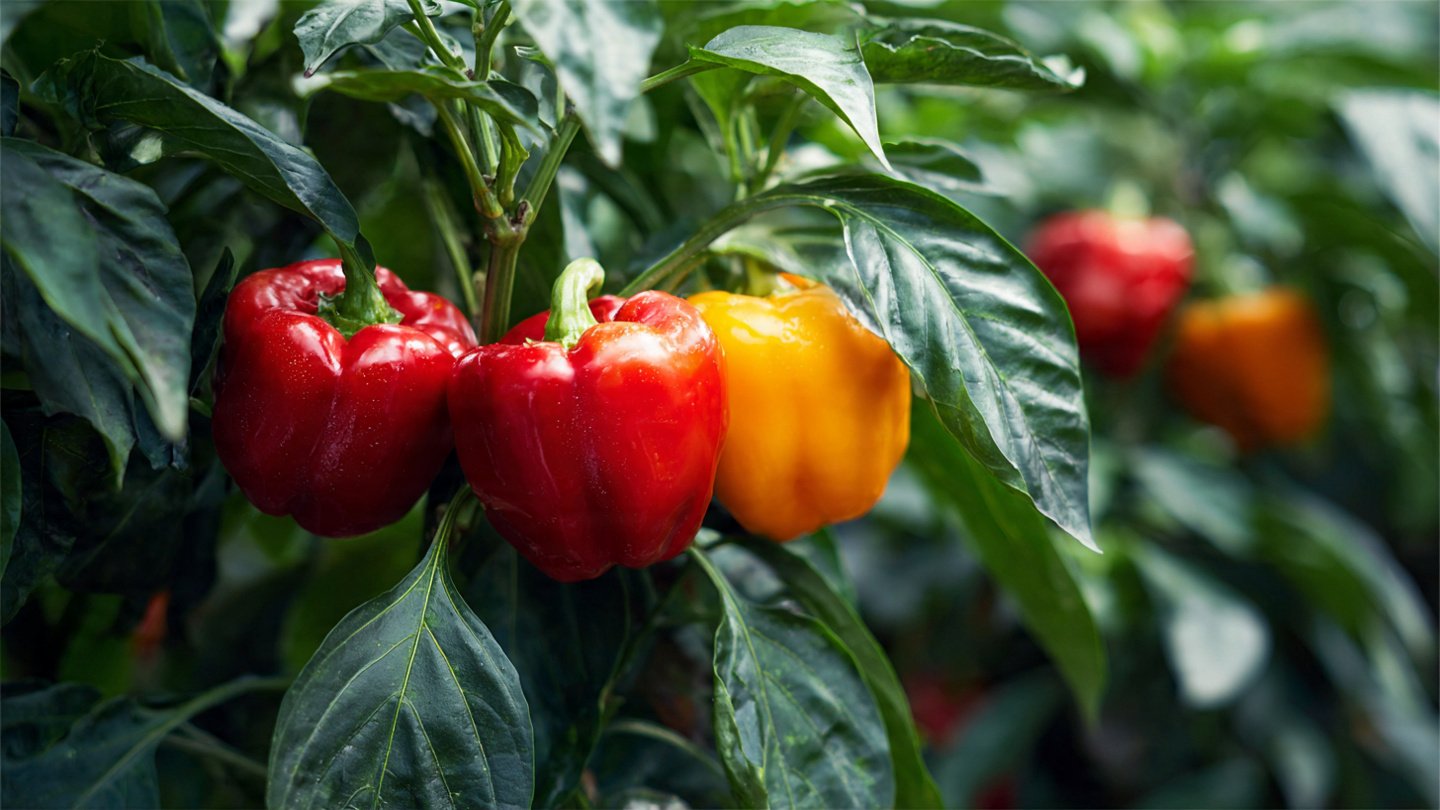
Pepper plants, whether sweet or hot, require careful attention to thrive. Among the various horticultural practices that can improve the health and yield of pepper plants, pruning stands out as a crucial strategy. Pruning not only promotes better growth but also enhances fruit production and can even help prevent diseases. In this article, we’ll explore effective pruning strategies for your pepper plants, the benefits of these methods, and tips for successful implementation.
Understanding Pruning
Pruning involves the selective removal of plant parts such as branches, buds, or roots. For pepper plants, effective pruning can help to:
- Improve air circulation.
- Enhance sunlight exposure.
- Encourage the growth of healthy foliage.
- Stimulate fruit production.
- Reduce the risk of disease.
When to Prune Your Pepper Plants
The timing of pruning is critical for optimal growth. Here are key stages when you should consider pruning your pepper plants:
1. Early Growth Stage
During the seedling stage, it’s essential to foster strong plants. You may want to pinch off the top of young plants once they reach about 6 inches in height. This encourages lateral growth and helps establish a bushy shape.
2. Flowering Stage
Once your pepper plants begin to flower, it becomes crucial to prune wisely. Remove any poorly developed flowers to allow the plant to redirect its energy towards developing stronger, healthier fruits.

3. Harvesting Season
After your first harvest, assess the plants for any damaged or overgrown branches. Pruning at this time can rejuvenate the plant for subsequent harvests, encouraging new growth.
Effective Pruning Techniques
Here are some effective pruning techniques to enhance the growth of your pepper plants:
1. Pinching
Pinching refers to the removal of the growing tips of a plant. For pepper plants, this involves using your fingers or pruning shears to remove the stem tips to encourage branching. Pinching should ideally occur when the plant reaches about 6-8 inches in height.
2. Thinning
Thinning involves removing some of the stems or branches selectively. This is beneficial for removing dense clusters of leaves or stems, allowing better air circulation and light penetration. Focus on eliminating weaker stems while retaining the healthiest ones.
3. Deadheading
Deadheading refers to the removal of spent flowers. In the case of pepper plants, it can help redirect energy to new flower growth. This ensures that the plant focuses on producing healthier and more robust peppers.

4. Topping
Topping is similar to pinching but involves cutting back the stem to a lower node, encouraging growth from the remaining side branches. This technique can be especially useful for managing the height of tall pepper plants and promoting a bushier appearance.
Benefits of Pruning
Pruning offers numerous benefits for pepper plants:
- Improved Yields: By directing the plant’s energy towards fruit-bearing branches, pruning can lead to increased harvests.
- Healthier Plants: Pruning helps remove diseased or damaged parts of the plant, reducing the risk of spread and fostering overall health.
- Better Sunlight Exposure: An open canopy allows for ample sunlight to penetrate, which is crucial for photosynthesis and fruit development.
- Enhanced Air Circulation: Proper pruning improves airflow, reducing humidity levels around the plant, which helps prevent fungal diseases.
How to Prune Your Pepper Plants
Follow these steps to prune your pepper plants effectively:
1. Gather the Right Tools
Ensure you have clean, sharp pruning shears, gloves, and, if necessary, a pair of gardening scissors. Clean tools help prevent the transfer of diseases between plants.
2. Assess the Plant
Look for areas that need attention. Identify any weak, damaged, or crowded branches and flowers. It can be helpful to visualize how you want the final shape of the plant to look.

3. Make Pruning Cuts
Use your shears to make clean cuts just above a node or leaf junction. Avoid tearing or crushing the stems, as this can lead to disease.
4. Clean Up
After pruning, clear away any debris, particularly diseased foliage, from the area around the plant. This helps reduce the likelihood of pests and diseases.
Common Mistakes to Avoid
Even experienced gardeners can make mistakes when pruning pepper plants. Here are some common pitfalls to avoid:
- Pruning Too Late: Delaying pruning can hinder the plant’s growth and flowering capacity.
- Over-Pruning: Removing too many branches can shock the plant and decrease yields.
- Using Dull Tools: Blunt tools can crush stems and lead to infections. Always ensure your tools are sharp.
- Ignoring Plant Health: Always assess your plant’s overall health and needs before making any cuts.
Conclusion
Effective pruning strategies can significantly enhance the health and productivity of your pepper plants. Implementing techniques such as pinching, thinning, and deadheading improves air circulation and encourages a robust harvest. It’s essential to understand when and how to prune to maximize the benefits while avoiding common pitfalls. With these strategies in hand, you can foster a flourishing pepper garden that yields delicious fruits for your culinary adventures.
FAQs
1. How often should I prune my pepper plants?
Generally, you should prune your pepper plants at key growth stages: early growth, flowering, and after harvesting. Regular assessments throughout the growing season are also beneficial.

2. What tools do I need for pruning?
A pair of sharp pruning shears is typically sufficient. You may also require gardening gloves for protection and cleaning tools to prevent disease spread.
3. Can I prune my pepper plants too early?
Yes, pruning too early can remove essential plant growth that contributes to the overall health and fruit production. Wait until the plants are well-established before pruning.
4. Should I prune my pepper plants in the fall?
It’s generally best to prune in the growing season. However, if you notice significant damage or disease in the fall, you can trim affected areas to help the plant recover.
5. What should I do with the cuttings?
Cuttings should be disposed of, especially if they show signs of disease. Compost healthy trimmings if they are free of pests and diseases, as this can enrich the soil.
