Why Grow Fruit at Home?
There are several reasons why homegrown fruit is more than just a trend:
- Freshness & Nutrition: Nothing beats the flavor and nutrient content of fruit harvested straight from your own plants.
- Chemical-Free Produce: You control what goes into your soil and onto your plants, allowing you to grow organically.
- Therapeutic and Rewarding: Gardening improves mental well-being, reduces stress, and provides a satisfying hobby.
- Perfect for Small Spaces: Modern gardening techniques make it possible to grow fruit even in apartments or limited outdoor areas. (The Spruce)
With these benefits in mind, it’s no surprise that many urban gardeners are turning rooftops, terraces, and balconies into productive fruit gardens.
Easy and Delicious Fruits to Grow at Home
Here are some of the most beginner-friendly, high-yield fruit options:
1. Indoor Citrus Trees
Citrus plants like lemon, lime, and orange trees thrive in pots and indoors. They require bright light and regular watering and can produce fragrant flowers and delicious fruit. Miniature varieties like Meyer lemons are especially suited for indoor growing. (Martha Stewart)
2. Dwarf Cherry Trees
Dwarf cherries are ideal for small gardens or container growth. They offer beautiful spring blossoms and sweet fruit during summer. Proper pruning and sunlight ensure consistent yields. (Southern Living)

3. Mulberries
Mulberries are low-maintenance fruit trees that produce sweet, berry-like fruits in abundance. They are tolerant of various soil types and require minimal care once established, making them perfect for beginners. (Ideal Home)
4. Berries (Strawberries, Raspberries, Blackberries)
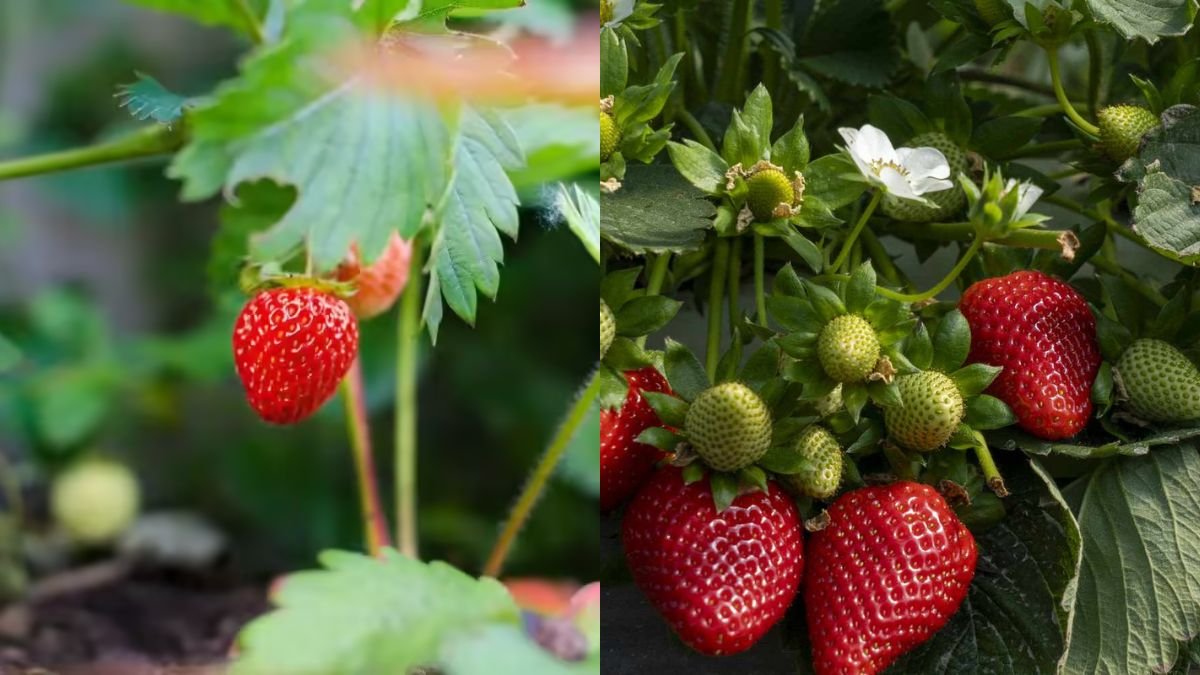
Berries are highly adaptable and flourish in pots, raised beds, or hanging baskets. They produce frequent harvests and are ideal for small spaces. Strawberries, in particular, can fruit multiple times in a season. (Chowhound)
5. Dwarf Apple and Pear Trees
Dwarf varieties of apples and pears are self-fertile and can be grown in containers or small plots. They produce consistent fruit and require minimal cross-pollination, making them perfect for home gardens. (The Spruce)
Getting Started: Choosing the Right Spot
To ensure your fruit plants thrive, consider these key factors:
Sunlight
Most fruit plants need 6–8 hours of sunlight per day. Place containers or trees in a bright location, either on a balcony, terrace, or near large windows indoors.

Containers and Soil
Use pots with drainage holes and a well-draining potting mix enriched with compost. This promotes healthy root growth and prevents waterlogging.
Watering
Keep the soil consistently moist but avoid overwatering. Mulching around the base of plants helps retain moisture, reduces weeds, and maintains soil temperature.
Space Management
Even in small spaces, proper spacing between plants is essential to avoid overcrowding and ensure air circulation, which reduces pest and disease risk.
Tips for Maximizing Fruit Production
To achieve abundant harvests, follow these expert-recommended practices:
1. Fertilize Regularly
Feed plants with organic compost or balanced fertilizers every 2–3 weeks. This supports both foliage and fruit development. Nitrogen encourages healthy leaves, while phosphorus and potassium boost flowering and fruiting.

2. Prune for Health and Productivity
Prune excess branches early in the season to improve sunlight penetration, airflow, and fruit size. Removing dead or weak branches allows the plant to focus energy on producing larger, healthier fruits.
3. Support Vining Plants
Plants like tomatoes, berries, and certain dwarf fruit trees may require stakes, trellises, or cages to support fruit-laden branches. Proper support prevents stem breakage and ensures better air circulation.
4. Encourage Pollination
For fruit set, some plants require pollination. Outdoor plants benefit from bees and insects, but you can hand-pollinate indoor fruit trees using a soft brush or by gently shaking flowers to distribute pollen.
5. Pest Management
Regularly inspect plants for pests like aphids, mites, or caterpillars. Natural remedies like neem oil, soapy water sprays, or companion planting (basil near tomatoes or marigolds near berries) are effective and safe.
Indoor Fruit Gardening
You don’t need a garden to grow fruit. Many indoor-friendly fruit trees produce abundant harvests in small spaces. Options include:

- Citrus trees (Meyer lemons, oranges, limes)
- Mini apples or pears
- Pineapple plants
- Fig trees
With grow lights or bright south-facing windows, even apartment dwellers can enjoy fresh, homegrown fruit. (Martha Stewart)
Common Mistakes to Avoid
- Overcrowding — Not enough space leads to poor growth and smaller fruits.
- Overwatering or Underwatering — Both can damage roots and reduce fruiting.
- Ignoring Fertilization — Nutrient deficiencies impact fruit quality and yield.
- Neglecting Pruning and Support — Unpruned plants or unsupported branches yield less fruit.
- Poor Sunlight Exposure — Most fruits need full sun; insufficient light reduces flowers and fruit.
Harvesting Tips
- Pick fruit when it reaches full color and firmness depending on the species.
- For continuous production, harvest ripe fruit regularly to encourage new flowers.
- Timing is key: most home-grown fruit reaches maturity within 1–3 years depending on variety and care.
Success Stories: Abundant Home Fruit
Recent gardening reports highlight urban gardeners producing hundreds of fruits from container setups on rooftops or balconies. From dwarf citrus trees yielding dozens of lemons to mulberries producing large, sweet harvests, home gardeners are discovering that small spaces can deliver big results. (India Times)
Authoritative Sources for Guidance
For further reading and expert tips, consult:
- Martha Stewart Gardening – Indoor and container fruit trees (marthastewart.com)
- The Spruce – Dwarf fruit tree cultivation and container gardening (thespruce.com)
- Ideal Home – Mulberry and low-maintenance fruit growing (idealhome.co.uk)
- Chowhound – List of easy-to-grow fruits for beginners (chowhound.com)
These sources offer research-based and practical advice for all skill levels.
Conclusion
Growing fruit at home is rewarding, delicious, and surprisingly easy with the right approach. From container-friendly citrus and dwarf fruit trees to berries and mulberries, there’s something suitable for every gardener, even beginners. By providing proper sunlight, water, soil, and care, you can enjoy a continuous, abundant harvest right from your balcony, terrace, or backyard.

With modern gardening techniques and easy-to-grow varieties, it’s now possible to have too much fruit … in the most delightful way. Start small, choose your favorite plants, and watch your home garden transform into a productive, tasty paradise.