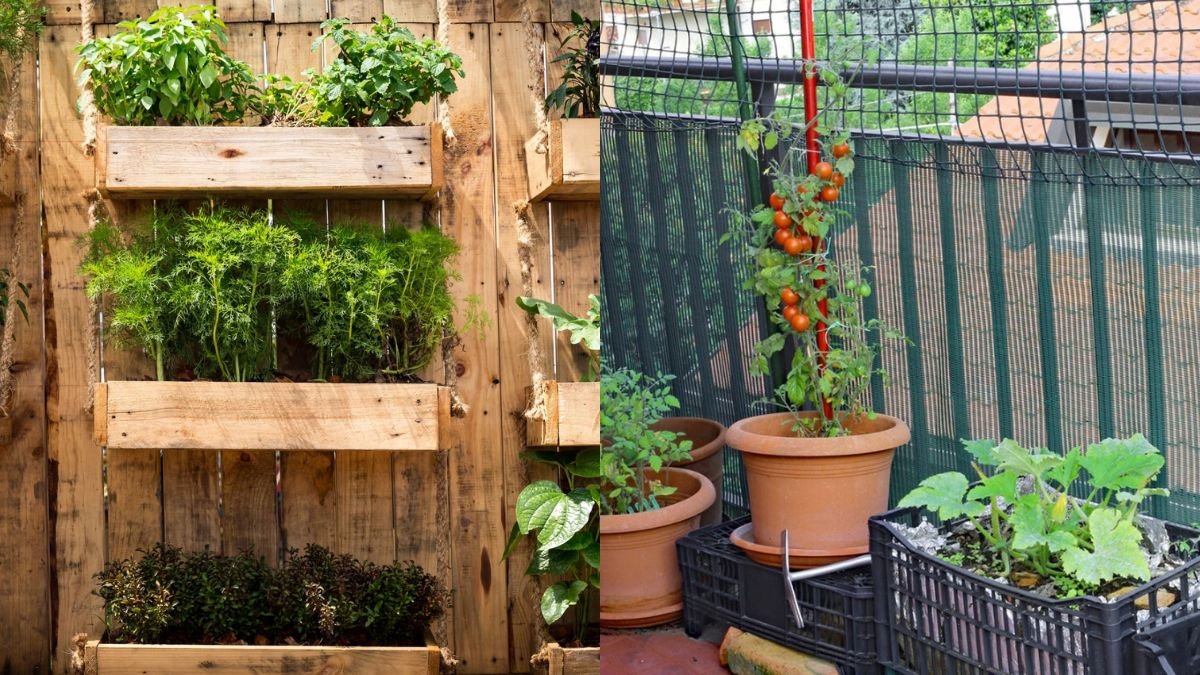
Why Wall Vegetable Gardens Are a Game-Changer
Wall vegetable gardens, also known as vertical gardens or green walls, are gaining popularity for several reasons:
1. No Need for a Backyard
One of the biggest advantages is that you don’t need a traditional garden or outdoor space. By using vertical space, walls, or balcony railings, even urban apartment dwellers can grow vegetables efficiently. This makes gardening accessible to everyone, regardless of home size. (organic.vegroof.com)
2. Freshness and Nutrition
Homegrown vegetables are harvested at peak ripeness, ensuring maximum flavor and nutrients. Whether it’s leafy greens, tomatoes, or herbs, having a wall garden allows you to pick and consume fresh produce daily.
3. Aesthetically Pleasing
A lush, green wall instantly improves the appearance of your home. Cascading plants, colourful flowers, and leafy vegetables create a vibrant, lively backdrop that doubles as décor.
4. Economical
Once installed, a wall garden can significantly reduce your dependence on market-bought vegetables. Frequent staples such as spinach, coriander, chilies, and cherry tomatoes can be grown at home, saving money in the long run.

5. Environmentally Friendly
Growing vegetables on walls reduces carbon emissions associated with transporting produce from farms to markets. Additionally, kitchen waste can be composted to enrich the soil, creating a fully sustainable system.
Understanding a Wall Vegetable Garden
A wall vegetable garden involves growing edible plants vertically using various systems, such as:
- Vertical racks or modular planters
- Hanging pots and baskets
- Fabric or felt pocket gardens
- DIY PVC or gutter systems
- Trellises for climbing plants
This setup is highly space-efficient, making it possible to grow multiple vegetables even in limited areas like narrow walls, terraces, or balcony edges. Vertical gardening also improves sunlight exposure and air circulation, which are essential for plant growth. (organic.vegroof.com)
Benefits of Growing Vegetables on a Wall
Maximize Space
Unused walls can now serve as productive green spaces. Vertical gardens allow you to grow more plants per square foot compared to traditional horizontal gardening.
Convenience
Having vegetables just steps away from your kitchen makes daily care, watering, and harvesting easier. You don’t need to transport plants or produce long distances.

Eco-Friendly
Wall gardens encourage sustainable living. They reduce food miles, minimise packaging waste, and make composting kitchen scraps easy, creating a closed-loop system.
Family Engagement
Wall gardens provide opportunities for family bonding. Children and adults alike can learn about planting, nurturing, and harvesting vegetables, promoting environmental awareness.
Urban Farming Trend
Cities like Ahmedabad, Surat, and Rajkot are seeing a surge in wall and balcony gardening initiatives. Families are growing tomatoes, chilies, leafy greens, and herbs on walls and terraces, proving that you don’t need a yard to produce your own food. (organic.vegroof.com)
Choosing the Right Wall
When selecting a wall for vertical gardening, consider:
- Sunlight: Most vegetables need 4–6 hours of sunlight per day. South-facing walls are ideal in northern hemispheres.
- Support: Ensure the wall can support planters, racks, or trellises safely.
- Access: Position the wall so you can reach all plants easily for watering, pruning, and harvesting.
Types of Wall Gardening Systems
1. Modular Vertical Planter Racks
Stackable boxes or pockets allow multiple vegetables to grow in layers. They are ideal for leafy greens, herbs, and shallow-rooted vegetables.

2. Hanging Pots and Baskets
Suspended from hooks or ceilings, hanging pots are perfect for trailing plants like cherry tomatoes, beans, and herbs. They add a decorative touch while being fully functional.
3. Fabric Pocket Gardens
Felt or fabric pockets attached to walls can house small vegetables and herbs. Lightweight and easy to maintain, these systems are ideal for small spaces.
4. DIY PVC or Gutter Systems
Repurposed rain gutters or PVC pipes can be mounted horizontally to grow vegetables like radishes, lettuce, and green onions. They are affordable and easy to customize.
5. Trellises and Climbing Nets
For vining plants such as cucumbers, peas, and beans, vertical supports allow them to grow upwards, saving space and improving yields.
Best Vegetables for Wall Gardens
Vertical gardening works best with compact, fast-growing, and lightweight plants:

- Leafy Greens: Spinach, lettuce, kale, fenugreek
- Herbs: Coriander, basil, mint, oregano
- Compact Fruit Vegetables: Cherry tomatoes, bell peppers, chilies
- Root Vegetables: Radishes, spring onions
- Optional Exotic Crops: Strawberries, dwarf pineapples, or other small fruit varieties (organic.vegroof.com)
Step-by-Step Guide to Building a Wall Vegetable Garden
Step 1: Select the Wall
Choose a wall that receives sufficient sunlight, is structurally sound, and is easy to access.
Step 2: Decide the Gardening System
Select a system suitable for your wall and budget — modular racks, hanging pots, pockets, or DIY gutters.
Step 3: Prepare the Soil
Use lightweight, nutrient-rich potting soil blended with compost. Ensure good drainage to prevent waterlogging and root rot.
Step 4: Plant Selection
Choose vegetables suited for vertical growth. Mix leafy greens, herbs, and compact fruit vegetables to maximize space and yield.
Step 5: Watering
Vertical systems dry out faster than traditional beds. Water consistently but avoid overwatering. A drip irrigation system can make care easier.

Step 6: Maintenance
Prune plants regularly, remove yellow or dead leaves, and monitor for pests. Rotate crops as needed to maintain soil health and plant productivity.
Real-Life Examples
- Gujarat Urban Families: Residents are turning terraces and walls into vertical gardens producing leafy greens, herbs, and tomatoes. These gardens are reducing grocery costs while teaching children about sustainability. (organic.vegroof.com)
- Uttar Pradesh Vertical Gardening Initiatives: Families in small apartments are using wall towers to grow chilies, spinach, and coriander successfully, proving that vertical gardening can feed a household. (organic.vegroof.com)
- Global Trend: Advanced vertical farming systems worldwide now allow urban populations to grow diverse crops, even rice and wheat, on walls and vertical platforms. (kisantak.in)
Expert Tips
- Assess Light and Shade: Place the wall garden where sunlight is abundant. Rotate or adjust planters if sunlight is uneven.
- Optimize Watering: Ensure each planter has drainage and consider installing a drip irrigation system for convenience.
- Use Organic Fertilizers: Compost and natural fertilizers improve soil health and vegetable quality.
- Protect Plants from Weather: Use shade nets in extreme heat or wind to safeguard delicate vegetables.
- Monitor Pests Naturally: Introduce companion plants or use organic pest deterrents to keep your garden healthy.
Authoritative Resources
- The Guardian: Expert insights on vertical and balcony gardening. (theguardian.com)
- Good Housekeeping: DIY ideas for small-space and wall gardening. (goodhousekeeping.com)
- Organic Veg Roof: Case studies and guidance for vertical vegetable gardening in urban India. (organic.vegroof.com)
Final Thoughts
You don’t need a backyard to enjoy fresh, homegrown vegetables. With the right planning and vertical gardening system, even a small wall can provide a lush, productive vegetable garden. From leafy greens and herbs to tomatoes and chilies, vertical wall gardens maximize space, reduce costs, and enhance the beauty of your home. Urban families are embracing this solution, transforming bare walls into green, edible landscapes — a perfect demonstration of