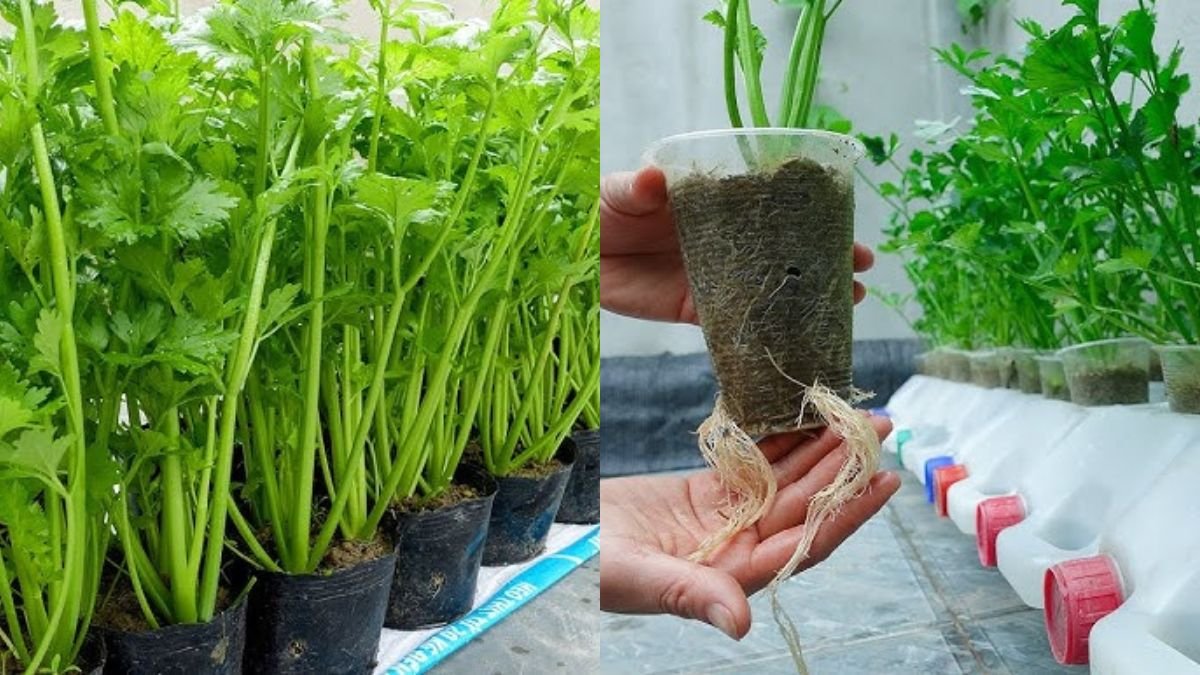
Celery is a crisp, nutrient-rich vegetable used in salads, soups, juices, and countless recipes worldwide. Traditionally, it has been considered somewhat finicky to grow, requiring consistent moisture, cooler temperatures, and fertile soil. However, recent gardening trends have made celery cultivation accessible to everyone—even those without a garden. By using simple methods such as container gardening, regrowing from scraps, and hydroponics, anyone can enjoy fresh celery right from their kitchen, balcony, or windowsill.
Urban gardeners and beginners are especially embracing these techniques, as celery grows successfully in small, controlled environments without the need for traditional garden plots. These methods save space, reduce costs, and offer a sustainable way to enjoy a steady supply of homegrown produce. (bademiya.org)
🧠 Why Growing Celery at Home Is a Game Changer
There are several compelling reasons to start growing celery at home, particularly when it can be surprisingly easy.
1. Healthier Produce
Homegrown celery is free from pesticides and other chemicals often found in store-bought vegetables. You control every aspect of its growth, resulting in fresh, safe, and nutritious stalks. (thegardenmagazine.com)
2. Cost Savings
Organic celery can be expensive and has a short shelf life. By growing your own, you save money while ensuring a continuous supply of crisp, fresh stalks. (bademiya.org)

3. Sustainability
Growing celery at home reduces the need for packaging and transport associated with store-bought vegetables, making it an eco-friendly choice. (bademiya.org)
4. Space Efficiency
Celery doesn’t require a large garden. It thrives in containers, plastic bottles, or water-based hydroponic setups, making it ideal for small apartments, kitchens, or balconies. (bademiya.org)
🪴 Beginner-Friendly Methods to Grow Celery
Several simple methods allow you to grow celery without a traditional garden. Each technique is beginner-friendly and requires minimal space or resources.
1. Regrowing Celery from Scraps
Regrowing celery from scraps is one of the easiest and most satisfying methods:
Steps:

- Cut the bottom 2–3 inches off a fresh celery bunch.
- Place the base in a shallow bowl of water, cut side up.
- Change the water every 1–2 days to prevent stagnation.
- Within a week, small roots and shoots will begin to appear.
Once the roots are well-established and new growth is visible, you can either continue growing celery in water or transplant it into soil for faster and more robust growth. This method is perfect for windowsills and requires almost no additional investment. (healthy-juice.co)
2. Container Gardening
Containers are another effective way to grow celery at home:
Requirements:
- A pot at least 8–12 inches deep with drainage holes
- Rich, well-draining potting soil mixed with organic compost
- Consistent watering to maintain moisture
Celery has shallow roots, so a container allows you to control soil quality, moisture, and nutrient availability. Place the container in a sunny spot, water regularly, and provide occasional fertilization to ensure healthy, vigorous growth. (erragaddasundaymarket.com)
3. Plastic Bottle Gardening
Plastic bottle gardening is creative, inexpensive, and space-efficient:

Steps:
- Repurpose 1–2 liter plastic bottles by cutting them to create small containers.
- Fill the bottles with a lightweight soil and compost mix.
- Plant celery seeds, seedlings, or rooted scrap bases.
- Place bottles in a sunny location for 4–6 hours of light per day.
This method is ideal for balconies, kitchens, or small patios and helps reduce plastic waste while maximizing growing space. (maheshlunchhome.org)
4. Hydroponic or Water-Based Growth (Soil-Free)
Hydroponics is an innovative approach that eliminates the need for soil entirely:
Steps:
- Place celery in a container filled with nutrient solution.
- Support the plant using net pots or grow media like clay pellets.
- Ensure roots are immersed in nutrient-rich water while leaves receive adequate light.
The Kratky hydroponic method is especially beginner-friendly, requiring no pumps or electricity. It allows for controlled growth indoors and produces consistent, healthy plants. (markets.chroniclejournal.com)

☀️ Care Tips for Homegrown Celery
Proper care ensures that your celery grows strong and flavorful, regardless of the method:
1. Light
Celery requires 4–6 hours of indirect or partial sunlight daily. Supplement with grow lights if needed. (shaniwarwada.org)
2. Watering
Keep soil or hydroponic solution consistently moist. Celery does not tolerate dry conditions but avoid waterlogging, which can cause root rot. (erragaddasundaymarket.com)
3. Fertilization
If growing in soil, mix in organic compost or apply a balanced liquid fertilizer every few weeks. For hydroponics, ensure the nutrient solution is replenished as needed. (plantisima.com)
4. Temperature
Celery prefers cool to moderate temperatures and grows best in stable conditions. Avoid exposing plants to extreme heat or frost. (homesandgardens.com)

⚠️ Common Mistakes to Avoid
- Using old or wilted celery for regrowth: Always choose fresh, firm bases.
- Drying out the soil: Monitor moisture carefully, especially in small containers.
- Insufficient light: Without adequate sunlight, celery becomes weak and spindly.
- Planting too deep: Only cover the root portion when transplanting into soil.
📌 Authoritative Sources
- Better Homes & Gardens – Regrowing Celery from Scraps: Step-by-step indoor regrowth. (bhg.com)
- Homes & Gardens – How to Grow Celery from a Stalk: Practical planting advice. (homesandgardens.com)
- Bob Vila – Celery Container Gardening: Tips for healthy stalks in containers. (bobvila.com)
- KratkyCelery.com – Hydroponic Celery: Soil-free indoor growing. (markets.chroniclejournal.com)
🥗 Final Thoughts
Growing celery at home is simpler than most people realize, and it can be done without a garden. Methods like regrowing from scraps, container planting, plastic bottle gardens, and hydroponics make it accessible to beginners, urban dwellers, and anyone seeking fresh, sustainable produce.
With consistent water, light, and nutrients, even small indoor spaces can produce healthy, crisp celery for salads, soups, and smoothies. Whether you’re saving money, reducing waste, or simply enjoying the satisfaction of homegrown food, celery is one of the easiest and most rewarding vegetables to grow indoors.