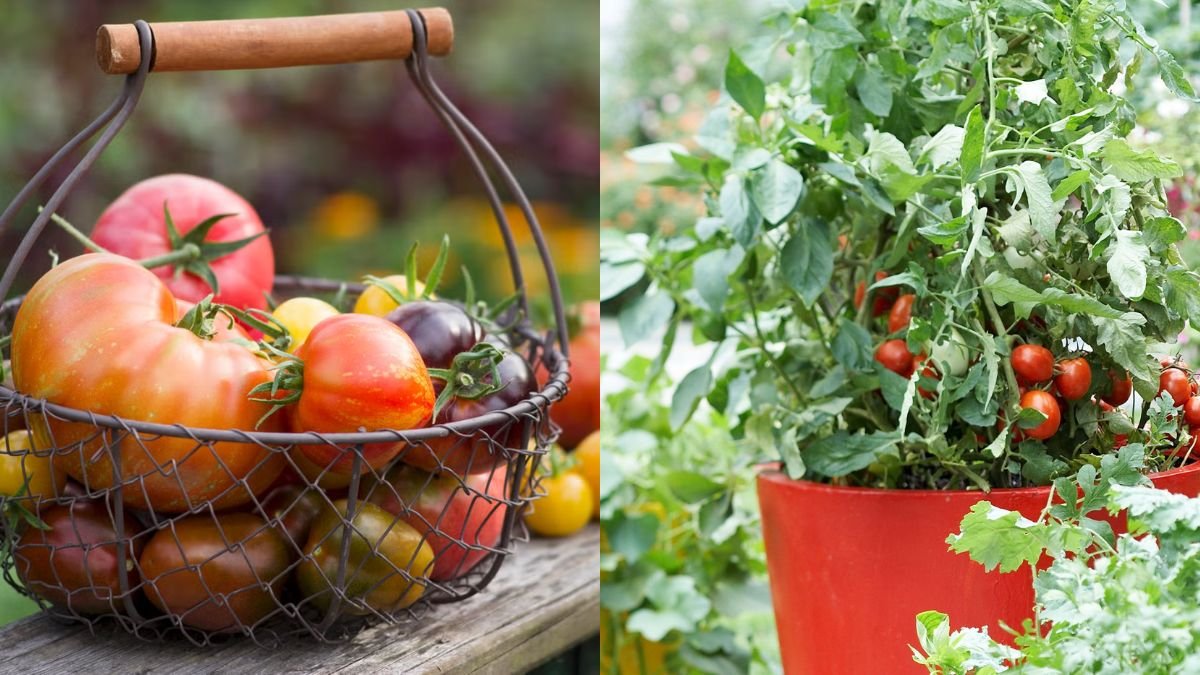
Latest Trends in Out-of-Season Tomato Growing
Recent gardening news highlights several methods that make off-season tomato cultivation accessible and successful for home gardeners:
- Greenhouses and High Tunnels: Gardeners are extending the growing season by using protective structures like greenhouses and high tunnels. These create warmer microclimates, shield plants from frost, and allow for continuous fruiting even when outdoor temperatures drop. (sdnewswatch.org)
- Pop-Up Greenhouses: For small backyards and balconies, portable pop-up greenhouses provide extra warmth and shelter for tomato plants. These affordable structures enable gardeners to continue producing tomatoes long after the typical growing season ends. (homesandgardens.com)
- Propagation and Continuous Harvests: Some gardeners propagate tomato plants from cuttings, creating new plants continuously. This ensures a steady supply of productive tomatoes throughout the year. (bhg.com)
These methods demonstrate that with a few adjustments, it is possible to maintain a productive tomato garden regardless of season.
Choosing the Right Tomato Varieties
The first step in out-of-season growing is selecting varieties suited for extended or indoor production. Not all tomato types perform well outside their normal season:

- Dwarf or patio varieties are perfect for container gardening and indoor growing. They remain compact while producing plenty of fruit.
- Cherry and grape tomatoes often thrive in cooler conditions and produce fruit abundantly.
- Determinate varieties are ideal for smaller spaces, while indeterminate types may require more care but can yield fruit over a longer period.
When choosing seeds, look for varieties labeled as fast-maturing or short days-to-fruit, which ensures quicker harvests even in lower light conditions. (homesandgardens.com)
Using Greenhouses and Mini-Greenhouses
Greenhouses are among the most effective ways to grow tomatoes out of season. Even an unheated greenhouse can extend fruiting into early winter or late fall by maintaining warmer temperatures than the outdoors.
Pop-up greenhouses are particularly useful for small spaces. These portable units provide shelter from wind and cold while allowing sunlight to reach the plants. Even limited light during winter can sustain flowering and fruiting with proper care.

Tips for greenhouse success:
- Maintain daytime temperatures around 21–27°C and night temperatures above 10°C. (plantura.garden)
- Ensure adequate ventilation to prevent humidity buildup and fungal diseases. (bloomcabin.com)
- Use shading or vents during warm days to avoid overheating. (keystonebioag.com)
Indoor Tomato Growing
For gardeners without outdoor space or in very cold regions, indoor tomato cultivation is a reliable option. Container-grown tomatoes under grow lights or in a sunny room can produce fruit year-round.
Indoor growing essentials:

- Potting mix: Use well-drained, nutrient-rich soil to promote root growth. (earthbox.com)
- Lighting: Provide 12–18 hours of strong artificial light daily, as sunlight is limited in winter months. LED grow lights are ideal. (earthbox.com)
- Temperature: Maintain indoor temperatures between 60–75°F (15–24°C) to mimic ideal growing conditions. (randlholt.co.uk)
- Pollination: Since bees are absent indoors, gently shake flowers or use a small brush to transfer pollen. (randlholt.co.uk)
- Fertilization: Tomatoes are heavy feeders. Regular feeding ensures abundant flowering and fruit set. (earthbox.com)
Watering and Feeding
Tomatoes require consistent moisture to produce fruit, especially in out-of-season conditions. Soil should be kept evenly moist but not waterlogged. Deep watering encourages healthy root development, while watering at the base minimizes leaf diseases. (randlholt.co.uk)
Use a balanced fertilizer or one slightly higher in potassium once flowers appear to support fruit development. Regular feeding ensures that plants produce plump, juicy tomatoes even in cooler conditions.
Supporting and Pruning Tomato Plants
Support is critical for out-of-season tomato growth. Even in containers, indeterminate types can grow tall and heavy with fruit. Use stakes, cages, or trellises to keep stems upright and prevent breakage.

Pruning side shoots, also called “suckers,” allows the plant to focus energy on flowering and fruiting rather than excessive foliage growth. Proper pruning enhances airflow, reduces disease risk, and improves fruit size. (keystonebioag.com)
Harvesting for Continuous Fruit
Out-of-season tomato plants require regular harvesting. Picking ripe fruit encourages the plant to produce more flowers and fruit, extending the overall harvest.
Indoor and greenhouse gardeners report success in harvesting tomatoes even during late fall and winter when protected from cold outdoor temperatures. Regular harvesting prevents overripe fruit from attracting pests or disease and ensures continuous supply of fresh produce. (reddit.com)

Benefits of Out-of-Season Tomato Growing
- Freshness and Flavor: Homegrown tomatoes are often sweeter and more flavorful than store-bought options, even during winter.
- Nutritional Value: Fresh tomatoes are rich in vitamins C, A, and antioxidants, supporting health throughout the year.
- Cost Savings: Reducing reliance on imported or greenhouse supermarket tomatoes can save money over the long term.
- Satisfaction and Learning: Gardening off-season teaches valuable skills, patience, and problem-solving.
Suggested Authoritative Sources
- Royal Horticultural Society – Growing Tomatoes: Comprehensive tips from seed to harvest. (rhs.org.uk)
- Homes and Gardens – Overwintering Tomatoes: Practical advice on keeping plants alive and productive through colder months. (homesandgardens.com)
- Plantura – Greenhouse Tomatoes: Expert advice for greenhouse and controlled-environment tomato cultivation. (plantura.garden)
- GrowTomato.com – Indoor Tomato Growing: Tips for growing tomatoes indoors all year round. (growtomato.com)
Conclusion
Growing tomatoes out of season at home is easier than many gardeners think when you follow the right strategies. Using greenhouses, indoor setups, or protective structures allows plants to remain productive long after the outdoor growing season ends. By selecting the right varieties, providing adequate light, maintaining consistent watering and nutrition, and harvesting regularly, gardeners can enjoy bountiful, juicy tomatoes year-round.
Whether for fresh winter salads, sauces, or everyday cooking, out-of-season tomato cultivation is rewarding, practical, and surprisingly easy for home gardeners of all levels. With a few simple adjustments, you can have a productive tomato harvest no matter the season.