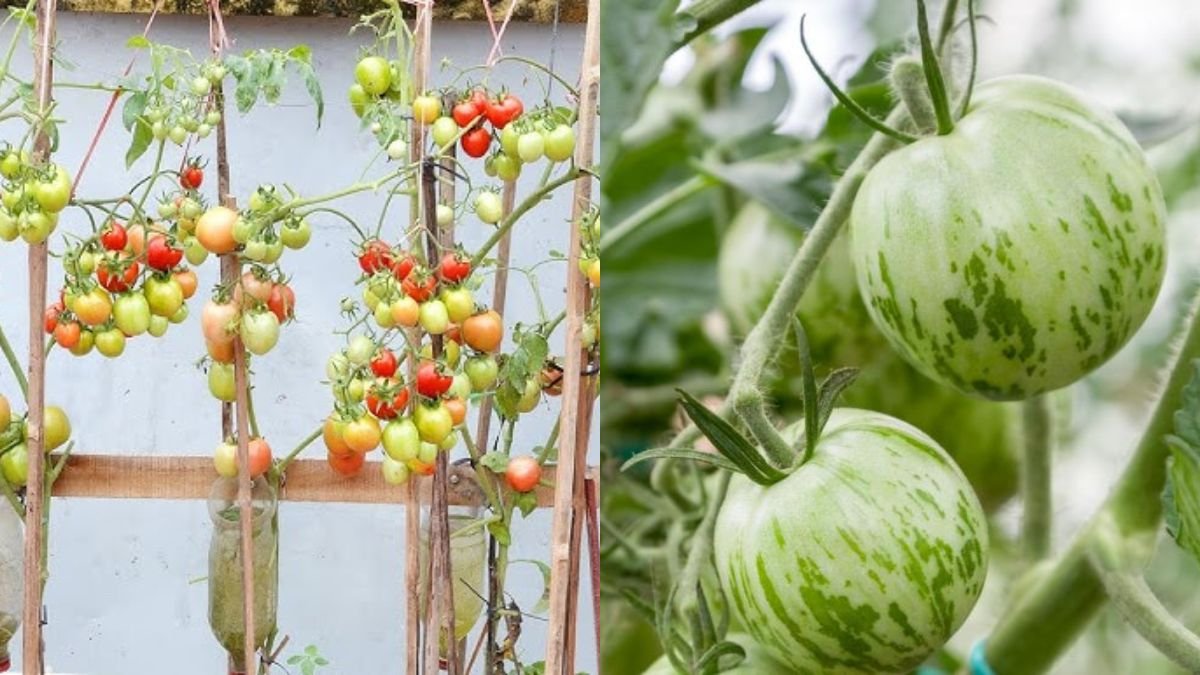
Growing fresh tomatoes at home doesn’t require a backyard or a traditional garden plot. With container gardening, a sunny balcony, or even a bright windowsill, you can cultivate tomatoes and enjoy juicy, flavorful fruit all season long. Modern urban gardening trends show that compact tomato varieties, supported with the right soil, water, and sunlight, can yield an impressive harvest even in small spaces. (mdpi.com)
Tomatoes are one of the most rewarding crops to grow at home because they mature quickly, require moderate care, and provide both nutritional and culinary benefits. In this guide, we’ll show you how to grow tomatoes at home for high yield — all without a garden — covering everything from variety selection and container choice to watering, fertilizing, pruning, and harvesting.
Why Tomatoes Grow Well Without a Garden
Traditionally, tomatoes were thought to require large garden beds and rich soil. Today, home gardeners increasingly rely on containers, pots, and grow bags, making tomato cultivation possible even in apartments. Compact and determinate tomato varieties have been developed to produce fruit in limited space, and many can thrive indoors or on patios with minimal effort. (hortidaily.com)
Even without a garden, container tomatoes can produce high yields if you provide sufficient sunlight, nutrients, and support structures. Studies and expert gardening advice show that small-space tomato cultivation can match traditional garden yields when managed properly. (mdpi.com)

Choosing the Right Tomatoes for High Yield
Variety selection is key for container gardening success and abundant harvests:
Ideal Types for Small Spaces
- Patio and Dwarf Varieties: Compact, bushy plants designed for containers.
- Determinate Varieties: Bush tomatoes grow to a fixed size and produce fruit all at once.
- Cherry Tomatoes: Small fruits with prolific yields and quick ripening.
Indeterminate varieties can also produce well in large containers, but they require pruning and staking for optimal results. (gardeningsoul.com)
Container and Soil: Foundations for Big Yields
You don’t need a garden bed to produce abundant tomatoes, but you do need the right containers and soil.
Container Tips
- Depth: At least 5 gallons (~18–20 liters) for larger varieties to accommodate extensive roots.
- Drainage: Ensure holes at the bottom to prevent soggy roots.
- Grow Bags: These are breathable, lightweight, and encourage healthy root growth. (gardeningsoul.com)
Soil Mix
Tomatoes thrive in rich, well-draining soil. Use high-quality potting mix and enrich it with compost or worm castings. A balanced mix keeps moisture while preventing root rot, which is crucial for container-grown plants. (gardeningsoul.com)
Sunlight Requirements
Tomatoes are sun-loving plants. Place containers in a spot receiving 6–8 hours of direct sunlight daily. Insufficient light leads to leggy plants and reduced yields. (umass.edu)
If sunlight is limited, consider full-spectrum grow lights to supplement natural light. LED grow lights are energy-efficient and help plants flower and fruit even indoors. (homesandgardens.com)
Watering and Nutrition
Consistent Watering
Container tomatoes dry out quickly. Water deeply and regularly to moisten at least 6–8 inches of soil. Inconsistent watering can lead to blossom end rot, splitting, and smaller yields. (nextstepliving.com)
Fertilizing for Fruit
Tomatoes are heavy feeders. Once flowers appear, feed them with a balanced or tomato-specific fertilizer. Avoid excessive nitrogen, which promotes leafy growth over fruit. (blog.agribegri.com)
Support and Pruning
Even in containers, tomatoes benefit from stakes, cages, or trellises to keep stems upright.
- Prune suckers on indeterminate types to focus energy on fruit production.
- Maintain airflow to reduce risk of disease; avoid overcrowding in small spaces. (aarp.org)
Proper support and pruning increase sunlight penetration, reduce fungal issues, and encourage larger, healthier yields. (thespruce.com)
Yield-Boosting Tips
- Successive Planting: Sow seeds or seedlings every few weeks to maintain a continuous harvest.
- Mulching: Use straw or coconut coir to retain soil moisture, regulate temperature, and suppress weeds. (nextstepliving.com)
- Sun Positioning: Maximize exposure by placing containers on balconies, railings, or sunny patios.
These simple adjustments can significantly increase fruit quantity and quality even in limited spaces.
Harvesting
Tomatoes are usually ready 60–90 days after sowing, depending on the variety.
- Harvest when fruits are fully colored and slightly soft to the touch.
- Pick regularly to encourage new fruit production. (thesun.co.uk)
- Cherry tomatoes produce early and frequently, while larger types take longer but yield bigger fruits.
Timely harvesting ensures flavorful, juicy tomatoes and promotes continuous flowering and fruiting.
Common Mistakes to Avoid
- Using too small containers: Restricts root growth and reduces yield. (reddit.com)
- Overcrowding plants: Limits airflow and increases disease risk. (thespruce.com)
- Neglecting nutrients: Leads to weak plants and poor harvests. (blog.agribegri.com)
By avoiding these mistakes, you can ensure a healthy, productive tomato crop in small spaces.
Conclusion
Growing tomatoes at home for a high yield without a garden is both practical and rewarding. With the right containers, nutrient-rich soil, sufficient sunlight, consistent watering, and proper care, you can enjoy fresh, juicy tomatoes in any season. Container gardening techniques, dwarf varieties, and support structures make it possible to maximize fruit production even in apartments, balconies, or terraces.
Whether you want small cherry tomatoes for snacking or larger varieties for sauces and salads, this guide ensures you can produce abundant, high-quality fruit without needing a traditional garden. By following these expert tips, you can turn any small space into a tomato paradise.