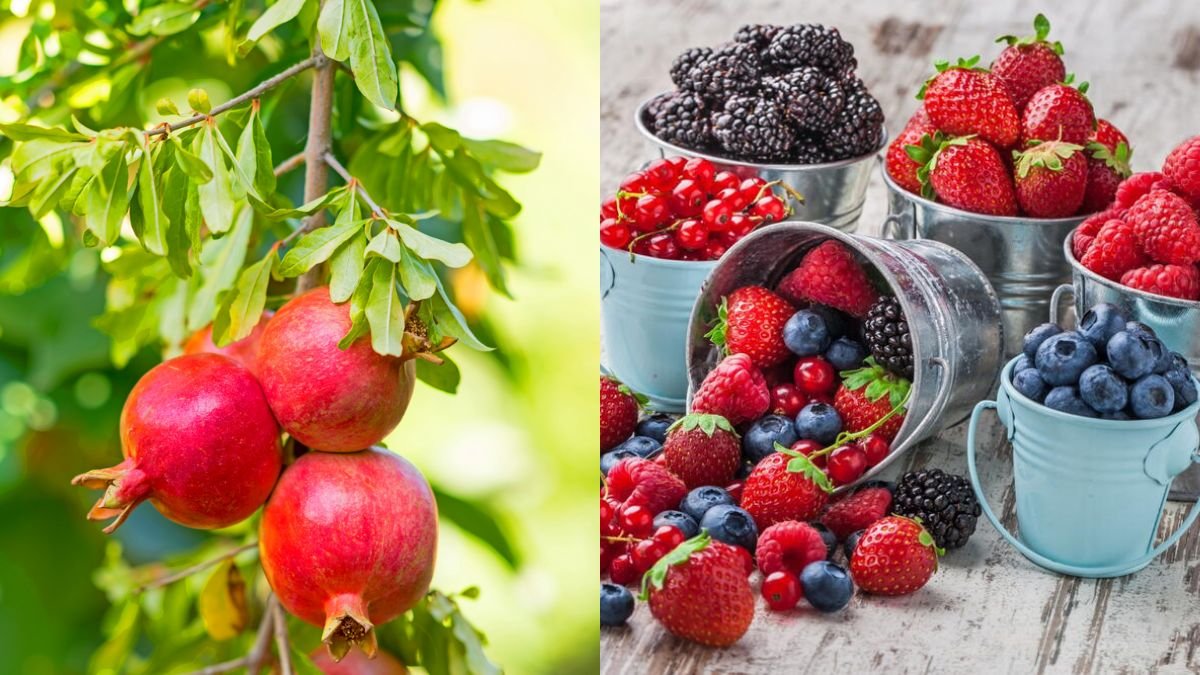
Growing fruit at home is one of the most rewarding gardening experiences you can have. It is not just about having fresh, organic produce at your fingertips; it’s also about the satisfaction of cultivating plants that thrive with minimal effort while providing bountiful harvests. If you are looking for fruit that is a lot of fruit, very easy to grow, can cook a lot of dishes and very delicious, this guide is designed for you.
Whether you have a spacious backyard, a small terrace, or even just a balcony, modern gardening techniques allow you to grow fruit efficiently. By choosing the right fruit varieties, providing the correct care, and following some simple tips, even beginners can enjoy a plentiful crop. Homegrown fruit is perfect for fresh snacks, smoothies, desserts, cooking, and preserves, making it both practical and versatile in the kitchen. (timesofindia.indiatimes.com)
Why Grow Fruit at Home?
Homegrown fruit offers multiple benefits that make gardening worthwhile:
- Freshness & Flavor: Fruits harvested directly from your garden are more flavorful than store-bought produce. They retain their natural aroma and sweetness.
- Nutrition & Health: Homegrown fruits are packed with essential nutrients, fiber, and antioxidants. They provide vitamins like A, C, and K, supporting immunity and overall health.
- Culinary Versatility: With homegrown fruit, you can prepare a variety of dishes — smoothies, salads, jams, chutneys, desserts, and even savory dishes with tropical fruits like pineapple or banana.
- Organic Control: You decide what goes into the soil and onto your plants, so you can grow fruit organically without harmful pesticides.
- Space Efficiency: Many fruit plants can thrive in pots, containers, or vertical gardens, making them suitable for small spaces. (indiatimes.com)
Homegrown fruit also provides a sense of satisfaction and connection to nature, making it an enriching activity for families and urban gardeners.

Best Fruit Plants That Are Very Easy to Grow
Certain fruit plants are ideal for beginners because they require minimal care, yield high quantities, and can be used in numerous dishes. Here are some of the best options:
1. Guava
Guava trees are hardy and low-maintenance. They grow well in warm climates and produce fragrant, nutrient-rich fruits. Guava is rich in vitamin C and fiber, making it ideal for fresh consumption, juices, jams, or desserts. Guava trees can even thrive in large pots or container gardens. (timesofindia.indiatimes.com)
2. Lemon & Other Citrus
Dwarf lemon trees and other citrus varieties are perfect for containers or terrace gardens. They require moderate sunlight and water and are highly productive. Lemons enhance drinks, marinades, desserts, and salads. Citrus trees are long-living and can provide fruit year after year with minimal effort.
3. Strawberry
Strawberries are compact, fast-growing, and suitable for pots, hanging baskets, or garden beds. They are quick to fruit and versatile in cooking — eaten fresh, in desserts, jams, salads, or smoothies. Their high yield per plant makes them ideal for beginners.

4. Banana (Dwarf Varieties)
Bananas grow quickly and produce clusters of sweet fruits that are ideal for fresh eating, smoothies, desserts, or cooking. Dwarf varieties are suited for large pots or small garden spaces, and they require moderate water and full sun. (indiatimes.com)
5. Papaya
Papaya is fast-growing and produces large quantities of fruit. Rich in vitamins A and C, papaya can be used in salads, smoothies, desserts, or cooking. Papaya plants prefer warm climates, fertile soil, and consistent watering.
6. Watermelon & Muskmelon
These melons are high-yielding and perfect for backyard gardens. They require full sun, fertile soil, and space to spread. Melons are refreshing, hydrating, and versatile — ideal for summer drinks, snacks, and salads.
7. Pineapple
Pineapples grow well in containers and garden beds. They are slow to mature but highly rewarding. Sweet, tropical-flavored pineapples can be eaten fresh, used in desserts, or blended into beverages.

8. Fig
Fig trees produce soft, sweet fruits that can be eaten fresh, dried, or cooked into jams, sauces, and desserts. Figs adapt well to home gardens and are relatively easy to care for once established.
Space-Saving Gardening Ideas
Even if you have limited space, you can still grow fruit effectively:
Balcony & Container Gardening
Container gardening allows you to grow fruit in small spaces such as balconies, terraces, or patios. Plants like strawberries, guava, dwarf citrus, pineapple, and figs thrive in pots. Use well-draining soil, provide adequate sunlight, and ensure regular watering for high yields. (kisanindia.in)
Multi-Fruit or Fruit Salad Trees
Multi-grafted trees, or “fruit salad trees,” combine multiple fruit varieties onto a single tree. This allows you to harvest different fruits from one plant, making it ideal for small gardens while maximizing yield. These trees provide abundant fruit year-round and save space. (herzindagi.com)

Culinary Uses: Cook a Lot of Dishes
Homegrown fruits are not only delicious but versatile in the kitchen:
- Smoothies & Juices: Blend fresh fruits like banana, papaya, strawberry, and guava for nutrient-packed drinks.
- Salads: Add fruits to salads for a natural sweetness. Citrus, papaya, and pineapple work well.
- Desserts: Use fruits for compotes, tarts, pies, jams, and cakes.
- Savory Dishes: Tropical fruits like pineapple, banana, and guava can enhance curries, salsas, and chutneys.
Having fresh fruit at hand expands your culinary possibilities and encourages healthy eating habits.
Tips for Maximum Yield
To grow a lot of fruit, very easy to grow, can cook a lot of dishes and very delicious, follow these tips:
- Sunlight: Most fruit plants require at least 6–8 hours of direct sunlight daily.
- Soil: Use well-draining, fertile soil with organic compost or fertilizer.
- Watering: Keep soil consistently moist but not waterlogged.
- Fertilization: Feed plants regularly during the growing season for better flowering and fruiting.
- Pruning: Remove dead or crowded branches to improve airflow and fruit production.
- Pest Management: Use natural methods to prevent insect and fungal damage.
- Pollination: For certain fruits, hand pollination may improve fruit set in areas with fewer pollinators. (aajtak.in)
Common Mistakes to Avoid
| Mistake | Consequence |
|---|---|
| Overwatering | Root rot and reduced fruit quality |
| Insufficient sunlight | Poor flowering and low yields |
| Overcrowding | Reduced airflow and increased disease risk |
| Neglecting soil nutrition | Stunted growth and fewer fruits |
Avoiding these common mistakes ensures your fruit plants remain healthy and productive.

Recommended Authoritative Sources
For further reading and expert guidance:
- Royal Horticultural Society (RHS) – Fruit Gardening Guide: Practical tips for home fruit gardens.
- Times of India – 7 Simple Fruit Plants for Balcony Gardens: Best fruit plants for beginners. (timesofindia.indiatimes.com)
- IndiaTimes – High-Profit Summer Fruits to Grow at Home: Fruit options that produce abundant harvests. (indiatimes.com)
- Herzindagi – How to Grow Fruit Salad Trees: Multi-fruit trees for small gardens. (herzindagi.com)
Conclusion
Growing fruit at home is both enjoyable and practical, especially when you select varieties that are a lot of fruit, very easy to grow, can cook a lot of dishes and very delicious. By using the right plants, proper care techniques, and space-saving methods, you can enjoy a consistent and abundant harvest throughout the year.
Whether you are harvesting strawberries from hanging baskets, papaya from your backyard, or guava and citrus from pots, homegrown fruits bring freshness, nutrition, and versatility to your kitchen. Begin your fruit garden today and experience the joy of fresh, delicious produce at your fingertips.