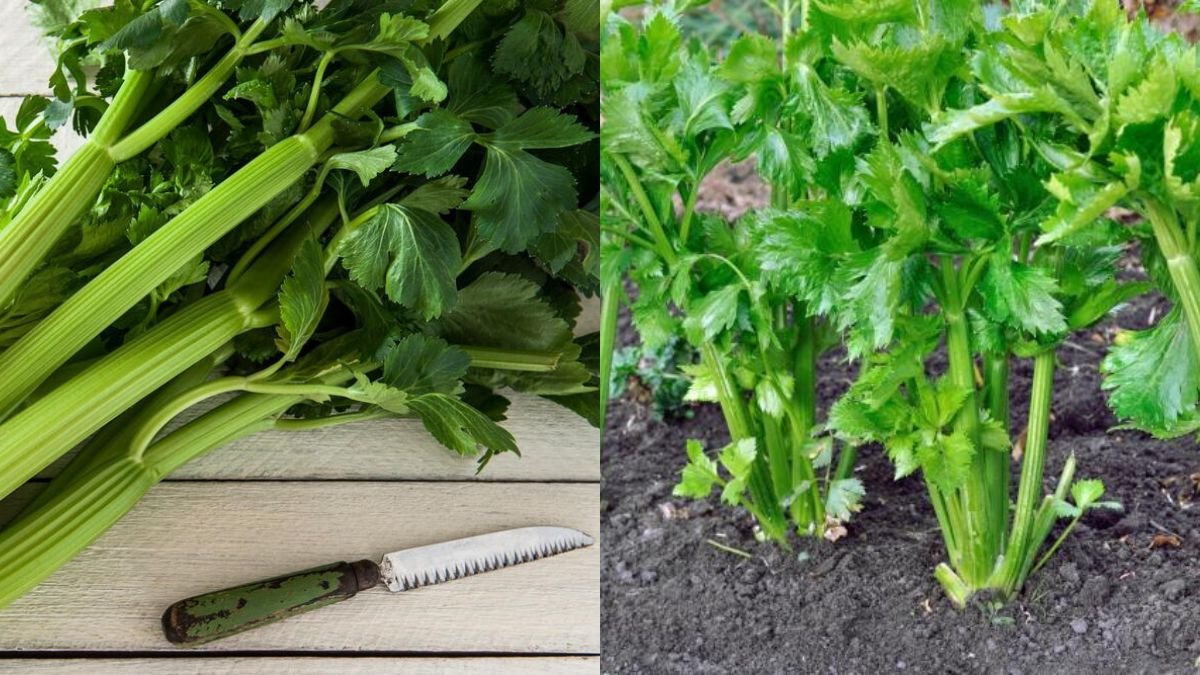
Celery has long been considered a cool-season crop, but with modern gardening techniques and heat-tolerant varieties, celery is heat resistant, delicious and can be grown all year round. Whether you have a backyard, balcony, rooftop, or containers, celery can thrive with proper care. Its crisp stalks, rich flavor, and high nutritional value make it a favorite for salads, juices, soups, and healthy snacks.
In this comprehensive guide, we’ll explore how to grow celery successfully in heat, extend its growing season, choose the right soil and containers, manage water and sunlight, and harvest it continuously throughout the year.
Why Celery Is Considered Heat-Resistant
Traditionally, celery prefers cool climates, but new cultivars like ‘Tango’ and other heat-tolerant types have been developed to withstand warmer temperatures. These varieties maintain tender, flavorful stalks even when the mercury rises.
Heat resistance doesn’t mean you can neglect care. Even heat-tolerant celery benefits from:
- Partial shade during peak sun hours to prevent leaf scorch and bolting.
- Consistent moisture to avoid dry soil, which stresses the plant.
- Mulching to protect roots from heat and retain soil moisture.
By understanding and adjusting to heat conditions, gardeners can successfully grow celery in regions where summers are hot or where temperature fluctuates throughout the year.

Growing Celery Year-Round
Celery’s adaptability makes it possible to enjoy fresh stalks almost all year with proper planning. Here’s how:
Start Indoors
Starting seeds indoors allows you to control temperature and moisture, giving seedlings a healthy head start. Indoor sowing is especially useful in hot summers or in regions with short cooler seasons.
Transplant Outdoors
Once seedlings are sturdy and temperatures are suitable, transplant them outdoors. Spring and fall are ideal in most climates, but in warm regions, late summer planting can grow through mild winter months.
Extend the Growing Season
Celery tolerates light frost, allowing for extended harvest in cooler months. Mulching, row covers, or strategic planting in shaded versus sunny spots can help maintain year-round growth, ensuring a steady supply of fresh celery.
Soil and Watering Requirements
Rich, Moist Soil
Celery is a heavy feeder and performs best in fertile, loamy soil that drains well. Mixing compost or well-rotted manure into the soil before planting provides essential nutrients for continuous growth.

Consistent Moisture
Celery has shallow roots and is sensitive to drying out. Frequent, even watering is crucial, particularly in heat, where soil moisture can evaporate quickly. Mulching helps retain moisture and maintain cooler soil temperatures.
Fertilization
Regular feeding encourages healthy stalk growth. A balanced fertilizer or liquid compost tea every few weeks supplies nutrients without overloading the plant with nitrogen, which can lead to excessive leaf growth at the expense of stalk flavor.
Managing Heat and Sun Exposure
Even heat-tolerant celery requires attention to sun and temperature:
- Partial Shade: Protect celery from intense afternoon sunlight in hot climates.
- Mulching: Keeps soil temperature stable and reduces evaporation.
- Frequent Watering: Especially during heat waves, maintaining moisture prevents bolting and stringy stalks.
These practices ensure that celery remains crisp, tender, and flavorful even during the hottest months.
Choosing the Right Varieties
Heat-resistant celery varieties make year-round cultivation easier. Some recommended types include:

- Tango: Known for heat tolerance and tender stalks.
- Conquistador: Produces thick, flavorful stalks in warmer weather.
- Golden Self-Blanching: Ideal for both indoor and outdoor containers.
Selecting the right variety according to your climate and growing space is key to consistent harvests and preventing bolting in high temperatures.
Planting Celery in Containers
For urban gardeners or those with limited outdoor space, celery can thrive in containers:
- Container Size: Use pots at least 12 inches deep and wide to allow root development.
- Soil: Fill with nutrient-rich potting mix combined with compost.
- Watering: Containers dry out faster, so monitor soil moisture closely.
- Placement: Ensure containers receive 4–6 hours of sunlight daily, using shade when temperatures peak.
Container planting offers flexibility and helps manage soil quality, water, and sunlight more easily than garden beds.
Harvesting Techniques
Celery can be harvested in several ways, maximizing yield:
- Outer Stalk Harvest: Cut mature stalks from the outside, leaving inner stalks to grow. This allows for continuous harvests over weeks.
- Full Harvest: Once plants reach full maturity, cut all stalks near the base.
- Regrowing From Base: Some gardeners regrow celery from the base by placing stalks in water until new shoots emerge, then transplanting into soil.
By adopting these harvesting strategies, you can enjoy celery throughout the year without replanting each season.

Health Benefits of Celery
Celery isn’t just tasty — it’s packed with nutrients:
- Vitamin K: Supports bone health and blood clotting.
- Anti-inflammatory compounds: Help maintain overall wellness.
- High water content: Aids hydration and weight management.
- Dietary fiber: Promotes digestion and gut health.
Growing celery at home allows you to enjoy these benefits fresh, chemical-free, and at peak flavor.
Background Context: Year-Round Gardening
Interest in year-round home gardening has surged as people seek fresh, sustainable, and affordable food. Celery, once considered seasonal, is now recognized for its adaptability when combined with container gardening, mulching, shading, and proper irrigation.
By incorporating strategic planting schedules and heat management techniques, urban and small-space gardeners can enjoy celery nearly year-round, supporting both nutrition and sustainability goals.
Authoritative Sources
For further guidance and expert tips:

- Gardener Guidebook – Celery Heat-Resistant Varieties & Year-Round Tips: Detailed growing strategies for warm climates. (gardenerguidebook.com)
- Royal Horticultural Society – Celery Growing Advice: Comprehensive planting and care information. (rhs.org.uk)
- Ugaoo Celery Seed Guide: Practical tips for sowing and growing celery at home. (ugaoo.com)
These sources provide detailed, research-backed advice for both novice and experienced growers.
Conclusion
Celery is no longer limited to cool-season gardening. With heat-tolerant varieties, consistent watering, proper soil, and smart shade management, celery is heat resistant, delicious and can be grown all year round.
Whether in garden beds, containers, or balconies, celery offers continuous harvests of crisp, flavorful stalks that are nutritious and versatile. By following the tips outlined here, you can enjoy fresh celery at home year-round, supporting a healthier diet and sustainable gardening practices.