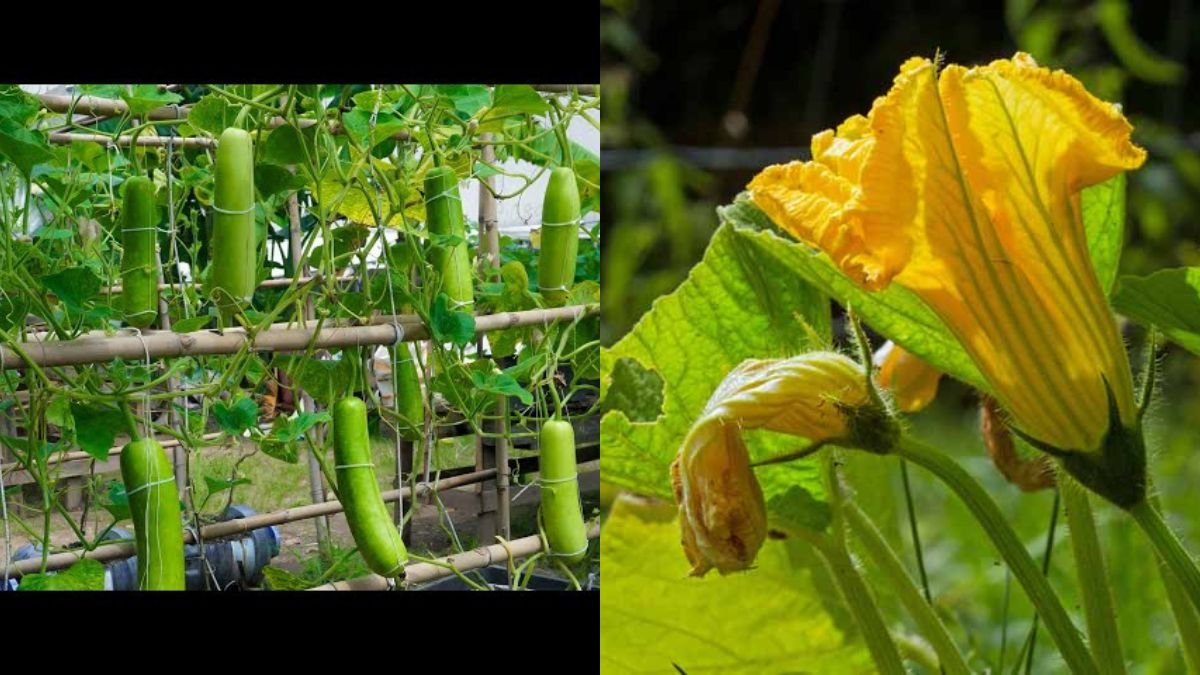
Gourds are versatile vine plants that are both beautiful and edible. From bottle gourds and sponge gourds to ornamental birdhouse gourds, these plants offer a combination of aesthetic appeal and culinary value. While many people grow gourds primarily for decoration, a growing number of gardeners are discovering their delicious, nutritious potential in the kitchen.
Despite their reputation as vigorous growers, gourds can be cultivated effectively without excessive effort. With the right techniques for planting, watering, pollination, trellising, and harvesting, even beginners can enjoy a bountiful crop. This article outlines the [FOCUS KEYWORD] approach to achieving lush vines, attractive fruits, and tasty gourds with minimal maintenance.
Choosing the Right Site and Soil
Full Sun Exposure
Gourds thrive in full sun, needing at least 6–8 hours of direct sunlight daily. Adequate sunlight promotes vigorous vine growth, abundant flowering, and strong fruit development.
Fertile, Well-Drained Soil
Gourds prefer loamy, fertile soil enriched with organic matter. Incorporating compost or well-rotted manure provides essential nutrients for healthy growth. Ensure the soil drains well to prevent root rot, but retains enough moisture to keep young plants thriving. Slightly acidic to neutral soil (pH 6.0–7.0) is ideal for most gourd varieties. (almanac.com)

Planting Gourds: Seeds and Spacing
Start with Quality Seeds
For the best results, sow gourd seeds after all frost danger has passed and the soil has warmed. Plant seeds 1–2 inches deep in prepared soil. Alternatively, start seeds indoors 4–6 weeks early for a head start, ensuring robust seedlings ready for transplanting. (sowrightseeds.com)
A popular germination tip is to place seeds between moist paper towels with a light sprinkle of cinnamon to reduce mold, then transplant sprouts once roots and leaves are healthy.
Provide Adequate Spacing
Gourds are vigorous climbing plants. Allow 24–36 inches (60–90 cm) between plants for small varieties, and even more for larger gourds. Proper spacing improves airflow, reduces disease risk, and provides enough room for sprawling vines to develop fully. (sowrightseeds.com)
Support Your Vines: Trellises and Frames
Gourds naturally climb using tendrils, making trellising an effective method for space efficiency and cleaner fruits. Sturdy structures like fences, arbors, or mesh trellises allow gourds to grow vertically, which offers multiple benefits:

- Keeps fruits off the soil, preventing rot
- Reduces pest infestation
- Improves airflow to minimize fungal diseases
- Makes harvesting easier and more ergonomic
Heavier gourds like bottle gourds need strong supports, while smaller gourds can thrive on lightweight mesh or frames. (gardenerspath.com)
Watering and Fertilizing for Optimal Growth
Consistent Moisture
Young and fruiting gourds need steady, deep watering. While established vines can tolerate short dry periods, consistent moisture prevents bitter or misshapen fruits. Avoid waterlogged soil; instead, water deeply once or twice weekly and use mulch to retain moisture.
Balanced Nutrition
Before planting, enrich soil with compost or well-decomposed manure. Once plants are established, apply a balanced fertilizer or side-dress with compost during the growing season. This promotes healthy foliage and encourages abundant flowering, which is critical for maximum fruit set. (homegarden.cahnr.uconn.edu)
Pollination: The Secret to Abundant Gourds
Gourds are monoecious, meaning male and female flowers appear on the same plant. Pollination is essential for fruit formation. Bees and other pollinators naturally transfer pollen, but gardeners in areas with fewer insects can perform hand pollination with a small brush or by transferring pollen directly.

Encouraging pollinators by planting nectar-rich companion flowers nearby also enhances fruit set. Proper pollination leads to larger, more abundant gourds and ensures vines remain productive throughout the season. (homegarden.cahnr.uconn.edu)
Harvesting Gourds at the Right Time
Edible Gourds
Harvest young, tender gourds like bottle gourds and sponge gourds before seeds mature, typically 70–90 days after sowing. Younger fruits are more flavorful and tender for culinary use.
Ornamental Gourds
Decorative gourds are left to mature fully on the vine until stems brown and skin hardens. This allows long storage and ensures durability for crafts and seasonal décor. (gardeningknowhow.com)
Proper Harvest Technique
Use a sharp knife or scissors to cut gourds from the vine, leaving a small portion of stem attached. This reduces rot risk and extends shelf life. Avoid pulling gourds off by hand, which can damage vines.
Pest and Disease Prevention
Gourds are susceptible to pests like cucumber beetles and diseases such as powdery mildew. Minimal-care strategies include:
- Mulching to reduce weeds and retain moisture
- Proper spacing and trellising for airflow
- Monitoring plants weekly for pests or fungal signs
- Using natural deterrents such as neem oil or diatomaceous earth
Proactive management keeps gourds healthy, attractive, and productive. (bhg.com)
Selecting the Right Varieties
Choosing the appropriate variety ensures ease of care and maximizes yields. Long, vining types like bottle gourd produce large fruits but require sturdy supports. Smaller, bush-type gourds are ideal for container gardening or limited space. Disease-resistant cultivars reduce maintenance and improve productivity.
Culinary and Decorative Uses
Gourds can serve multiple purposes. Edible varieties are widely used in soups, stir-fries, and stews. Ornamental types are perfect for crafts, birdhouses, or seasonal décor. Selecting the right variety for your intended use ensures both functionality and beauty in the garden. (thespruce.com)

Pro Tips for Gorgeous, Productive Vines
- Amend soil with compost well before planting for strong roots
- Plant pollinator-friendly flowers to enhance fruit set
- Train vines early to prevent tangled growth
- Mulch around vines to retain moisture and suppress weeds
- Monitor vines weekly to prevent pests and diseases
These simple steps produce healthy, abundant, and visually appealing gourds with minimal effort.
Authoritative Sources
- The Old Farmer’s Almanac – Types of Gourds & Growing Guide (almanac.com)
- Gardening Know How – Gourd Growing Care Tips (gardeningknowhow.com)
- Gardener’s Path – How to Grow Gourds (gardenerspath.com)
- UConn Home & Garden Education Center – Gourd Cultivation Basics (homegarden.cahnr.uconn.edu)
Conclusion
Growing gourds can be simple, rewarding, and versatile. By focusing on sunlight, fertile soil, trellising, proper pollination, and timely harvesting, gardeners can enjoy lush vines, beautiful fruits, and delicious gourds without excessive effort. Whether for the kitchen or home décor, gourds are an ideal plant to grow with minimal care yet maximum satisfaction.