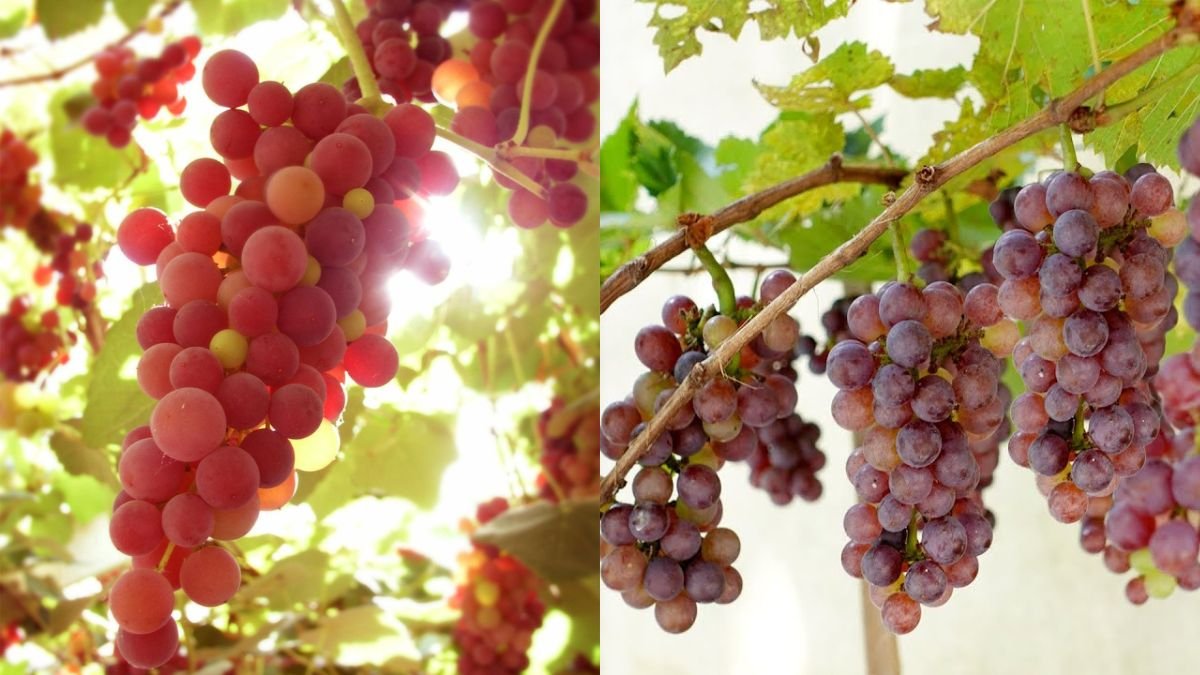
Growing grapes at home may sound challenging, but with the right guidance, it is surprisingly simple and rewarding. In fact, tips for growing grapes at home are fruitful and easy for everyone, even beginners with limited gardening experience. Grapevines are resilient plants that adapt well to many climates and spaces, producing delicious fruit year after year when cared for properly.
With increasing interest in home gardening and self-sufficiency, more people are discovering that grapes can be grown successfully in backyards, on terraces, along fences, or even in containers. This article shares easy-to-follow, proven tips that help you grow healthy grapevines and enjoy abundant harvests at home.
Why Growing Grapes at Home Is Worth It
Grapes are not only delicious but also highly versatile. You can enjoy them fresh, turn them into juice, jam, jelly, raisins, or even homemade wine. When grown at home, grapes are fresher, sweeter, and free from unnecessary chemicals.
Another benefit is longevity. Grapevines are perennial plants that can produce fruit for decades once established. Beyond fruit production, grapevines add beauty to gardens by covering pergolas, trellises, and walls with lush green foliage. With basic care, grape growing becomes a long-term investment that rewards you season after season.
Choosing the Right Grape Variety
The first and most important step in successful grape growing is selecting the right variety. Grapes generally fall into three main categories:
- Table grapes – best for fresh eating, usually sweet and juicy
- Juice grapes – ideal for juices, jams, and jellies
- Wine grapes – grown mainly for fermentation and wine production
When choosing a variety, always consider your local climate. Some grapes thrive in warm regions, while others are more tolerant of cooler conditions. Purchasing plants from local nurseries increases your chances of success because these varieties are already adapted to your region.
For beginners, disease-resistant varieties are highly recommended, as they require less maintenance and are more forgiving of small mistakes.

Selecting the Best Location
Grapes love sunlight. For best results, plant grapevines in a location that receives at least 6 to 8 hours of direct sunlight daily. Sun exposure is essential for strong vine growth and sweet, flavorful fruit.
Good air circulation is equally important. Avoid planting vines in low, damp areas where air stagnates, as this can encourage fungal diseases. A slightly elevated or open area with good airflow helps keep vines healthy.
Grapes also prefer well-drained soil. They do not tolerate standing water, so avoid locations where water collects after rain.
Preparing the Soil Properly
Healthy soil is the foundation of productive grapevines. Grapes grow best in loose, fertile, and well-drained soil with a slightly acidic to neutral pH.
Before planting, loosen the soil deeply and mix in organic matter such as compost or well-rotted manure. This improves drainage, increases nutrient availability, and encourages strong root development.
If planting in containers, choose large pots with drainage holes and use high-quality potting mix amended with compost and sand or perlite for better aeration.
Supporting and Training Grape Vines
Grapevines are climbing plants and need proper support to grow correctly. A sturdy support system keeps vines off the ground, improves sunlight exposure, and reduces disease risk.

Common support options include:
- Wire trellises
- Arbors and pergolas
- Fence systems
Install supports before or at the time of planting to avoid disturbing roots later. As vines grow, gently tie shoots to the support and guide them in the desired direction. Proper training makes pruning, harvesting, and overall maintenance much easier.
Watering the Right Way
Young grapevines require consistent watering during their first year to establish a strong root system. Water deeply rather than frequently, allowing the soil to dry slightly between watering sessions.
Once established, grapevines become relatively drought-tolerant. However, consistent moisture during flowering and fruit development helps improve yield and fruit quality.
Avoid overhead watering, as wet leaves can encourage fungal diseases. Instead, water at the base of the plant and consider mulching to retain moisture and suppress weeds.
The Importance of Pruning
Pruning is essential for grape production. Without regular pruning, vines become overgrown and produce fewer, smaller grapes.
Pruning should be done during the dormant season, usually in late winter or early spring. Remove weak, dead, or overcrowded branches and retain strong canes that will produce fruit.

Although pruning may seem intimidating, it actually strengthens the vine and directs energy toward fruit production. Proper pruning is one of the most important tips for growing grapes at home successfully.
Fertilizing for Healthy Growth
Grapes are not heavy feeders, but they do benefit from balanced nutrition. Too much fertilizer can lead to excessive leaf growth at the expense of fruit.
Apply compost or a balanced fertilizer in early spring to support new growth. Avoid over-fertilizing, especially with nitrogen-rich products. Observing vine growth and leaf color helps determine whether additional feeding is needed.
Managing Pests and Diseases
Healthy grapevines grown in good conditions are naturally resistant to many problems. Most pest and disease issues arise from overcrowding, poor airflow, or excessive moisture.
To reduce problems:
- Prune regularly to improve airflow
- Keep the area around vines clean
- Remove diseased leaves promptly
- Use organic pest control methods only when necessary
Birds can be a challenge as grapes ripen. Netting or mesh covers can protect fruit during the final stages of ripening.
Harvesting Grapes at the Right Time
Grapes do not ripen after harvest, so timing is crucial. Grapes are ready to harvest when they are fully colored, plump, and sweet.

Taste a few grapes from different clusters before harvesting. When ready, cut entire clusters with clean pruning shears rather than pulling them off the vine.
Harvesting carefully prevents damage to the vine and encourages future production. Properly stored grapes can last several days to weeks, depending on the variety and storage conditions.
Background Context: Growing Grapes at Home
Home grape growing has gained popularity worldwide as people seek sustainable, home-grown food solutions. Unlike many fruit trees that require large spaces, grapevines adapt well to small gardens and vertical growing systems.
With modern trellising methods and improved disease-resistant varieties, growing grapes at home has become more accessible than ever. Whether in rural gardens or urban balconies, grapevines are proving that fruit gardening is truly for everyone.
Suggested Authoritative Sources
For further learning and expert guidance, explore these trusted resources:
- University Extension Services on home grape growing
- Agricultural and horticultural research institutes
- Gardening organizations and horticulture societies
- Reputable gardening magazines and university-based websites
These sources provide science-based, practical advice for long-term grape growing success.
Conclusion
With the right approach, tips for growing grapes at home are fruitful and easy for everyone. By choosing suitable varieties, preparing soil properly, providing support, pruning correctly, and harvesting at the right time, anyone can enjoy sweet, homegrown grapes.

Grapevines reward patience and care with years of abundant harvests and garden beauty. Whether you are a beginner or an experienced gardener, growing grapes at home is a fulfilling and achievable goal that brings both joy and fresh fruit to your table.