Introduction
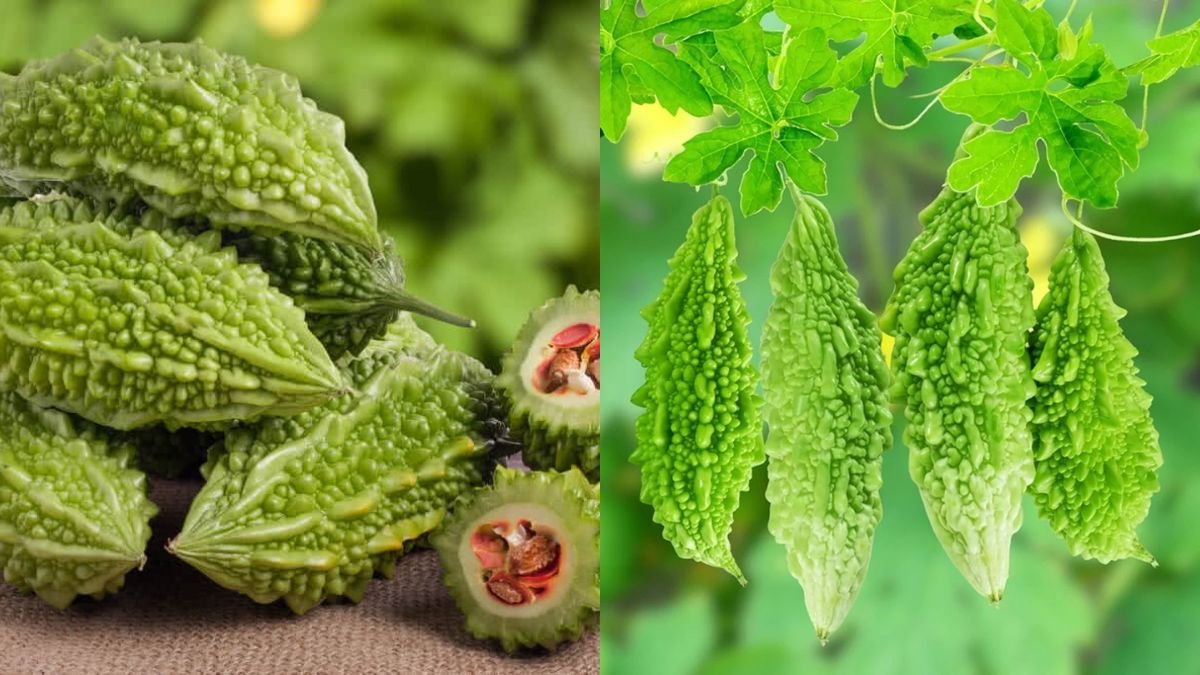
Bitter gourd, also known as karela, is a staple in many kitchens across the world. Known for its distinct flavor and impressive health benefits — including blood sugar regulation, digestion support, and high antioxidant content — bitter gourd is both a culinary and nutritional powerhouse.
What surprises many people is that growing bitter gourd at home is incredibly easy, even for beginners. With just a few containers, some quality seeds, and basic care, this climbing vine can produce an abundance of fruits, making it ideal for home gardeners, balcony growers, and urban residents with limited outdoor space.
In this article, we’ll explore why bitter gourd is so easy to grow, provide step-by-step instructions, share tips for high yields, and explain how you can enjoy continuous harvests without a traditional garden.
Why Bitter Gourd Is Perfect for Home Gardening
Several characteristics make bitter gourd an ideal vegetable for home cultivation:

1. Thrives in Containers and Small Spaces
Bitter gourd adapts well to pots, grow bags, and balcony containers. A container 12–15 inches deep with drainage holes is sufficient for one plant, making it possible to grow this vine even on terraces or small patios. (Times of India)
2. Quick Germination and Early Fruiting
Seeds typically sprout within a week, and plants can begin producing fruits within 55–70 days. This rapid growth allows gardeners to enjoy fresh, homegrown bitter gourd in just a few months.
3. Climbing Habit Maximizes Space
As a climbing vine, bitter gourd can be trained on trellises, bamboo poles, or balcony railings, allowing vertical growth. This not only saves space but also encourages better air circulation, healthier plants, and more flowering sites.
4. Low Pest Pressure in Cool Seasons
Bitter gourd tends to have fewer pest problems when grown during cooler months, reducing the need for chemical interventions and making it easier for beginners to manage.

Step-by-Step Guide: How to Grow Bitter Gourd Easily
Follow these simple steps to cultivate bitter gourd for high yields:
Step 1: Choose Quality Seeds
Select high-quality, organic bitter gourd seeds from trusted sources. Hybrid or improved varieties are recommended for higher fruit production and disease resistance. Quality seeds are the foundation of a successful harvest. (AajTak)
Step 2: Prepare the Soil
Use a mix of garden soil, compost, and cocopeat to ensure the soil is rich in nutrients, lightweight, and well-draining. Bitter gourd roots do not tolerate waterlogged soil.
Step 3: Sow the Seeds
Plant seeds 1 inch deep in the container and keep the soil consistently moist. Germination typically occurs within 5–7 days. Thin seedlings to leave one strong plant per container for optimal growth.

Step 4: Provide Support
Install a trellis or vertical support for the vine to climb. Proper support keeps fruits off the ground, improves sunlight exposure, and reduces disease risk. Vertical growth also promotes more flowering and fruiting.
Step 5: Watering and Feeding
Maintain moderate soil moisture, avoiding overwatering. Fertilize every 15–20 days with organic compost or a balanced liquid fertilizer to promote vigorous growth and abundant flowers.
Step 6: Prune for Productivity
Trim excess lateral shoots and overcrowded leaves to direct the plant’s energy toward flowering and fruiting. This simple practice can significantly increase yield.
Step 7: Harvest at the Right Stage
Pick bitter gourds when they are green, firm, and 4–6 inches long. Regular harvesting encourages continuous fruit production throughout the growing season.

Tips for Maximum Fruit Production
- Sunlight: Ensure the plant receives at least 5–6 hours of direct sunlight daily for strong growth and abundant flowering.
- Balanced Nutrition: Regular feeding with compost or organic fertilizers supports healthy vines and larger yields.
- Air Circulation: Proper spacing and trellis use reduce the risk of fungal diseases.
- Pest Control: Use natural methods like neem oil or manual removal to manage pests while keeping the produce chemical-free. (The Beginners Garden)
Benefits of Growing Bitter Gourd at Home
1. Nutritious and Healthy
Bitter gourd is a low-calorie, high-fiber vegetable rich in vitamins A, C, and K. It also contains antioxidants and compounds that may help regulate blood sugar. Homegrown bitter gourd ensures maximum freshness and nutritional value.
2. High-Yield Crop
With proper care and container support, one plant can produce multiple fruits per week during its productive months, making it one of the most rewarding vegetables to grow at home.
3. Easy and Cost-Effective
Bitter gourd requires minimal inputs — a container, soil, seeds, and a trellis — making it accessible to anyone, regardless of space constraints.
4. No Garden Required
Even urban dwellers can grow bitter gourd successfully on balconies, terraces, or window ledges. This makes it a perfect solution for city gardening.

Health and Culinary Benefits
Bitter gourd’s distinct taste is complemented by its impressive health profile:
- Blood Sugar Management: Contains compounds that help regulate glucose levels.
- Digestive Aid: Supports digestion and improves gut health.
- Immunity Boost: Rich in vitamin C and antioxidants.
- Versatile Cooking: Ideal for stir-fries, curries, juices, and traditional dishes.
Suggested Authoritative Sources
- Times of India – How to grow bitter gourd from seeds at home (timesofindia.indiatimes.com)
- AajTak – Balcony and container bitter gourd gardening (aajtak.in)
- Uptak – Easy steps for high-yield bitter gourd in small spaces (uptak.in)
- Asianet News Hindi – Winter growing and reduced bitterness tips (hindi.asianetnews.com)
- The Beginners Garden – High yield bitter gourd tips (thebeginnersgarden.net)
Conclusion
Bitter gourd is not only highly nutritious and delicious but also one of the easiest vegetables to grow at home, even for beginners and urban gardeners. With minimal inputs — containers, good soil, seeds, and a trellis — you can produce an abundant harvest of fresh, homegrown fruits.
Whether you’re growing for health benefits, culinary use, or the joy of home gardening, bitter gourd offers a rewarding, high-yield experience without the need for a traditional garden. Start today by sowing seeds, providing support, and enjoying continuous harvests that will keep your kitchen stocked with fresh, nutritious bitter gourd throughout the season.