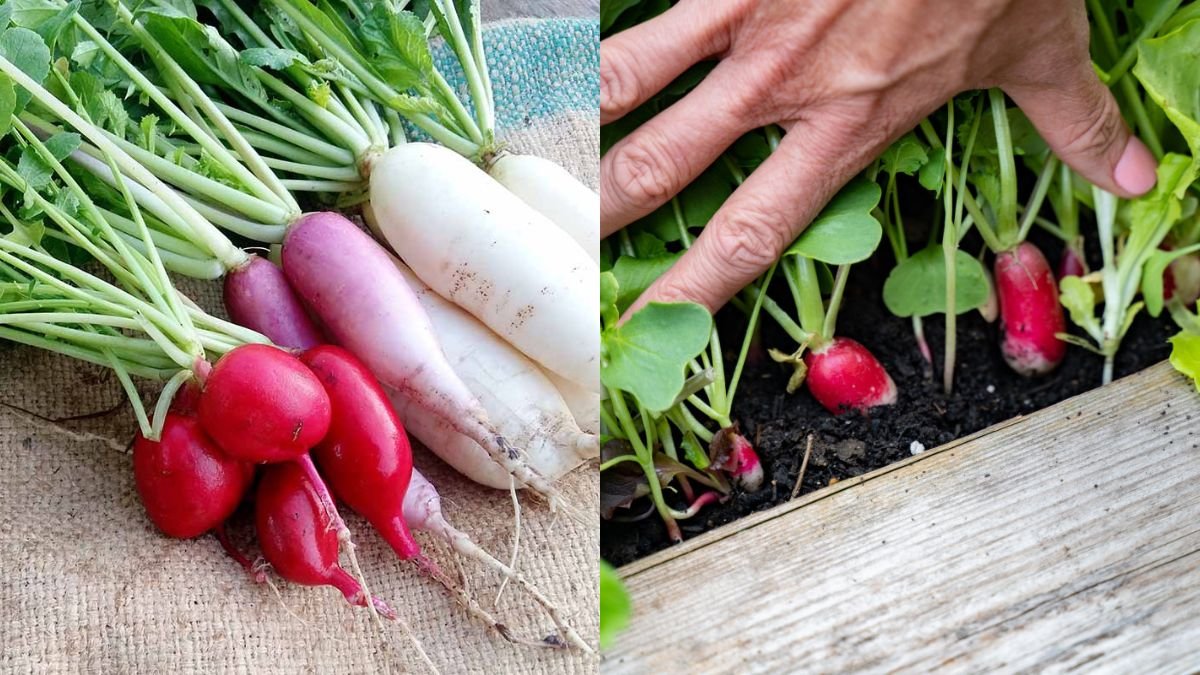
Pink radish has quietly become one of the most loved vegetables among home gardeners, and for good reason. Unlike traditional white or red radishes, pink radish varieties stand out with their vibrant skin, tender white flesh, and mild, refreshing flavor. They grow fast, look stunning in the garden, and deliver crisp, juicy roots that are perfect for fresh eating. This combination makes pink radish very special, very beautiful, and very delicious.
In recent years, more gardeners have turned to quick-harvest crops that fit small spaces, balconies, raised beds, and containers. Pink radish answers all these needs. It matures in just a few weeks, requires minimal care, and rewards growers with colorful produce that looks as good as it tastes. Whether you are a beginner or an experienced gardener, pink radish is one of the easiest and most satisfying crops you can grow at home.
Why Growing Pink Radish Is So Special
One of the biggest reasons pink radish is special is its speed. Most varieties are ready to harvest within 25 to 30 days. This fast growth makes it ideal for impatient gardeners or anyone wanting quick results. You can literally plant seeds today and enjoy fresh vegetables in under a month.
Another special feature is its adaptability. Pink radish grows well in garden beds, raised beds, grow bags, and even small pots. This makes it perfect for urban homes, terraces, and balconies. You don’t need a large garden or expensive tools to succeed.
Finally, pink radish is special because it’s forgiving. Even if conditions are not perfect, it still produces decent roots. That reliability builds confidence, especially for new gardeners learning the basics.
The Beauty of Pink Radish in the Garden
Pink radish is undeniably beautiful. The bright pink skin contrasts wonderfully with green leaves, creating a visually appealing garden bed. When grown in rows or containers, the plants look neat and lively, adding color to your growing space.

This beauty continues after harvest. When sliced, the smooth pink skin and crisp white interior make pink radish a favorite for salads and garnishes. Many gardeners grow pink radish not only for food but also for its decorative value in fresh dishes and platters.
Because of this visual appeal, pink radish is often chosen by gardeners who enjoy sharing photos of their harvests or serving homegrown vegetables to guests.
Delicious Flavor That Everyone Loves
Pink radish is known for its mild, slightly sweet taste. Unlike some radishes that can be overly spicy or bitter, pink radish is gentle on the palate. This makes it suitable even for people who usually avoid radishes.
The texture is crisp and juicy, especially when harvested at the right time. It can be eaten raw, lightly salted, pickled, or added to various dishes. The greens are also edible and nutritious, making pink radish a zero-waste crop.
Choosing the Right Pink Radish Variety
To get the best results, choose high-quality seeds from a reliable source. Look for varieties described as fast-growing, mild, and suitable for your climate. Some pink radishes are round, while others are slightly elongated. Both types are easy to grow and equally delicious.
If you live in a warm region, select varieties that tolerate heat better. For cooler climates, spring and fall varieties perform best. Always check the seed packet for specific growing recommendations.

How to Grow Pink Radish Step by Step
1. Best Time to Plant
Pink radish grows best in cool to mild weather. Early spring and autumn are ideal seasons. In warmer regions, it can also be grown in winter. Avoid extreme heat, as high temperatures can cause the plants to bolt and produce woody roots.
2. Soil Preparation
Loose, well-drained soil is essential. Hard or compacted soil prevents proper root development. Mix compost or well-decomposed organic matter into the soil to improve texture and fertility. The ideal soil pH ranges from slightly acidic to neutral.
3. Sowing Seeds
Sow pink radish seeds directly into the soil. Plant them about ¼ inch deep and space them 1 to 2 inches apart. Lightly cover with soil and water gently. Seeds usually germinate within 3 to 5 days.
4. Watering
Consistent moisture is key. Water regularly to keep the soil evenly moist but not waterlogged. Irregular watering can cause roots to crack or become too spicy.
5. Sunlight
Pink radish prefers at least 4 to 6 hours of sunlight daily. Partial shade is acceptable, especially in warmer climates, but too much shade can reduce root size.
6. Thinning
If seedlings are crowded, thin them early. Overcrowding leads to small, misshapen roots. Thinning allows each plant enough space to grow properly.

Care and Maintenance Tips
Pink radish requires very little maintenance. Keep the area weed-free so plants don’t compete for nutrients. Avoid heavy fertilization, especially nitrogen-rich fertilizers, as they encourage leafy growth instead of root development.
Succession planting is a smart technique. By sowing new seeds every two weeks, you can enjoy continuous harvests instead of all radishes maturing at once.
Harvesting Pink Radish at the Right Time
Harvesting on time is crucial for the best flavor and texture. Most pink radishes are ready when the root reaches about 1 to 2 inches in diameter. Gently loosen the soil and pull the radish out.
If left too long in the ground, radishes can become woody or hollow. Regular checking ensures you harvest them at their peak.
After harvesting, remove the leaves and store the radishes in the refrigerator. They stay fresh for several days when stored properly.
Common Mistakes to Avoid
One common mistake is planting too deep. Radish seeds need shallow planting for quick germination. Another mistake is inconsistent watering, which affects taste and texture.

Overcrowding is also a frequent issue. Always thin seedlings early. Finally, avoid planting during extreme heat unless you provide shade, as high temperatures reduce quality.
Health Benefits of Pink Radish
Pink radish is low in calories and rich in fiber, making it great for digestion. It contains vitamin C, antioxidants, and essential minerals that support overall health. The greens are also nutritious and can be cooked like spinach or added to soups.
Using Pink Radish in the Kitchen
Pink radish is incredibly versatile. Slice it fresh into salads, sprinkle with salt, or drizzle with lemon juice. It adds crunch to sandwiches and wraps and color to rice dishes.
Pickled pink radish is especially popular and easy to prepare. The mild flavor absorbs seasonings well, creating a tangy, refreshing side dish. The leaves can be sautéed with garlic or added to stir-fries.
Why You Should Grow Pink Radish at Home
Growing pink radish at home saves money, ensures freshness, and gives you full control over how your food is grown. It’s a perfect crop for small spaces and busy lifestyles. With minimal effort, you get fast results and reliable harvests.
Most importantly, it brings joy. Watching seeds sprout, roots swell, and vibrant radishes emerge from the soil is deeply satisfying. That experience is what makes growing pink radish truly special.

Conclusion
Growing pink radish is very special, very beautiful, and very delicious. It combines fast growth, visual appeal, and mild flavor into one easy-to-grow crop. Whether you are gardening for the first time or adding variety to your existing garden, pink radish deserves a place in your planting plan.
With simple soil preparation, regular watering, and timely harvesting, you can enjoy crisp, colorful radishes in just a few weeks. From garden to kitchen, pink radish proves that small vegetables can deliver big rewards — in beauty, taste, and satisfaction.