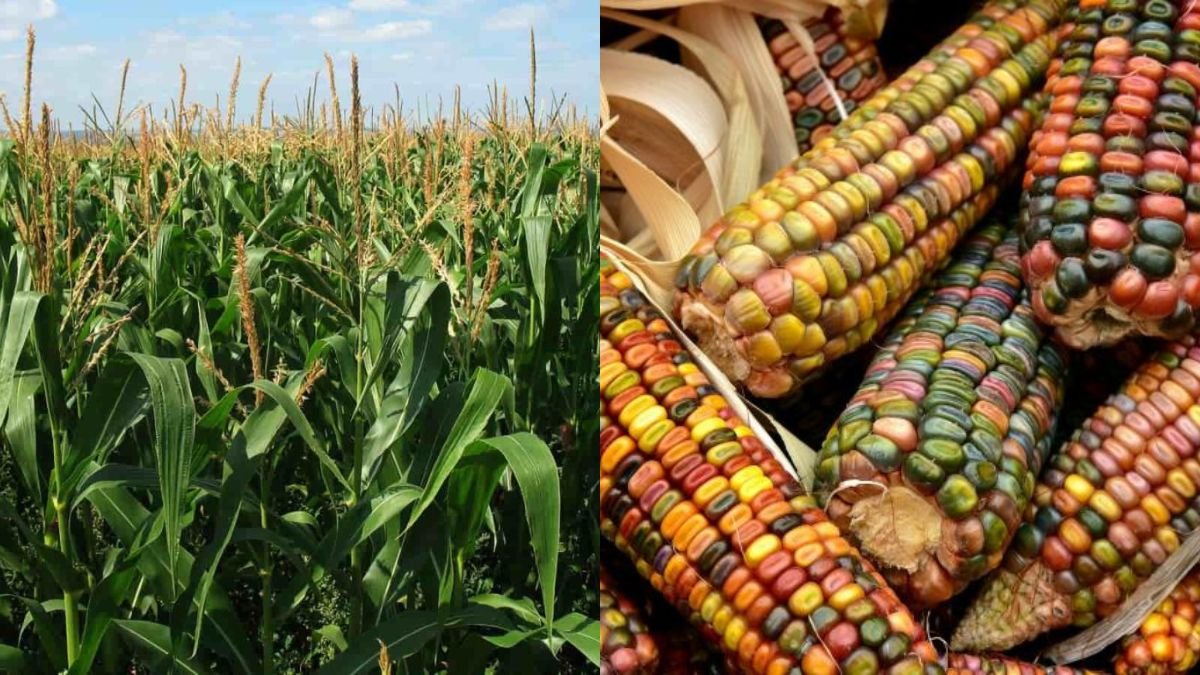
Background Context
Urban gardening is rapidly evolving as city dwellers seek ways to grow fresh produce in limited spaces. Traditionally, corn has been considered a field crop, requiring deep soil, large plots, and ample sunlight. But in recent years, innovative gardeners have started experimenting with growing corn in unconventional spaces — including concrete yards, patios, and rooftops — with surprisingly successful results.
While formal studies on corn grown directly on concrete are limited, practical experiments show that corn can thrive in containers, raised beds, and deep soil layers placed on concrete surfaces. The key is replicating the essential conditions of a natural field: nutrient-rich soil, consistent moisture, full sun, and effective pollination. (youtube.com)
Urban and backyard gardeners are now proving that even small, seemingly unfit spaces can produce healthy corn with the right approach. This method is perfect for people with minimal ground space who want to grow fresh corn at home.
Why Grow Corn on a Concrete Yard?
Growing corn on a concrete yard might sound unusual, but it offers several advantages:

- Maximized Use of Space: Concrete patios, terraces, and walkways can be converted into productive gardening areas.
- Sunlight Exposure: Concrete areas often have unobstructed sunlight, which is essential for corn.
- Control Over Soil and Water: By using containers, raised beds, or deep soil layers, you can manage nutrients and irrigation more effectively than in open ground.
- Urban Gardening Innovation: This approach allows city dwellers to grow a staple crop like corn without access to farmland. (bhg.com)
When executed correctly, growing corn on concrete yields strong stalks and fully developed ears, demonstrating that space constraints don’t have to limit production.
Key Considerations for Success
1. Soil Depth and Volume
Corn is a deep-rooted plant. To thrive, it requires at least 12–18 inches of loose, nutrient-rich soil. On a concrete yard, gardeners typically use:
- Raised beds: Wood or brick frames filled with topsoil and compost.
- Large containers or tubs: Ensures roots have space to grow.
- Soil-filled trenches or modular boxes: Ideal for patios or rooftops.
Adequate soil volume is crucial to support root growth, maintain moisture, and supply nutrients to tall stalks. (reddit.com)
2. Sunlight Requirements
Corn requires full sun — ideally 6–8 hours per day. Concrete areas often provide clear, unobstructed sunlight. The reflective surface of concrete may even increase light exposure, though it can raise temperatures, so careful watering and mulching are essential to prevent heat stress.

3. Watering and Moisture Management
Concrete does not absorb water, so irrigation must be carefully managed:
- Drip irrigation or soaker hoses: Ensure even watering.
- Manual watering: Check soil moisture daily, especially during hot weather.
- Mulching: Reduces evaporation and maintains consistent soil moisture.
Consistent moisture supports leaf growth, tassel development, and kernel formation, all critical for high yields. (reddit.com)
4. Pollination
Corn relies on wind pollination. In small, confined spaces, natural wind may be insufficient. Strategies to improve pollination include:
- Planting corn in clusters or blocks instead of single rows.
- Manually shaking plants or brushing silks to distribute pollen.
- Ensuring that tassels and silks mature simultaneously.
These methods increase the chances of successful kernel development and overall yield. (reddit.com)

5. Choosing the Right Corn Variety
For concrete or urban setups, compact or early-maturing varieties are preferable:
- Shorter plants are less likely to topple.
- Faster-growing varieties reduce time to harvest.
- Some hybrids produce more ears per stalk, ideal for high-density planting. (kcur.org)
Step-by-Step Guide to Growing Corn on Concrete
- Select a sunny concrete area: South-facing patios or rooftops work best.
- Prepare soil containers: Use raised beds, tubs, or large boxes filled with nutrient-rich soil.
- Plant seeds or seedlings: Follow recommended spacing (6–12 inches apart) to allow airflow and sunlight penetration.
- Install irrigation system: Drip hoses or soaker lines ensure consistent moisture.
- Mulch soil surface: Retains water and regulates temperature.
- Support stalks if necessary: Stakes or trellises prevent tall plants from falling.
- Monitor growth and pollinate: Hand-assisted pollination helps ensure kernels develop fully.
- Fertilize regularly: Use organic compost or liquid fertilizer every 2–3 weeks.
- Harvest when mature: Check husks for silk dryness and kernels for plumpness.
Following this approach, gardeners report surprising results — strong stalks, multiple ears per plant, and overall high yields despite growing on unconventional surfaces. (youtube.com)
Benefits of Growing Corn in Urban Concrete Spaces
- Urban Food Production: Adds fresh produce options for city dwellers.
- Learning Opportunity: Urban gardening teaches soil management, irrigation, and pollination techniques.
- Maximized Space Use: Converts otherwise unused concrete areas into productive zones.
- Sustainability: Encourages local food production, reducing reliance on store-bought corn.
Urban experiments show that with careful planning, even traditional crops like corn can adapt to unconventional growing environments.
Expert Tips for Maximum Yield
- Use quality, nutrient-rich soil to compensate for lack of natural ground fertility.
- Ensure adequate spacing for airflow and pollination.
- Regular watering and mulching prevent stress in concrete settings.
- Choose compact or fast-maturing varieties for limited-space planting.
- Support tall stalks to avoid wind damage. (kcur.org)
By combining these tips with consistent monitoring, urban gardeners can achieve strong corn growth and surprisingly high yields.

Authoritative Sources
- Corn Production Guidelines — Agricultural Universities: Offer soil, water, and spacing recommendations.
- Urban Agriculture Manuals: Guidance for growing traditional crops in urban settings.
- Gardening Forums: Practical insights from home growers experimenting with unconventional spaces.
- YouTube Case Studies: Demonstrations of corn growing on concrete yards and patios. (youtube.com)
These sources provide reliable advice for both beginners and advanced urban gardeners.
Final Thoughts
Growing corn on a concrete yard may seem unconventional, but with the right preparation, it is entirely possible to achieve high yields and healthy plants. Key factors include deep, nutrient-rich soil, sufficient sunlight, consistent watering, and careful pollination.
Urban gardening continues to redefine how and where staple crops like corn can be grown. By using raised beds, containers, and creative irrigation methods, even concrete surfaces can become productive gardens. Whether for personal consumption or urban food security, this approach demonstrates that innovation, planning, and care can turn unconventional spaces into surprising sources of fresh produce.
For anyone with limited outdoor space, experimenting with corn on a concrete yard offers both a rewarding gardening challenge and a sustainable way to grow food at home.