Background Context
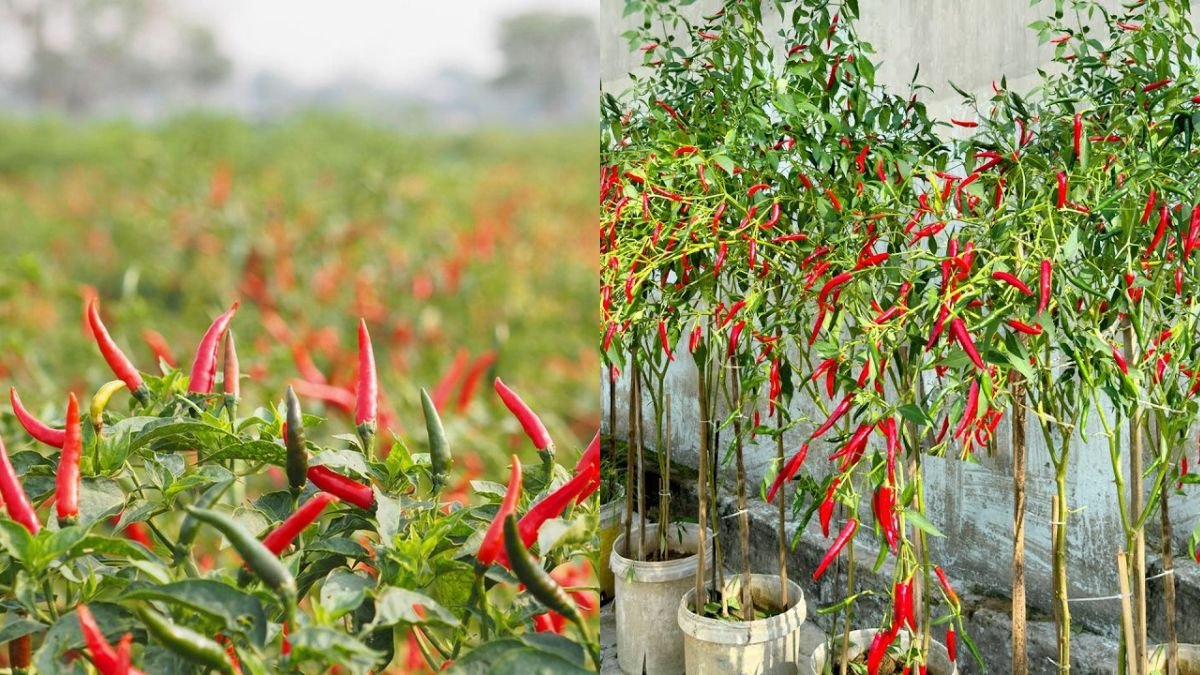
Chili peppers are among the most rewarding plants to grow at home. They not only provide vibrant color and flavor but also offer the potential for high yields even in small spaces. With the rise of urban gardening, home growers are discovering that, with the right techniques, chili peppers can thrive in balconies, patios, rooftops, and small backyard beds.
Recent gardening insights emphasize that careful planning, proper care, and the use of high-quality soil and containers can dramatically increase pepper harvests. From selecting the right varieties to monitoring pests, following expert recommendations is key to achieving lots of healthy fruits per plant. (spicytrio.com)
Home gardeners are increasingly sharing innovative methods that allow chili plants to produce more peppers than expected, proving that space and experience are not limiting factors.
Choosing the Right Chili Varieties
The first step to a high-yield chili garden is selecting varieties suited to your climate and taste preferences. Some of the best high-yielding options include:
- Cayenne: Vigorous plants with many pods.
- Habanero & Scotch Bonnet: Hot varieties that thrive in warm climates.
- Ghost & Carolina Reaper: Extremely spicy and capable of producing abundant fruit under optimal conditions.
Selecting the right type is crucial because each variety has specific sunlight, temperature, and care requirements. Matching your chili to your environment increases both plant health and harvest quantity. (homesandgardens.com)

Sunlight Requirements
Chili peppers are sun-loving plants and require 6–8 hours of direct sunlight daily. Plants grown in insufficient light may produce fewer flowers and smaller fruits.
If you are growing peppers indoors or in a partially shaded area, consider supplementing sunlight with LED grow lights or other artificial light sources to ensure strong growth. Adequate sunlight helps plants photosynthesize efficiently, producing more flowers and ultimately more peppers. (gardeningtips.in)
Preparing the Soil
Soil quality is the foundation of a high-yield chili pepper harvest. Ideal soil should be:
- Well-draining to prevent root rot.
- Rich in organic matter to provide nutrients throughout the season.
- Slightly acidic to neutral with a pH of 6.0–7.0.
A mixture of compost, perlite, and high-quality potting soil ensures that roots grow strong, retain moisture, and absorb nutrients efficiently — key factors for increasing fruit production. (trucoshogarjardin.com)
Watering for Success
Chili peppers need consistent moisture, but overwatering can be just as harmful as underwatering. The soil should remain evenly moist but not soggy.

Watering tips:
- Water deeply when the top inch of soil feels dry.
- Avoid wetting the leaves to reduce disease risk.
- Apply mulch around the base of the plant to retain moisture and regulate soil temperature.
Morning watering is preferred, as it allows the soil to absorb moisture before the day heats up, reducing stress on the plants. (spicytrio.com)
Fertilization
Fertilization plays a critical role in boosting chili yield. Begin with a balanced fertilizer (10-10-10) to encourage overall growth. Once flowering begins, switch to a fertilizer higher in phosphorus and potassium to promote fruit development.
Organic alternatives such as compost tea, fish emulsion, or well-rotted manure are excellent for providing nutrients while improving soil structure and microbial activity. (trucoshogarjardin.com)
Pruning and Training
Proper pruning encourages plant health and maximizes fruit production:

- Remove early flowers to allow the plant to establish strong roots and leaves.
- Thin seedlings to reduce competition.
- Top or pinch back plants to encourage bushier growth and more fruiting sites.
- Stake taller plants to prevent bending or breaking.
Pruning improves airflow around the plant, reduces disease risk, and allows sunlight to reach all branches, supporting higher yields. (spicytrio.com)
Spacing and Timing
Plant chili seedlings after the last frost when soil temperatures are above 60°F (15°C). Early planting ensures a longer growing season.
Proper spacing is essential: 18–24 inches between plants allows adequate airflow and access to sunlight, which reduces disease risk and increases yield. Crowding can lead to smaller, fewer fruits due to competition for nutrients and light. (gardeningtips.in)
Pest and Disease Management
While chili plants are generally hardy, pests such as aphids, spider mites, and whiteflies can affect production. Strategies to prevent infestations include:
- Planting flowers nearby to attract beneficial insects.
- Watering at the soil level to reduce fungal disease.
- Using organic sprays like neem oil when pests appear.
Maintaining good airflow and proper spacing helps keep plants healthy and maximizes fruit production. (chili-shop24.com)

Raised Beds and Containers
For gardeners with poor soil or limited space, raised beds and containers are ideal. They allow full control over soil composition, drainage, and watering, helping peppers thrive even in small spaces. Containers also make it easier to move plants to sunnier areas or indoors if necessary, prolonging the growing season. (planterboss.com)
Harvesting
Chili peppers can be harvested once they reach mature color and size. Regular harvesting encourages plants to produce more fruit.
Tips for harvesting:
- Leave a small portion of the stem attached to the fruit.
- Use scissors or garden shears to avoid damaging the plant.
- Harvest frequently to encourage continuous production.
Proper harvesting techniques can significantly increase your total yield over the season.
Expert Tips from Gardeners
Experienced chili growers share these practical insights: (reddit.com)

- Repot seedlings into larger containers to avoid root crowding.
- Switch fertilization to higher phosphorus during flowering.
- Ensure consistent sunlight and airflow to prevent disease.
- Use mulch to retain moisture and reduce soil temperature stress.
These hands-on tips can boost both plant health and overall yield for home-grown chili peppers.
Authoritative Sources
- Spicy Trio – Pepper Yield Tips: Practical advice for growing more fruit per plant. (spicytrio.com)
- Home Garden Tips: Soil preparation, sunlight, and plant care for abundant harvests. (trucoshogarjardin.com)
- PlanterBoss – Raised Bed Pepper Guide: Step-by-step advice for maximizing growth in controlled environments. (planterboss.com)
- Gardening Communities: Insights and real-world experience from home growers. (reddit.com)
Final Thoughts
Growing chili peppers at home can be both enjoyable and productive. By selecting the right varieties, providing adequate sunlight, preparing nutrient-rich soil, watering carefully, fertilizing at key stages, pruning strategically, and monitoring pests, gardeners can achieve high yields and vibrant, flavorful peppers.
These strategies not only increase productivity but also make home gardening more rewarding. With dedication and consistent care, you can enjoy a bountiful harvest of chili peppers season after season, right in your own backyard, balcony, or rooftop garden.