Growing your own food is no longer just a hobby for experienced gardeners. Today, more beginners are discovering that many vegetables are delicious, extremely healthy, and surprisingly easy to grow, even with limited space or experience. With the right plant choices and simple care methods, anyone can enjoy fresh, nutritious harvests from a balcony, backyard, terrace, or even a sunny window.
For beginners, the idea of gardening may feel intimidating. Concerns about soil, pests, watering, and plant failure often stop people before they even begin. However, gardening experts consistently highlight that certain vegetables thrive with minimal effort, grow quickly, and forgive small mistakes. These plants are ideal for new growers who want fast results, healthy food, and confidence-building success.
This guide explains why [FOCUS KEYWORD] fits perfectly into beginner gardens, which vegetables are easiest to grow, how to care for them simply, and how homegrown produce can significantly improve health and daily meals.
Why Beginners Should Grow Easy and Healthy Vegetables
Vegetables grown at home are often fresher, more nutritious, and more flavorful than store-bought produce. Because they are harvested at peak ripeness, they retain higher levels of vitamins, minerals, and antioxidants. Growing your own vegetables also means you control what goes into the soil, avoiding unnecessary chemicals and pesticides.
For beginners, easy-to-grow vegetables provide several advantages:
- Fast growth builds confidence
- Minimal maintenance reduces stress
- Reliable harvests prevent disappointment
- Simple techniques make learning enjoyable
Choosing the right vegetables from the start is the most important step toward long-term gardening success.

What Makes a Vegetable Beginner-Friendly?
Vegetables that are very easy to grow for beginners usually share these characteristics:
- They germinate quickly
- They tolerate a wide range of conditions
- They grow well in containers or small spaces
- They require simple watering and feeding
- They mature quickly and can be harvested multiple times
When these traits combine, beginners experience visible progress early, which keeps motivation high and encourages continued gardening.
Top Delicious and Extremely Healthy Vegetables for Beginners
Leafy Greens
Leafy greens such as lettuce, spinach, and kale are among the easiest vegetables to grow. They grow quickly, require shallow soil, and can be harvested in stages. Many varieties are ready within 25–40 days, making them perfect for impatient beginners.
These greens are rich in vitamins A, C, and K, along with iron and fiber. Loose-leaf varieties allow continuous harvesting by cutting outer leaves while the plant keeps growing.
Radishes
Radishes are one of the fastest-growing vegetables in the garden. Some varieties mature in just 25–30 days. They are ideal for beginners because they germinate quickly and clearly show progress, which is encouraging for first-time growers.
Radishes are low in calories and high in antioxidants, vitamin C, and fiber. They grow well in containers and raised beds and require very little maintenance.

Tomatoes
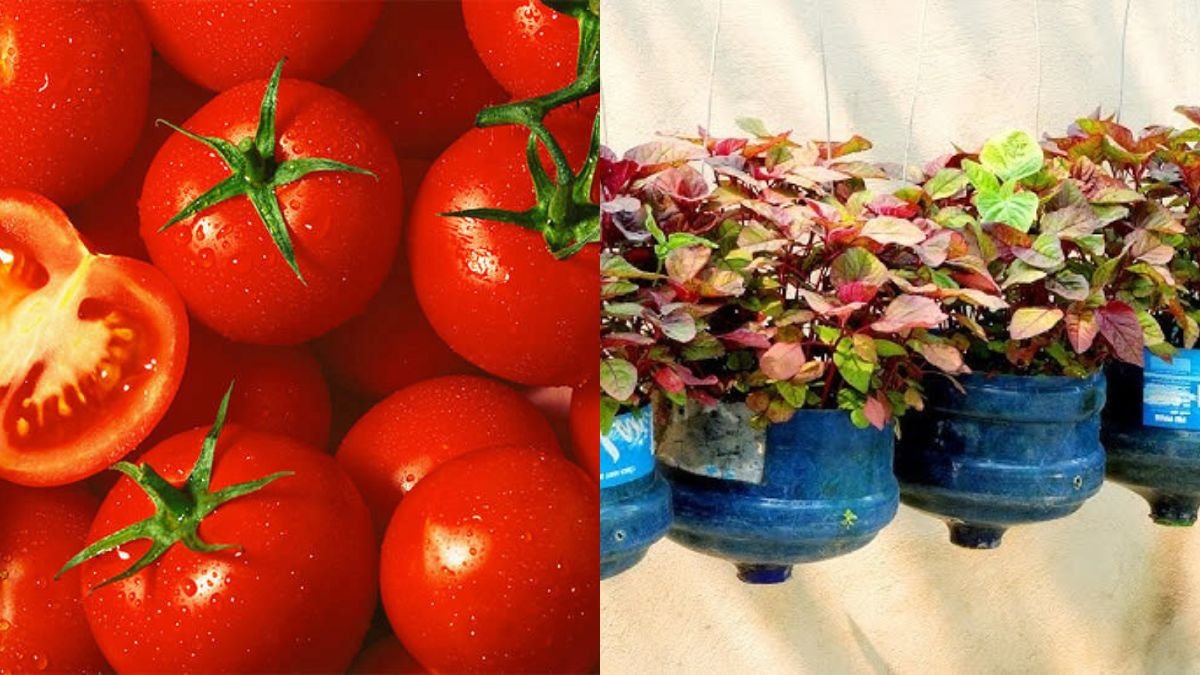
Tomatoes are popular worldwide and surprisingly beginner-friendly when grown in the right conditions. They thrive in containers, grow bags, or garden beds and reward growers with abundant harvests.
Tomatoes are rich in lycopene, an antioxidant linked to heart health and reduced inflammation. With proper sunlight, consistent watering, and basic support, even beginners can enjoy homegrown tomatoes that taste far better than store-bought ones.
Herbs
Herbs such as basil, mint, coriander, and parsley are extremely easy to grow and perfect for small spaces. Many herbs grow well indoors and can be harvested repeatedly.
Fresh herbs enhance flavor while offering health benefits like improved digestion and antioxidant support. Because herbs grow quickly and bounce back after harvesting, they are ideal confidence boosters for new gardeners.
Carrots and Other Root Vegetables
Carrots are another excellent beginner crop when grown in loose, well-draining soil. They require little maintenance and grow well in deep containers or garden beds.
Carrots are rich in beta-carotene, fiber, and essential nutrients that support eye and immune health. With regular watering and patience, beginners can grow straight, sweet carrots at home.

How to Grow [FOCUS KEYWORD] Successfully as a Beginner
Soil Preparation
Healthy soil is the foundation of a successful garden. Beginners should use loose, well-draining soil mixed with organic compost. This provides essential nutrients and supports strong root growth.
For containers, a quality potting mix is recommended because it drains well and prevents root problems.
Choosing the Right Containers
Many beginner-friendly vegetables grow well in pots, grow bags, or recycled containers. Ensure containers have drainage holes to prevent waterlogging. Even small spaces can support productive gardens when containers are used efficiently.
Sunlight Requirements
Most vegetables need at least 6–8 hours of sunlight daily. Place plants in the sunniest available location. If sunlight is limited, choose leafy greens and herbs, which tolerate partial shade better than fruiting vegetables.
Watering Basics
Consistent watering is more important than frequent watering. Beginners should water when the top layer of soil feels dry. Overwatering is a common mistake and should be avoided.
Mulching with dry leaves or straw helps retain moisture and keeps soil temperatures stable.

Feeding and Maintenance
Beginner vegetables do not need heavy feeding. Adding compost every few weeks is usually enough. Removing dead leaves and harvesting regularly keeps plants productive and healthy.
Seasonal Growing Tips for Beginners
- Warm Seasons: Tomatoes, basil, radishes, cucumbers
- Cool Seasons: Spinach, lettuce, carrots, kale
Understanding seasonal planting increases success rates and reduces plant stress. Beginners can start small and gradually expand as confidence grows.
Health Benefits of Growing Your Own Vegetables
Growing [FOCUS KEYWORD] at home provides more than just fresh food. It encourages healthier eating habits, reduces grocery costs, and promotes physical activity.
Homegrown vegetables often contain higher nutrient levels than produce that travels long distances. They also reduce exposure to preservatives and chemicals commonly used in commercial farming.
Gardening itself has been shown to reduce stress, improve mental health, and increase overall well-being.
Common Beginner Mistakes to Avoid
- Planting too many crops at once
- Overwatering plants
- Ignoring sunlight needs
- Using poor-quality soil
- Harvesting too late
By starting with easy vegetables and following simple care routines, beginners can avoid these mistakes and enjoy steady success.

Authoritative Sources
- The Old Farmer’s Almanac – Easy Vegetables for Beginners
- Botanic Gardens – Best Vegetables to Grow at Home
- NDTV Health – Healthiest Edible Plants for Kitchen Gardens
- Better Homes & Gardens – Beginner Vegetable Gardening Guides
Conclusion
Growing delicious and extremely healthy vegetables that are very easy to grow for beginners is achievable for anyone, regardless of space or experience. With the right plant choices, simple soil preparation, consistent watering, and basic sunlight awareness, beginners can enjoy fresh, nutritious harvests in just a few weeks.
Starting with [FOCUS KEYWORD] allows new gardeners to build confidence, improve health, and discover the joy of growing their own food. Begin small, stay consistent, and enjoy the satisfaction of harvesting healthy produce straight from your own garden.