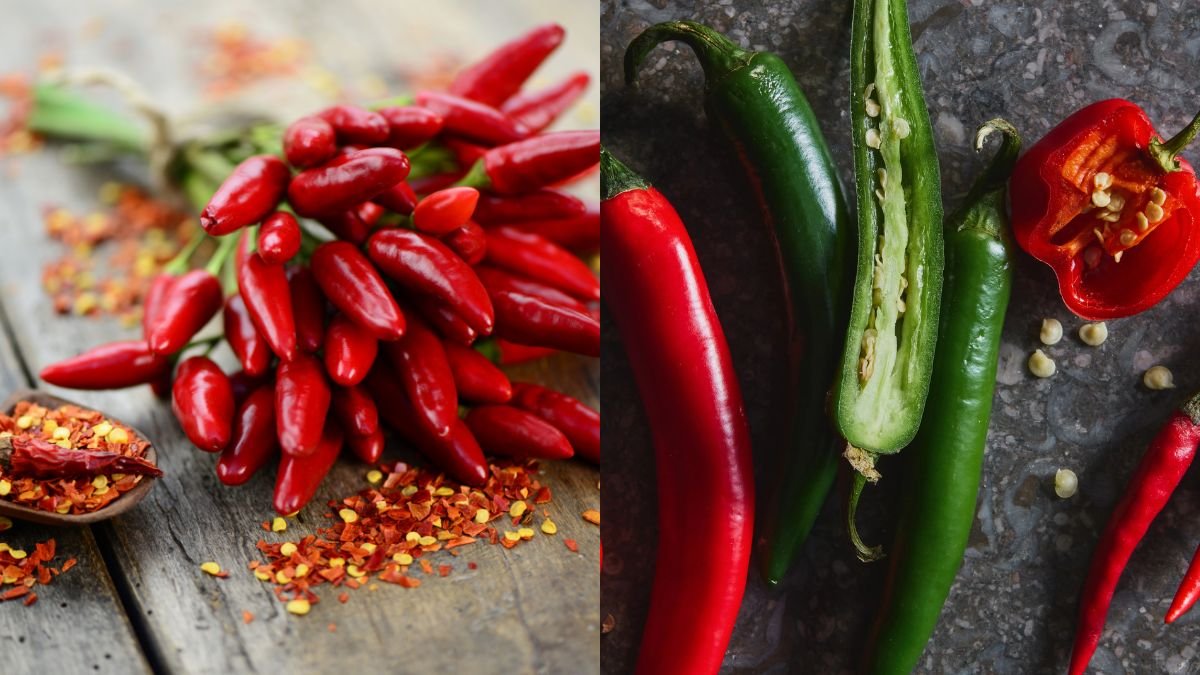
When most people hear the word chili, they think of burning heat, spicy sauces, and fiery flavors that make eyes water. But what if a chili could taste sweet, fruity, and delicious instead? Across gardening and food communities, a surprising discovery is spreading fast — a special type of chili that produces many fruits and tastes sweet rather than hot.
Many first-time growers and home cooks are shocked by this variety, often saying, “Why didn’t I know about this chili earlier?” This chili is transforming how people think about peppers, proving they are not just about heat but also about flavor, aroma, and sweetness. This exciting trend has given rise to a new favorite among gardeners and food lovers alike.
Chili Is Actually a Fruit — And That Explains the Sweetness
Most people assume chilies are vegetables or spices, but botanically, chili peppers are fruits. They belong to the Capsicum family and grow from flowering plants, just like tomatoes and berries. Because they are fruits, chilies naturally contain sugars that become more noticeable when the pepper is low in heat and fully ripe.
The spicy burning sensation in chilies comes from capsaicin, a natural chemical that evolved to protect the fruit from pests. But some chili varieties contain very little capsaicin. When this happens, the natural fruit sugars take over, creating a sweet, juicy, sometimes even tropical flavor.
This is why some chilies can taste like apples, cherries, or citrus — something many people never expect from a pepper.
Why This Sweet Chili Is So Special
The chili behind the [FOCUS KEYWORD] trend has several standout qualities that make it special:

- Very sweet flavor with almost no heat
- High fruit production, meaning more peppers per plant
- Juicy flesh, ideal for fresh eating and cooking
- Easy to grow, even in small gardens or containers
Unlike traditional hot chilies that focus on spice, this variety is grown for taste and productivity. One plant can produce dozens of fruits, making it highly attractive for home gardeners who want maximum harvest in minimal space.
Because it is sweet, children, elderly people, and anyone who avoids spicy food can enjoy it. That’s why it’s gaining popularity so fast.
Sweet and Fruity Chili Varieties You Should Know
Several chili types fit into this sweet and fruity category. If you enjoy the flavor of [FOCUS KEYWORD], you will love these as well.
Ají Dulce
This is one of the most famous sweet chilies in the world. Popular in the Caribbean, ají dulce looks like a hot pepper but has no heat. It delivers rich, fruity aroma and sweetness, making it perfect for soups, sauces, and rice dishes.
Piquillo Pepper
Piquillo peppers are small, red, and incredibly sweet. They are commonly roasted and stuffed in Spanish cuisine. Their smooth texture and mild taste make them perfect for gourmet dishes.
Friggitello
Also known as the sweet Italian pepper, this chili has a mild, slightly sweet flavor and grows in large numbers on each plant. It is often fried or sautéed and used in Mediterranean cooking.

Sweet Jalapeños and Bell Peppers
Even familiar peppers like bell peppers belong to the same chili family. They are bred to remove heat and increase sweetness, which is why they are used widely in salads and stir-fries.
These varieties prove that chilies are not just hot — they are incredibly diverse in flavor.
Why Gardeners Love This Chili
One of the biggest reasons [FOCUS KEYWORD] is becoming so popular is how productive it is. A single plant can produce dozens of fruits throughout the growing season. That means:
- More harvest from fewer plants
- Better use of limited space
- More food for the family
These chilies grow well in pots, grow bags, balconies, terraces, and even indoors near windows. They also mature quickly, allowing gardeners to harvest several times in one season.
Because they are less sensitive to pests than many vegetables, they are also easier to care for.
How to Grow Sweet Chili at Home
Growing sweet chili like [FOCUS KEYWORD] is simple and rewarding.

Step 1: Choose Quality Seeds
Look for sweet or mild chili varieties. Seed packets often mention “sweet,” “no heat,” or “mild.”
Step 2: Use Good Soil
Use loose, well-draining soil mixed with compost. Chilies love rich soil.
Step 3: Provide Sunlight
Chili plants need at least 6–8 hours of sunlight daily. Place them on a sunny balcony or terrace.
Step 4: Water Regularly
Water when the soil feels dry on top. Do not overwater, as chili roots do not like soggy soil.
Step 5: Harvest Often
The more you harvest, the more fruits the plant will produce.
With just a little care, one plant can feed your household for months.

Cooking With Sweet Chili
The biggest surprise about sweet chilies is how versatile they are in the kitchen.
You can use them in:
- Fresh salads
- Stir-fried vegetables
- Pasta and noodles
- Sandwiches
- Omelets
- Grilled dishes
- Pickles
Because they are not spicy, they blend beautifully with other flavors. Their sweetness enhances both vegetarian and non-vegetarian meals.
Some people even eat them raw like fruit.
Why You Probably Never Knew About It
Hot chilies dominate markets and media. They get attention because of their heat, not their flavor. Sweet chilies, on the other hand, are often grown locally and shared through gardening communities rather than big commercial farms.
That’s why many people discover them only after someone shares seeds or posts about them online. Once people taste them, they immediately fall in love.

The Future of Sweet Chilies
With more people turning to home gardening, especially in cities, sweet chili varieties like [FOCUS KEYWORD] are becoming increasingly popular. They offer:
- High yields
- Low maintenance
- Amazing flavor
- Safe eating for all ages
As awareness grows, these chilies are likely to become a regular part of home gardens and kitchens around the world.
Conclusion
The world of chili peppers is far bigger and sweeter than most people realize. The chili behind [FOCUS KEYWORD] proves that peppers can be sweet, juicy, productive, and incredibly delicious.
If you love gardening, cooking, or simply discovering new flavors, this is one plant you shouldn’t miss. Once you grow or taste it, you’ll probably say the same thing everyone else is saying: