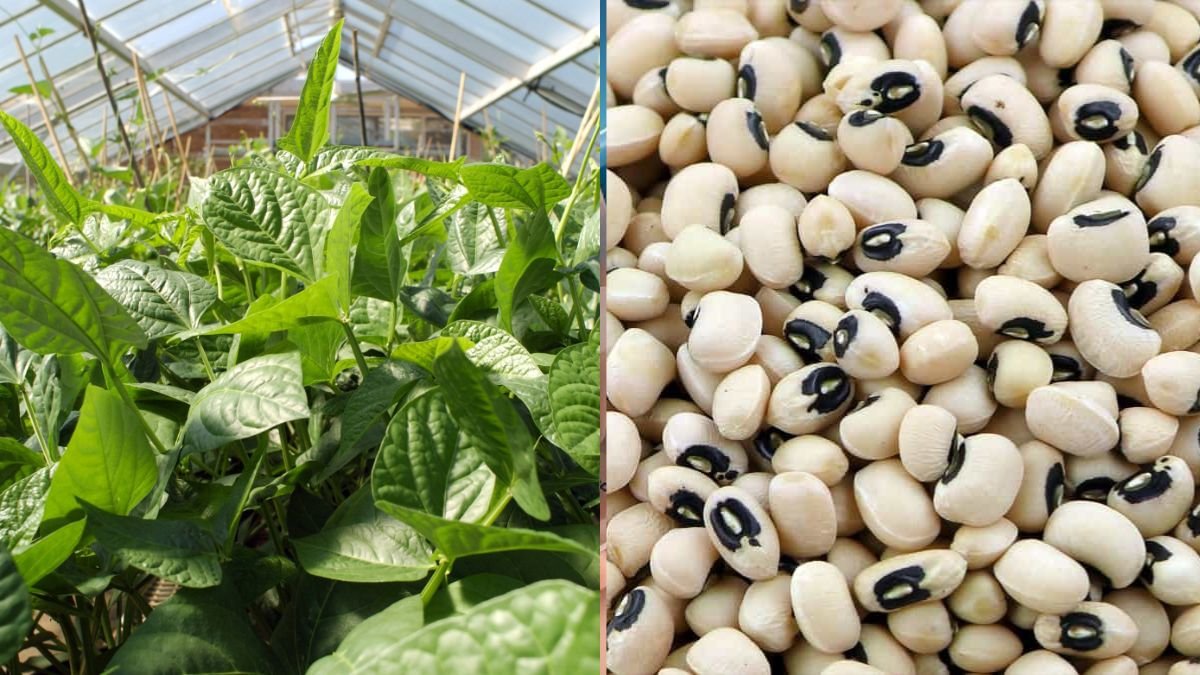
Why Grow Cowpeas Off-Season at Home?
Cowpeas offer numerous benefits for home gardeners:
- Nutrient-rich crop: High in protein, fiber, and essential vitamins.
- Heat-tolerant and drought-resistant: Perfect for warmer climates.
- Home gardening friendly: Can grow in containers, grow bags, or small plots.
- Soil improvement: Being a legume, cowpeas help fix nitrogen, enriching the soil for future crops.
Growing off-season cowpeas lets you enjoy fresh pods and dried beans outside the usual planting months, giving your home garden a continuous harvest. This method is especially useful for urban gardeners looking to maximize food production in small spaces.
Selecting the Right Varieties
Choosing the correct variety is crucial for off-season success. Consider:
- Bush types: Compact, earlier-maturing, and easy to manage.
- Dwarf varieties: Ready in 40–50 days; ideal for tight spaces and short seasons.
- Vine types: High yield but require support such as stakes or trellises.
Dwarf or bush varieties are especially suitable for container planting and staggered planting schedules to maintain continuous production.

Preparing the Soil
Cowpeas thrive in well-drained, fertile soil. A simple container or garden bed mix can include:
- 2 parts garden soil
- 1 part compost or vermicompost
- 1 part sand or coco coir
Good drainage prevents seed rot, supports healthy root development, and provides essential nutrients for strong plant growth. Avoid heavy clay soils, which may retain too much water.
Sowing Cowpeas
Seed Preparation
Soak seeds for 6–8 hours before planting to encourage faster, uniform germination.
Sowing Depth & Spacing
- Depth: Sow seeds about 1–2 cm deep.
- Spacing: Space seeds 4–6 inches apart to allow airflow and prevent disease.
Timing
Cowpeas grow best in warm soil (above 18°C / 65°F) and need 6–8 hours of sunlight daily. In temperate regions, off-season growth is possible with microclimates, containers, or protective covers to extend warmth.

Watering & Sunlight
Cowpeas are moderately drought-tolerant, but proper watering is essential, especially off-season:
- Water regularly, keeping the soil moist but not soggy.
- Avoid overwatering, which can cause root rot.
- In warmer climates, water in the early morning or late afternoon to reduce evaporation.
Ensure plants receive full sunlight whenever possible. For late-season planting, row covers or shade cloth can protect plants from unexpected cold or intense heat.
Supporting Your Plants
- Bush types: Often grow upright without support.
- Vine types: Require stakes, trellises, or lattice support.
Providing support ensures airflow, reduces pest problems, and promotes healthy flowering and pod development. Mulching around the base can help retain moisture, suppress weeds, and regulate soil temperature.
Fertilization
While cowpeas naturally fix nitrogen, adding organic fertilizers can enhance growth, especially for off-season crops:

- Vermicompost or compost tea
- Cow dung liquid fertilizer
- Organic mulch for slow nutrient release
Apply fertilizer every 10–15 days to promote healthy growth and encourage more pods.
Harvesting Cowpeas
Cowpeas can be harvested at different stages:
- Young pods: Pick when tender for fresh consumption.
- Mature green pods: Harvest when fully filled but still green.
- Dry seeds: Allow pods to mature and dry for storage.
Regular harvesting encourages the plant to produce more pods and prolongs the harvest period. Picking outer leaves or pods first helps maintain plant health and continued growth.
Tips for Off-Season Success
- Stagger plantings every 2–3 weeks to maintain a continuous supply.
- Use containers in cooler climates to control soil warmth and moisture.
- Protect plants with covers or shade cloth against unexpected temperature drops or excessive sun.
- Monitor for pests such as aphids or beetles and treat organically using neem oil or mild soap water.
- Rotate plants to ensure even sunlight exposure and reduce disease risk.
Advantages of Off-Season Cowpea Gardening
- Continuous food supply: Enjoy fresh cowpeas year-round.
- Sustainable gardening: Reduces the need to buy store-bought vegetables.
- Cost-effective: Minimal investment required for seeds, soil, and basic containers.
- Space-efficient: Works well in small urban gardens, terraces, or balconies.
By following simple care techniques, home gardeners can achieve impressive yields even outside the traditional growing season.

Global Success Stories
- India: Home gardeners in urban areas are growing cowpeas in containers and small plots, ensuring a fresh supply throughout the year. (thebetterindia.com)
- Kenya & Ghana: Farmers use container and small-plot methods to grow cowpeas outside the typical planting season, reducing dependency on store-bought beans. (safiorganics.co.ke)
- Tropical & Subtropical Regions: Continuous cowpea cultivation is achieved using microclimates, container planting, and protective covers. (pza.sanbi.org)
These examples demonstrate that off-season cowpea gardening is accessible and effective for home growers worldwide.
Authoritative Sources
For detailed guidance, consult these resources:
- PlantZAfrica – Cowpeas (Vigna unguiculata): Comprehensive growth overview. (pza.sanbi.org)
- SARE – Managing Cowpea Cover Crops: Best practices for soil and planting. (sare.org)
- Native Indian Organics – Cowpea Seeds Guide: Seed care, sowing tips, and variety selection. (nativeindianorganics.com)
- Golden Hills – Green Dwarf Cowpeas: Year-round sowing options and compact varieties. (goldenhillsfarm.in)
Conclusion
Growing off-season cowpeas at home is both simple and rewarding. By selecting the right varieties, preparing well-draining soil, controlling water and sunlight, and applying organic care, home gardeners can enjoy fresh cowpeas throughout the year. This method promotes sustainability, reduces grocery costs, and supports healthy eating. Whether in containers, grow bags, or small garden plots, cowpeas are a perfect off-season crop for home gardeners of all skill levels.
Start today, follow these simple steps, and enjoy your home-grown cowpeas year-round — fresh, nutritious, and always available
