Introduction
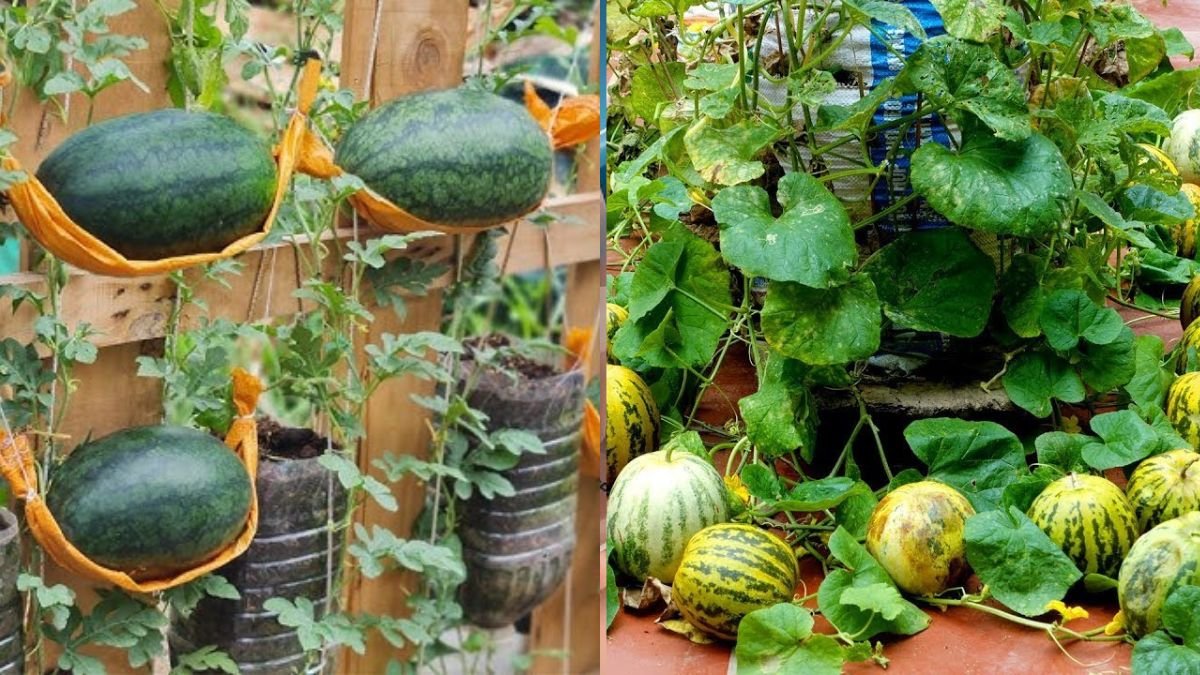
Urban dwellers, particularly townhouse residents, often face a common challenge: limited space for gardening. But growing your own fresh produce, including melons, doesn’t have to be impossible. Thanks to creative urban gardening techniques, you can Turn Plastic Bottles Into Super Fruits Melon Garden – Perfect Solution for Townhouses.
Reusing plastic bottles as planters offers a practical, eco-friendly solution to space constraints. By transforming waste into productive vertical gardens, homeowners can enjoy fresh fruits, minimize environmental impact, and beautify balconies or walls. This method is not only budget-friendly but also surprisingly effective for cultivating melons and other small fruits. (The Better India)
Why Plastic Bottle Gardens Work for Townhouses
Plastic bottle gardening has gained popularity because it combines space efficiency, sustainability, and cost-effectiveness. In townhouses, floor space is often limited, but walls, railings, and fences remain underutilized. Vertical gardens using recycled bottles allow you to grow melons in a compact, organized manner.
Key Benefits:
- Cost-effective: Bottles are free or low-cost and easy to repurpose. (AgriFarming)
- Space-saving: Vertical setups use wall or balcony space, freeing the floor for other purposes. (UrbanPlant)
- Eco-friendly: Reduces plastic waste while promoting sustainable gardening. (The Better India)
- Versatile: Suitable for melons, herbs, leafy greens, and compact vegetables.
Plastic bottle gardens are particularly suited for townhouse balconies and terraces, where traditional gardening methods are limited.

How to Turn Plastic Bottles Into a Melon Garden
Creating a productive melon garden using plastic bottles is straightforward. Here’s a step-by-step approach for townhouse gardeners:
1. Gather Materials
You’ll need:
- Empty plastic bottles (1–2 liters work best)
- Cutter or scissors
- Drill or heated nail for drainage holes
- Rope, twine, or hooks
- Potting soil mixed with compost
- Melon seeds or seedlings
Clean bottles thoroughly, remove labels, and ensure they are free from residue. (The Better India)
2. Prepare the Bottles
There are three common ways to convert bottles into planters:

A. Cut-the-Bottom Planter
- Cut off the bottom while keeping the cap intact.
- Make small holes in the cap for drainage.
- Hang upside down from ropes or balcony railings.
This method creates a compact, drip-proof planter ideal for trailing melon vines. (The Better India)
B. Stacked Vertical System
- Punch holes near the bottle neck and base.
- Thread rope through multiple bottles to create a vertical column.
- The top bottle drains into the lower ones, maintaining consistent moisture. (VertGar)
C. Horizontal Planters
- Cut bottles in the middle, lay on their side with drainage holes.
- Attach horizontally to railings or walls.
- Offers slightly more root space, suitable for larger melon varieties. (The Better India)
Each design maximizes vertical space, a major advantage in townhouse gardens. (UrbanPlant)
Growing Melons in Plastic Bottles
Melons can grow successfully in containers if the right techniques are used. Small or dwarf melon varieties are best suited for bottle gardens.
1. Sunlight
Melons need 6–8 hours of direct sunlight daily. Place bottles on south or east-facing walls or balconies for optimal light. (The Better India)

2. Soil and Fertilization
- Use well-draining potting soil mixed with compost.
- Nutrients deplete faster in small containers, so fertilize every 2–3 weeks with organic fertilizer.
- Early growth benefits from nitrogen-rich soil; flowering requires higher potassium for sweet, juicy fruit.
3. Watering
- Maintain even moisture; avoid waterlogging.
- Ensure bottles have drainage holes.
- Use drip irrigation or water carefully so top bottles feed lower ones. (Flat Gardening)
4. Vine Support
As melons grow, support vines with trellis or railing attachments. This prevents excessive weight on bottle planters and ensures better air circulation.
Best Melon Varieties for Bottle Gardens
- Mini melons – compact and suitable for container growth.
- Sugar baby watermelons – small, high-yield fruits.
- Dwarf cantaloupes – adapted for pots or vertical setups.
- Baby musk melons – small vines thrive in limited soil volume.
Starting from seedlings rather than seeds increases success, especially in urban container setups.
Design Inspiration for Townhouses
Several innovative setups have emerged in urban gardening:
- Vertical Green Walls: Rows of bottles hung vertically create cascading melon gardens. (The Better India)
- Hanging Layers: Multiple bottles stacked or staggered maximize sunlight exposure for each plant. (VertGar)
- Horizontal Shelving: Provides extra root depth for slightly larger fruits. (The Better India)
These designs improve aesthetics, optimize space, and make maintenance manageable.

Environmental and Community Benefits
Creating a plastic bottle melon garden not only produces fruits but also promotes sustainable urban living:
- Reduces plastic waste by reusing bottles.
- Enhances air quality and greenery in dense urban areas.
- Inspires neighbors to adopt eco-friendly gardening practices.
- Encourages small-scale food production for households with limited space. (The Better India)
Expert Tips for Success
- Sunlight: Ensure bottles receive sufficient light.
- Drainage: Adequate drainage prevents root rot.
- Nutrients: Feed consistently to support vigorous growth.
- Vine Management: Tie vines gently to prevent damage.
- Pollination: Hand-pollinate or attract pollinators for maximum fruit set.
With consistent care, even small townhouses can yield surprisingly productive melon gardens.
Authoritative Sources for Further Reading
- The Better India – step-by-step DIY bottle garden plans. (The Better India)
- UrbanPlant.in – creative recycled gardening solutions. (UrbanPlant)
- Balcony Garden Web – vertical gardening techniques for urban spaces. (BalconyGardenWeb)
These sources provide practical, tested methods for growing melons and other crops in compact urban settings.
Conclusion
You don’t need a backyard to grow melons. By learning to Turn Plastic Bottles Into Super Fruits Melon Garden – Perfect Solution for Townhouses, urban dwellers can maximize limited space while promoting sustainability.

Vertical plastic bottle gardens allow you to grow healthy melons, herbs, and greens in small townhouses or apartment balconies. With careful placement, nutrient-rich soil, proper watering, and vine support, even small spaces can yield big, sweet, juicy fruits. 🌿🍈
This DIY approach combines eco-conscious living with urban agriculture — proving that even in a townhouse, you can grow your own super fruits.