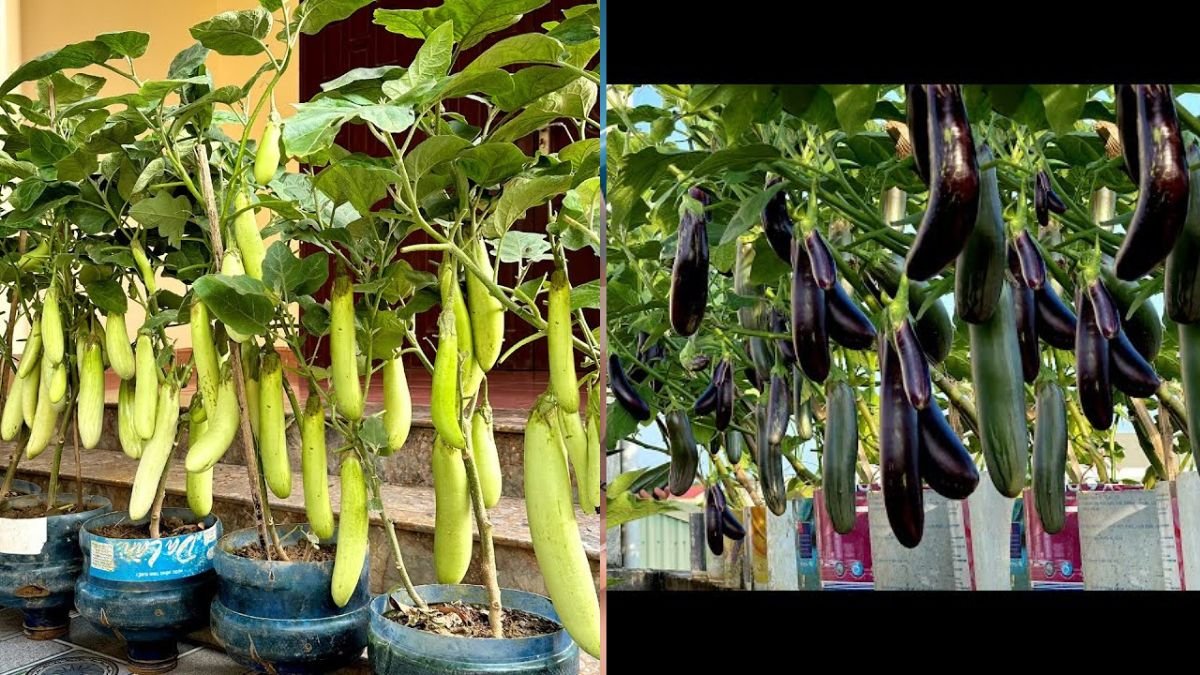
Understanding the Importance of Organic Eggplant Cultivation
Organic gardening is becoming increasingly popular as gardeners look for safe, chemical-free methods to grow nutritious produce. Eggplants thrive when soil biology is nurtured, plant nutrition is provided naturally, and pest management relies on ecological balance rather than chemicals. Rich, living soil promotes strong roots, healthy foliage, and continuous flowering, which is essential for repeated fruit production. (sustainablegardeningnews.com)
Eggplants are part of the nightshade family, related to tomatoes and peppers, which means they are susceptible to common pests and diseases. Organic cultivation practices, such as crop rotation, soil enrichment, and companion planting, help minimize disease pressure while encouraging robust plant growth. By supporting soil health and using natural methods, gardeners can achieve sustained productivity throughout the season.
1. Start with Quality Organic Seeds and Fertile Soil
The foundation of successful organic eggplant production begins before planting:

- Choose certified organic seeds or seedlings to ensure true chemical-free growth. Organic seeds are often bred for vigor, disease resistance, and adaptability to different climates. (sustainablegardeningnews.com)
- Prepare fertile, well-drained soil by mixing garden soil with compost, vermicompost, or aged manure. Organic matter improves soil structure, retains moisture, and promotes healthy microbial activity, which supports strong root systems. (veg.international)
- Adjust soil pH to slightly acidic levels (around 5.8–6.5), optimal for nutrient availability and uptake, which directly influences fruit quality and continuous production. (veg.international)
Well-prepared soil is crucial for establishing healthy seedlings and setting the stage for continuous fruiting using [FOCUS KEYWORD] practices.
2. Consistent Watering and Moisture Management
Eggplants require steady moisture to grow properly, particularly during flowering and fruiting. Inconsistent watering can stress plants, reduce yield, and lead to bitter or tough fruits.
- Provide around one inch of water per week through rainfall or irrigation. Drip irrigation is ideal as it delivers water directly to the root zone while keeping leaves dry, reducing disease risk. (newsbytesapp.com)
- Avoid waterlogging, which can cause root rot and leach nutrients. Water deeply but infrequently to encourage strong root growth. (seedy.farm)
- Mulch around plants with straw, grass clippings, or leaf litter to retain soil moisture, maintain stable temperatures, and prevent weeds from competing for nutrients. (farmersmag.co.za)
Consistent moisture management is essential for uninterrupted flowering and fruit set, a core principle of [FOCUS KEYWORD].

3. Nutrient-Rich Organic Feeding
Eggplants are heavy feeders and need continuous nutrition for flowering and fruiting. Proper organic fertilization ensures strong growth without chemicals.
- Incorporate compost and vermicompost before planting and as side dressing during growth stages. These provide slow-release nutrients and improve soil structure. (sustainablegardeningnews.com)
- Supplement with organic liquid fertilizers such as seaweed extract or fish emulsion to support flowering and fruit production. (sustainablegardeningnews.com)
- Avoid excessive nitrogen after flowering begins, as it encourages leafy growth at the expense of fruit set. (groworganic.com)
Balanced nutrition promotes consistent fruiting and ensures plants remain productive throughout the season.
4. Pruning, Support, and Canopy Management
Eggplants benefit from structural care that encourages airflow, prevents disease, and focuses energy on fruit development:

- Prune excess leaves and lower suckers to improve airflow and light penetration, reducing the risk of fungal infections. (theultimatehomestead.com)
- Stake or cage plants to support heavy branches and prevent breakage under the weight of developing fruits. (seedy.farm)
- Remove overcrowded shoots so the plant directs energy to the main stems and developing fruits. (theultimatehomestead.com)
Proper pruning and support maximize fruiting efficiency, encourage multiple harvests, and align with [FOCUS KEYWORD] best practices.
5. Natural Pest and Disease Management
Organic eggplant cultivation relies on ecological strategies rather than synthetic chemicals:
- Companion planting: Plant marigolds, basil, or nasturtiums nearby to repel pests and attract beneficial insects. (sustainablegardeningnews.com)
- Botanical sprays: Use neem oil or garlic-based sprays to deter common pests like aphids and fruit borers. (bhagirathmarket.com)
- Physical barriers: Floating row covers protect young plants while allowing sunlight and air circulation. (newsbytesapp.com)
- Regular monitoring: Early detection and removal of diseased leaves or infected plants prevent widespread damage.
These techniques maintain plant health and ensure continuous fruit production, a critical part of [FOCUS KEYWORD].

6. Harvesting for Continuous Fruit Production
Eggplants produce best when harvested regularly:
- Pick fruits while they are firm, glossy, and medium-sized, as oversized fruits can reduce the plant’s energy for new flowers. (extension.umn.edu)
- Use clean tools to clip fruits rather than pulling, preventing stem damage.
- Remove spent flowers and dying foliage to reduce disease pressure and encourage further flowering.
Frequent, careful harvesting stimulates repeated fruiting cycles and supports a consistent, high-yield organic crop.
Authoritative Sources for Organic Eggplant Growth
For more detailed guidance and research-backed strategies:

- Organic Eggplant Growing Guide — comprehensive tips for soil preparation, fertilization, and continuous production (sustainablegardeningnews.com)
- Growing Eggplant at Home — practical methods for pruning, pest management, and yield optimization (bhagirathmarket.com)
- Eggplant Growing Tips for Chemical-Free Gardens — watering, feeding, and companion planting (newsbytesapp.com)
- University of Minnesota Extension — soil, planting, and harvest techniques for optimal fruiting (extension.umn.edu)
Conclusion
Growing super top-quality organic eggplants requires careful planning, consistent care, and eco-friendly practices. By selecting high-quality seeds, preparing nutrient-rich soil, maintaining consistent watering, using organic fertilizers, pruning for airflow and energy focus, and managing pests naturally, gardeners can achieve continuous fruit production throughout the season. Regular harvesting further encourages new flower and fruit cycles, ensuring a steady, abundant yield.
Following these expert techniques aligns perfectly with [FOCUS KEYWORD], allowing you to enjoy chemical-free, flavorful, and nutritious eggplants while promoting sustainable gardening practices.