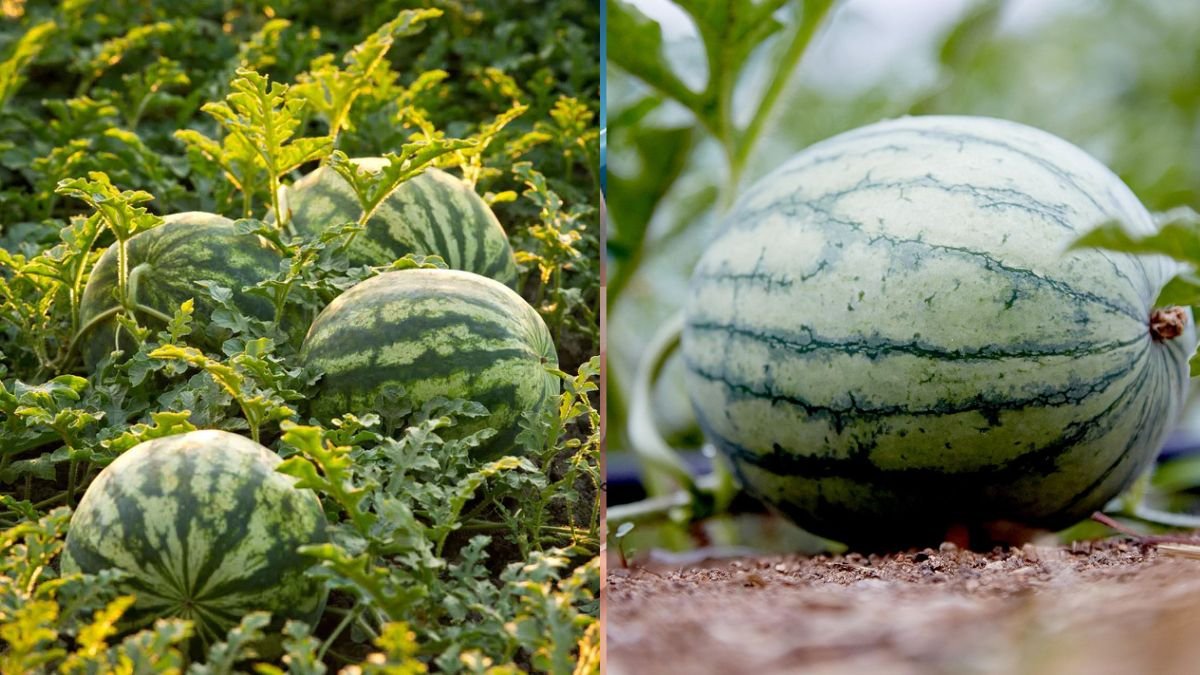
Understanding Melons and Their Growing Needs
Melons, including cantaloupes, honeydew, and other varieties, belong to the cucurbit family along with cucumbers, squash, and pumpkins. They are sprawling vines that require space, sunlight, and warmth to thrive.
Optimal growth occurs when daytime temperatures are consistently warm, ideally between 70–90°F (21–32°C), and soils are well-drained, fertile, and rich in organic matter. While traditional melons take 80–100 days from planting to harvest, smart gardening strategies can help you maximize growth and enjoy quicker, sweeter harvests.
Choosing the right variety is crucial for faster results. Smaller, quick-maturing melons are ideal for summer gardening, as they ripen sooner and are less vulnerable to pests or extreme weather.
Preparing Soil, Sun, and Planting Sites
Full Sun Exposure
Melons need at least 6–8 hours of direct sunlight daily. A sunny location ensures vigorous vine growth, stronger fruits, and sweeter melons.

Warm Soil
Melons thrive in soil that has warmed to at least 65°F (18°C). You can pre-warm soil using black plastic mulch, which helps capture solar heat and accelerates early growth. This technique is particularly helpful in cooler regions where summer arrives gradually.
Planting Methods
- Direct sowing: In regions with consistently warm soil, sow seeds directly into hills or raised beds spaced 4–6 feet apart.
- Indoor seedlings: In cooler climates, start seeds indoors 3–6 weeks before the last frost and transplant seedlings outdoors once the soil is sufficiently warm.
Raised beds or mounded hills improve drainage and reduce the risk of rot, making them ideal for summer melon cultivation.
Watering and Feeding for Faster Growth
Consistent Moisture
Melons require regular watering — about 1–2 inches per week — especially during flowering and early fruit development. Deep watering ensures that roots grow strong and evenly, preventing uneven growth and promoting larger fruits. Avoid overhead watering, which can encourage fungal diseases; instead, water at the base of the plants.
Nutrient Management
At planting, apply a balanced fertilizer to encourage initial vine growth. Once flowers appear, switch to a phosphorus- and potassium-rich fertilizer to support fruit formation. Organic compost and natural fertilizers also help boost growth and improve fruit sweetness.

Mulching
Mulching retains soil moisture, suppresses weeds, and regulates soil temperature. Organic mulches, like straw or shredded leaves, are excellent for melons, protecting fruits from soil contact and reducing rot.
Pollination and Vine Care
Melons rely heavily on insects, particularly bees, for pollination. If pollinator activity is low:
- Plant pollinator-friendly flowers nearby to attract bees.
- Hand-pollinate flowers using a small brush to transfer pollen from male to female blooms.
Proper vine management is also critical. Light pruning can focus the plant’s energy on fewer fruits, leading to bigger, sweeter melons that mature faster. Removing excess vines prevents overcrowding and improves air circulation around fruits, reducing the risk of fungal diseases.
Harvesting Tips
Knowing when your melons are ripe ensures the sweetest, juiciest harvest:

- Scent and feel: Ripe melons often emit a fragrant aroma, and the skin may feel slightly waxy or soft at the blossom end.
- Tendril observation: The tendrils closest to the fruit will dry and turn brown when the melon is ready to pick.
- Easy separation: Ripe melons separate from the vine easily when cut.
While some gardening sources mention “harvest in just a few weeks,” most melons require 80–100 days from planting to reach full maturity. Quick-growing varieties, warm soil, and optimal care can shorten this timeline somewhat, allowing for faster results in a summer garden.
Variety Selection for Faster Results
Selecting quick-maturing melon varieties is key for summer success:
- Cantaloupe varieties: Fast-growing, sweet, and resilient in hot weather.
- Honeydew varieties: Compact vines, excellent for small spaces, and ripen quickly.
- Mini or dwarf melons: Perfect for container or raised-bed gardening; they produce smaller but sweeter fruits in a shorter period.
By choosing the right variety for your climate, you increase the likelihood of enjoying a successful, early harvest.
Maximizing Yield and Fruit Quality
To achieve the best yields:

- Use hills or raised beds to improve drainage and root warmth.
- Apply black plastic mulch to increase soil heat and deter weeds.
- Thin early fruits to allow remaining melons to grow larger and sweeter.
- Elevate fruits off the ground using tiles or supports to reduce rot.
- Adjust watering before harvest to concentrate sugars in the fruits and enhance flavor.
Following these steps ensures faster growth, healthier vines, and more delicious melons.
Common Challenges and How to Overcome Them
- Pests: Aphids, beetles, and cucumber beetles can affect melon growth. Regularly inspect plants and use organic solutions like neem oil if necessary.
- Fungal diseases: Powdery mildew and downy mildew are common in humid climates. Ensure proper spacing and avoid wetting leaves during watering.
- Overcrowding: Excess vines can reduce fruit size and delay maturation. Prune carefully and maintain adequate spacing.
By addressing these issues early, you can protect your harvest and maintain healthy, vigorous vines.
Enjoying Your Summer Melons
After harvesting, melons can be stored at room temperature for a few days to enhance sweetness. Slice and serve fresh, chilled, or in fruit salads, smoothies, or desserts. Melons are versatile, refreshing, and a perfect summer treat straight from your garden.
Growing your own melons provides not only delicious fruits but also a satisfying gardening experience. There’s nothing quite like tasting a melon you’ve nurtured from seed to harvest.

Authoritative Sources for Further Reading
- Royal Horticultural Society – Melon Growing Guide: Comprehensive guide for sowing, planting, and care. (rhs.org.uk)
- The Old Farmer’s Almanac – Cantaloupe Growing Advice: Tips on soil, fertilization, and harvesting. (almanac.com)
- Harvest to Table – Melon Care Tips: Practical advice for watering, spacing, and pollination. (harvesttotable.com)
- AllThatGrows – How to Grow Melons at Home: Beginner-friendly strategies for better results. (allthatgrows.in)
Conclusion
Summer melons are highly rewarding for gardeners who follow the right techniques. From choosing warm, sunny planting sites to proper watering, pollination, and vine management, [FOCUS KEYWORD] helps ensure bountiful, sweet, and juicy harvests. While melons require patience, careful care accelerates growth, improves fruit quality, and enhances overall garden satisfaction.
With attention to soil, nutrients, and vine spacing, even beginners can enjoy their own homegrown melons that are flavorful, nutritious, and perfect for summer enjoyment. By implementing these practical tips, your summer garden can yield melons that are not only delicious but also a source of pride and accomplishment.