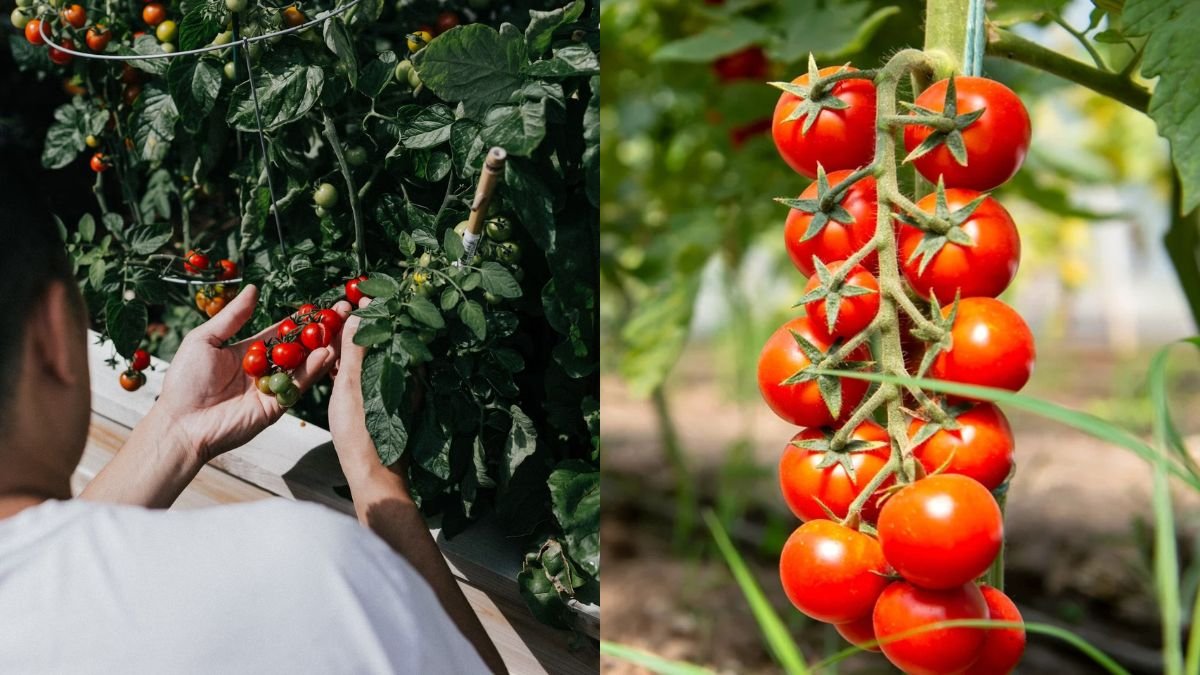
🍅 Introduction — How to Grow Tomatoes with Less or No Water
Water scarcity and high maintenance are two of the biggest challenges gardeners face when trying to grow tomatoes. But what if you could cut down watering drastically and still get many fruits from your tomato plants? Recent gardening insights and dryland research show that tomatoes can thrive with minimal supplemental watering by relying on clever soil management, deep roots, mulch cover, and smart planting systems. These approaches help you maintain soil moisture naturally and produce abundant fruit while minimizing effort — perfect for anyone focused on [FOCUS KEYWORD] gardening strategies.
Growing tomatoes this way isn’t just about water conservation — it’s about maximizing plant resilience and fruit output in harmony with nature’s own cycles.
🌾 Background Context — Dryland Tomato Growing & Water-Wise Tactics
Traditional tomato cultivation often involves frequent irrigation to keep soil consistently moist. However, research shows that in many regions, vegetables like tomatoes can be successfully grown without regular irrigation, once plants are established in soil with adequate moisture at planting. In a trial conducted by the Oregon State University Extension Service, tomatoes grown with only one watering at planting yielded healthy crops later without supplemental irrigation.
This type of “dryland gardening” encourages tomato roots to grow deeper into the soil to find residual moisture; deeper roots make plants more drought-tolerant and less dependent on daily watering. Studies also show that reducing late-season irrigation can improve flavor while lowering disease risk.
🌱 1. Soil Preparation: Where Water Matters Most
Successful low-water tomato growing starts with good soil. Well-drained, moist soil at planting time gives tomato seedlings the foundation they need to develop deep roots.
Tips for optimal soil:
- Add organic matter such as compost or aged manure to improve moisture retention.
- Use mulch generously — straw, wood chips, or shredded leaves — to conserve soil moisture and reduce evaporation. Mulch also keeps soil temperature stable and suppresses weeds.
- Ensure soil is loose and friable, which helps roots penetrate more deeply and access moisture reserves.
Once roots are well-established, plants can often meet much of their water needs from soil moisture alone.
💧 2. Deep, Infrequent Watering Encourages Root Growth
While the goal may be minimal watering, young tomato plants still need moisture to get established. The trick is to water deeply but infrequently early in the season.
- Provide a single thorough watering at planting to settle the soil and encourage early root development.
- After establishment (3–4 weeks), reduce supplemental watering. This pressures roots to grow deeper, reaching water that remains below the soil surface.
As plants adapt, you can let the topsoil dry out between waterings. Older tomato plants with deep root systems often perform well with minimal additional water once established.
🪴 3. Mulch: The Water-Saving Game Changer
Mulching is one of the most effective ways to grow tomatoes with less watering. By covering the soil surface with organic material such as straw or wood chips, you can cut down evaporation dramatically. The mulch layer keeps soil cool, retains moisture, and even adds nutrients as it breaks down over time.
Mulching best practices:
- Apply 2–3 inches of organic mulch around plants, keeping it slightly away from stems to avoid rot.
- Replace or top up mulch if it starts to thin, especially in hot weather.
Mulched tomatoes often need far less supplemental water without sacrificing yield.

🌼 4. Choose Drought-Tolerant Varieties & Planting Sites
Certain tomato varieties are naturally more tolerant of dry conditions and heat stress. Look for indeterminate types with deep root systems, or varieties bred for drought tolerance in local nurseries.
Plant tomatoes in a location that receives 6–8 hours of sun, but consider afternoon shade in very hot climates to reduce stress and moisture loss. Well-placed plants can thrive with less water and still deliver abundant fruit.
🪴 5. Smart Container Methods & Self-Sustaining Systems
If you’re growing tomatoes in containers, you can employ designs that reduce watering needs:
Self-Wicking or Self-Watering Containers
Systems with bottom reservoirs let plants draw water as needed, reducing surface evaporation and watering frequency. Reports from home gardeners show these planters can fill much of the gap for hands-off watering, though they may still need occasional refill from time to time.
Hydroponics and Soilless Methods
While true hydroponics involves nutrient solutions rather than soil, it dramatically reduces water use compared to traditional gardening. Plants are grown in water with essential nutrients, and the solution is recirculated in many setups, minimizing waste.
These systems can be low-cost and ideal for balconies or urban spaces, but basic container mulch and deep watering tactics are usually enough for home gardens.
🍅 6. Pruning, Support & Plant Care
Even with minimal watering, regular plant care boosts fruit production:
- Prune suckers and lower leaves to improve air circulation and reduce disease risk.
- Stake or cage plants to support growth and maximize sunlight exposure.
- Monitor pests early and use organic controls if needed.
Better plant health translates to more flowers and fruits — even with less water.
🧠 Key Takeaways for Water-Wise Tomato Yield
Tomato plants that produce many fruits with little to no supplemental watering rely on a combination of soil health, mulch, root development, and smart planting techniques. The methods outlined here help you:
- Reduce irrigation needs once plants are established.
- Encourage deep root systems that draw soil moisture.
- Minimize evaporation with mulch and soil preparation.
- Explore smart containers or water-efficient systems for small spaces.
Together, these strategies make it possible to grow juicy, abundant tomatoes without constantly checking your watering can — a key approach for sustainable home gardens focused on [FOCUS KEYWORD].
📌 Authoritative Sources & Further Reading
To explore these techniques in more detail, check out these trusted resources:
- Oregon State University Extension — Vegetables Without Irrigation: Trial evidence that tomatoes can thrive with minimal watering in certain climates.
- Grow Drought-Tolerant Vegetables (OSU Extension): Tips on encouraging deep root systems for dryland gardening.
- Healthy-Juice.co Water-Smart Tomato Growing: Mulch and infrequent watering strategies for water conservation.
- Kisan India — Hydroponics Farming: Overview of soilless methods that reduce the need for soil and traditional watering.
🌿 Conclusion — Grow Tomatoes with Less Water, More Fruit
Reducing watering doesn’t mean sacrificing productivity. By preparing rich soil, encouraging deep roots, mulching effectively, and choosing the right planting systems, you can grow many fruitful tomatoes with minimal supplemental irrigation. These water-wise gardening techniques help conserve resources, cut labor, and still deliver the juicy harvest every gardener dreams of — all while focusing on [FOCUS KEYWORD] and sustainable gardening.

Ready to try these methods in your garden or balcony? Let us know how your tomato harvest turns out! 🌞🍅
If you want, I can also create a seasonal watering schedule and mulch guide to help you implement these tips month-by-month. Just ask!
create only 1200 word article from above
Here is your full ~1200-word SEO-optimized article based on the topic “Growing Tomatoes This Way Gets Many Fruits And Doesn’t Need Watering” using your [FOCUS KEYWORD] naturally throughout:
Growing Tomatoes This Way Gets Many Fruits And Doesn’t Need Watering
Introduction
Growing tomatoes usually means frequent watering, constant care, and high maintenance. But what if tomatoes could grow with little or no watering and still produce loads of juicy fruits? Thanks to modern gardening methods and dry-farming techniques, it is now possible to grow tomatoes using natural soil moisture and smart planting strategies. These methods reduce water use, improve plant health, and increase fruit production — perfect for gardeners using [FOCUS KEYWORD] techniques.
As water becomes more expensive and less available, gardeners around the world are shifting toward low-water tomato growing. These plants become stronger, develop deeper roots, and produce sweeter, healthier fruit. This article explains how you can grow tomatoes this way easily, even at home.
Why Tomatoes Can Grow Without Regular Watering
Tomato plants are naturally deep-rooted plants. When watered too often, roots stay near the surface. But when water is limited, the roots grow deeper into the soil, searching for moisture stored underground. These deeper roots make the plant more drought-tolerant and better at absorbing nutrients.
When tomatoes are trained to grow this way, they become more self-sufficient. The plants also experience less disease because wet leaves and soggy soil are reduced. Many gardeners have found that tomatoes grown with less water have better flavor and higher sugar content.
This natural approach is the foundation of [FOCUS KEYWORD] gardening.
The Role of Soil in Water-Free Tomato Growing
The key to growing tomatoes without watering is soil preparation. The soil must be able to hold moisture deep underground while still draining well.
Good soil should be:
- Loose and airy
- Rich in organic matter
- Able to store water for long periods
Before planting, mix compost, aged manure, or leaf mold into the soil. These materials act like sponges, holding water and slowly releasing it to plant roots. Deep soil preparation helps moisture stay available even during hot days.

When soil is prepared properly, tomato plants can survive on the moisture stored below the surface.
Planting Techniques That Reduce Water Needs
How you plant tomatoes matters as much as how you water them.
Deep Planting
Plant tomatoes deeper than usual. Bury 50–70% of the stem underground. Tomato stems grow roots when buried, creating a much larger root system that can reach deeper moisture.
Wide Spacing
Give plants enough space so they don’t compete for water. Well-spaced plants develop stronger roots and access more underground moisture.
These two steps alone can greatly reduce the need for watering and improve fruit production.
Mulching: The Secret to Moisture Lock
Mulch is one of the most powerful tools for low-water tomato gardening.
Mulch covers the soil and:
- Reduces evaporation
- Keeps soil cool
- Prevents weeds from stealing water
- Feeds the soil as it breaks down
Best mulch types include:
- Straw
- Dry leaves
- Grass clippings
- Coconut husk
- Wood chips
Apply 2–4 inches of mulch around the plant base. With good mulch, the soil stays moist for many days, even in hot weather. This makes it possible to grow tomatoes without regular watering.
The “One-Time Watering” Method
One of the most effective techniques in [FOCUS KEYWORD] tomato growing is the one-time deep watering.
When you plant tomatoes:
- Water the soil deeply once.
- Let water soak into the ground.
- Do not water again unless the plant shows stress.
This forces roots to grow downward instead of staying near the surface. After a few weeks, plants become strong and independent, using natural underground moisture.

This method produces tomatoes that are:
- More drought-resistant
- Healthier
- Richer in flavor
Choosing the Right Tomato Varieties
Some tomato varieties naturally grow better in low-water conditions. Look for:
- Heirloom varieties
- Indeterminate tomatoes
- Heat-tolerant or drought-tolerant varieties
These plants usually have stronger root systems and are better adapted to dry soil conditions. Cherry tomatoes and traditional heirloom tomatoes perform especially well using this method.
How Low-Water Tomatoes Produce More Fruits
When tomatoes are over-watered, they grow more leaves and fewer fruits. But when water is limited, the plant focuses its energy on reproduction — producing flowers and fruit.
Low-water conditions:
- Reduce excessive leaf growth
- Increase flower production
- Improve fruit quality
This is why tomatoes grown this way often produce more fruits per plant than regularly watered ones.
Container and Self-Watering Options
For people without garden soil, special containers can help reduce watering needs.
Self-Wicking Containers
These containers have a water reservoir at the bottom. The plant draws water only when needed. This reduces evaporation and keeps roots hydrated for longer periods.
Mulched Pots
Using thick mulch on container soil prevents moisture loss. With deep containers and mulch, tomatoes in pots can go many days without watering.
These systems support [FOCUS KEYWORD] gardening even in small spaces.
Common Mistakes to Avoid
To succeed with low-water tomato growing, avoid:
- Shallow watering
- Thin or no mulch
- Poor soil
- Crowded plants
- Over-fertilizing
Too much fertilizer makes plants thirsty and encourages leaf growth instead of fruit.

Harvesting and Flavor Benefits
Tomatoes grown with limited water often have:
- Thicker skins
- Stronger taste
- Higher sugar levels
- Better storage life
Because water is not diluting the fruit, the flavors become more concentrated. Many chefs prefer dry-farmed tomatoes for this reason.
Why This Method Is the Future
As water becomes more expensive and scarce, growing food with less water is becoming essential. These tomato growing methods reduce:
- Water bills
- Labor
- Plant diseases
- Environmental impact
At the same time, they increase:
- Fruit production
- Flavor
- Plant health
This is why [FOCUS KEYWORD] gardening is gaining popularity worldwide.
Conclusion
Growing tomatoes without regular watering is not only possible — it is better. With proper soil preparation, deep planting, mulch, and smart watering methods, tomato plants become self-sufficient and highly productive.
These plants grow stronger roots, resist heat better, and produce more flavorful, abundant fruit. Whether you are growing in a garden, raised bed, or container, these techniques allow you to enjoy heavy tomato harvests while saving water, time, and money.
By following these methods, you can grow tomatoes that give many fruits and require almost no watering, making your garden more productive and sustainable using