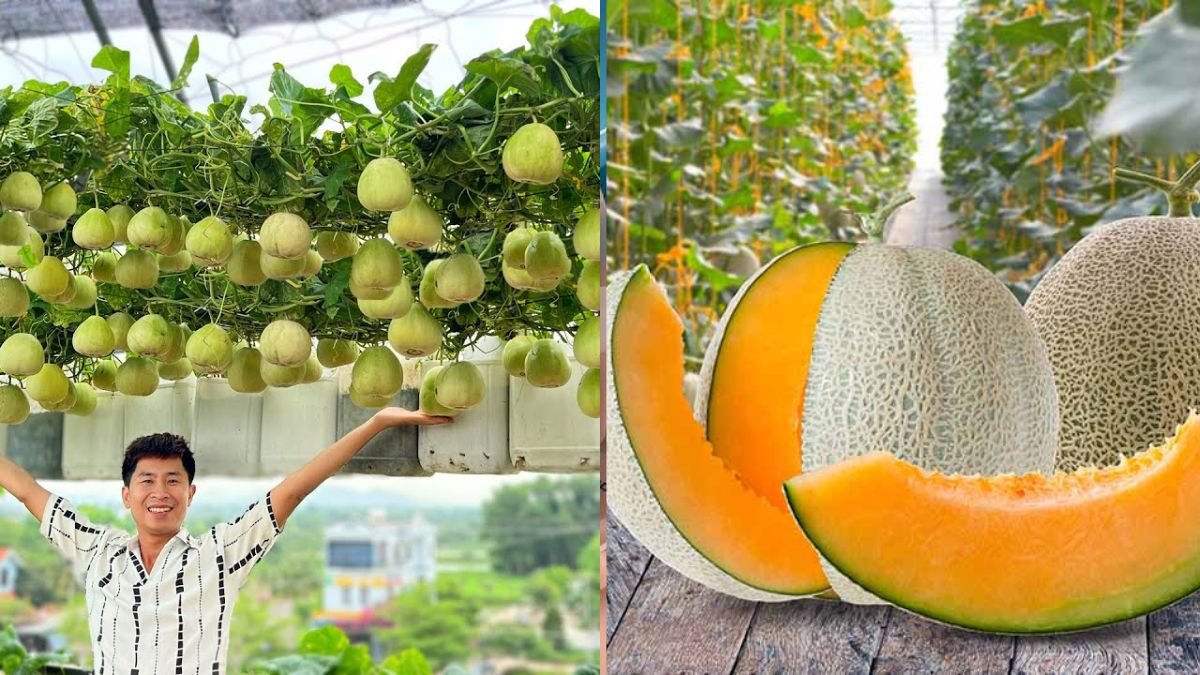
Why Specialty Melons Are Easy and Rewarding to Grow
Specialty melons are specifically bred for high yield, sweetness, and disease resistance. Unlike some traditional melon varieties, which require careful management and longer growing periods, these melons adapt easily to home gardens, raised beds, and even container planting.
Key benefits include:
- High sugar content and crispy texture – Sweet, crunchy fruits that are ideal for eating fresh.
- Reliable fruit set – Predictable fruiting ensures that most flowers turn into mature melons.
- Adaptability – These melons grow well in various climates and soil types, reducing the risk of failure.
- Ease of care – Resistant to common diseases and pests, which reduces maintenance requirements.
These traits make specialty melons an excellent choice for anyone looking to enjoy abundant and high-quality fruit with minimal effort.
Top Specialty Melon Varieties
Several melon varieties stand out for their ease of growth, sweetness, and crisp texture. Choosing the right variety is essential for achieving high yields and excellent fruit quality.
1. Gaya Melon
Originating from Japan and Korea, the Gaya melon has juicy white flesh that is soft in the center yet slightly crisp toward the rind. Its mild, refreshing sweetness makes it a favorite in home gardens and markets.
2. Sprite Melon
Sprite melons are firm, ivory-colored fruits with a slight yellow hue when ripe. They are exceptionally sweet, sometimes exceeding 18% sugar content, making them sweeter than many traditional varieties. They are also easy to grow and highly productive.
3. Kajari Melon
Known as the Delhi melon, Kajari is hardy and sweet. It is suited for various climates, has a short growing season, and produces consistent yields, making it ideal for small-scale growers.
4. Traditional Honeydew and Cantaloupe
Classic varieties like honeydew and cantaloupe remain reliable choices. With proper care, they produce crispy, sweet fruits and are excellent for gardeners seeking familiar flavors and dependable yields.
By selecting these specialty varieties, gardeners can maximize both fruit quality and quantity while minimizing effort.
Soil Preparation and Planting
Healthy soil is the foundation for high-yield melon cultivation. Specialty melons thrive in well-drained, sandy-loam soils enriched with compost or organic manure. Proper soil pH, around 6.2–6.8, ensures optimal nutrient uptake for healthy growth and sweet fruits.
Raised beds or mounded hills are ideal for melon planting. They warm up faster in spring, provide good drainage, and promote strong root development. This simple preparation supports vigorous vine growth and higher yields.
Plant seeds or transplants after the last frost date when the soil has warmed to at least 20–25°C. Melons are heat-loving plants, so warm soil ensures faster germination and healthy seedlings.
Sunlight, Spacing, and Vine Management
Melons require full sun, ideally 6–8 hours daily. Sunlight drives photosynthesis, resulting in sweeter and larger fruits. Insufficient sunlight can produce smaller, less flavorful melons.
Spacing is equally important. Vines require room to spread; crowded plants compete for nutrients and water, reducing yield. Standard recommendations include 90–120 cm between hills and about 2–3 meters between rows.
For gardeners with limited space, trellising can be an effective solution. Training vines vertically improves airflow, reduces disease, and makes harvesting easier. Vertical growth can also enhance fruit quality and yield.
Watering and Nutrition
Consistent watering is essential, especially during flowering and fruit-setting stages. Drip irrigation or soaker hoses provide even moisture without waterlogging the roots, which can lead to rot. Overwatering near harvest should be avoided, as reducing water slightly concentrates sugars in the fruits, enhancing sweetness.
Fertilization is another key factor for high-yield specialty melons. A balanced supply of nutrients, particularly nitrogen for vines and potassium for fruits, encourages healthy growth and abundant fruiting. Organic fertilizers, compost, and compost teas are excellent choices to improve soil fertility and overall plant vigor.
Pollination and Flower Management
Pollination is crucial for fruit set. Specialty melons rely on insects, particularly bees, to transfer pollen between male and female flowers. In small home gardens, hand pollination can improve fruit set and ensure larger yields.
Monitor flower development carefully. Removing extra flowers or thinning fruits in overcrowded areas can help the plant focus energy on producing larger, sweeter melons. Regular inspection ensures each fruit has the best chance to reach maturity.
Harvesting for Maximum Sweetness and Quantity
Harvesting at the right time ensures maximum sweetness, crispness, and continued productivity. Indicators of readiness include:
- A slight color change in the rind, depending on the variety
- Slight softening near the stem
- Drying of tendrils or flowers attached to the fruit
Harvest frequently. Prompt picking encourages the plant to produce more flowers and fruits, extending the harvest season. Avoid leaving melons on the vine too long, as overripe fruits can reduce plant energy and future yields.
Common Mistakes to Avoid
Even with easy-growing specialty melons, some mistakes can limit yield or fruit quality:
- Overwatering or inconsistent watering
- Crowding plants or insufficient spacing
- Poor soil preparation or low fertility
- Neglecting pollination or pruning
- Ignoring pests and disease prevention
By addressing these factors early, gardeners can maximize their harvests and enjoy consistently sweet, crispy melons.
Summary of Best Practices
| Practice | Benefit |
|---|---|
| Select high-yield specialty varieties | Sweet, crispy, abundant fruits |
| Prepare well-drained, nutrient-rich soil | Strong root and vine growth |
| Provide full sun | Increases sweetness and size |
| Space plants properly | Reduces disease and competition |
| Use drip irrigation | Consistent moisture and higher sugar content |
| Fertilize regularly | Supports flowering, fruiting, and overall vigor |
| Harvest promptly | Encourages continuous production |
Authoritative Sources
For more guidance and expert insights on specialty melon cultivation:
- Tridge – New Melon Varieties: Information on disease-resistant and high-yielding cultivars. (tridge.com)
- Sustainable Market Farming – Melon Varieties: Overview of melon types, fruit traits, and planting tips. (sustainablemarketfarming.com)
- Black Gold Organic Gardening – Melon Growing: Practical tips for soil, sunlight, and plant care. (blackgold.bz)
- Garden Know How – Growing Melons: Step-by-step advice for planting, fertilizing, and harvesting. (gardeningknowhow.com)
- Yates Australia – How to Grow Melons: Guidance for home gardeners on care, trellising, and maximizing sweetness. (yates.com.au)
Final Thoughts
Growing specialty melons that are crispy, super sweet, and high-yielding has never been easier. With [FOCUS KEYWORD] techniques, even first-time gardeners can enjoy lots of delicious fruit throughout the season.

By choosing the right variety, preparing the soil properly, providing ample sunlight, managing water and nutrients, and harvesting at the right time, you can achieve a garden full of abundant, high-quality melons.
Start with these methods today, and enjoy the sweet, crunchy rewards of your own specialty melon harvest.