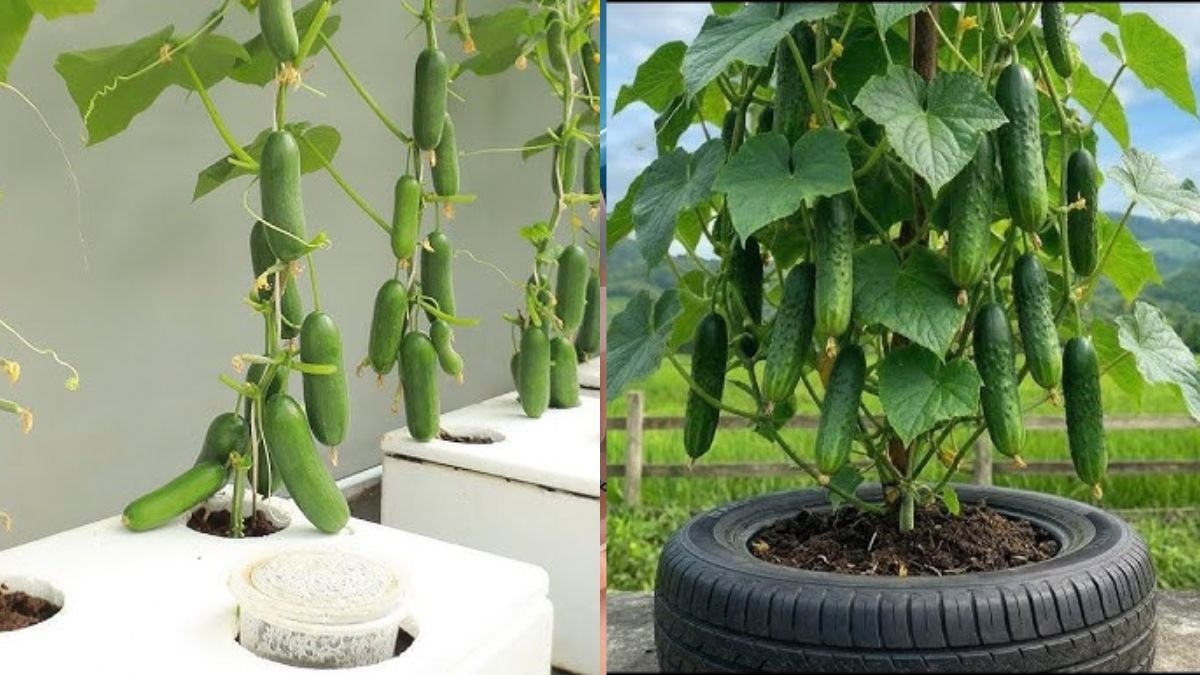
Introduction: The Secret to Pesticide-Free Cucumbers
Growing cucumbers at home can be both satisfying and delicious, but many gardeners struggle to maintain a continuous harvest without resorting to chemical pesticides. For years, I believed that pesticides were necessary to prevent pests and diseases, but I was shocked to discover methods that produce healthy, abundant cucumbers naturally.
This guide will explain how to grow cucumbers organically, maximize yield, and avoid the common mistakes that reduce fruiting. By following these steps, you can achieve the dream of [FOCUS KEYWORD], enjoying fresh cucumbers throughout the season.
Why Pesticide-Free Cucumber Growing Matters
Cucumbers are nutrient-rich, versatile vegetables that are enjoyed raw, pickled, or cooked. Yet many commercially grown cucumbers carry pesticide residues, which can concern health-conscious gardeners.
Growing your cucumbers at home allows you to:
- Control what goes into the soil and onto the plants.
- Avoid harmful chemicals.
- Improve environmental sustainability.
- Encourage beneficial insects that naturally keep pests in check.
Modern gardening practices make pesticide-free cucumber cultivation feasible and productive, even for beginners. Integrated Pest Management (IPM), organic soil amendments, and careful plant care are key to achieving continuous fruit production.

1. Choosing the Right Location and Support
Cucumbers are sun-loving plants that need 6–8 hours of direct sunlight daily. Selecting the right location is crucial for healthy growth and maximum yield.
Vertical Support
Cucumbers naturally sprawl, but using trellises or cages offers several benefits:
- Keeps fruits off the soil, preventing rot and disease.
- Improves air circulation, reducing fungal problems.
- Makes harvesting easier and encourages more flowering and fruiting.
Vertical growth also allows limited space to be maximized, ideal for garden beds or container setups. Proper support can dramatically increase your continuous cucumber harvest.
2. Preparing Rich, Healthy Soil
Healthy soil is the foundation for thriving cucumber plants. Cucumbers prefer:
- Well-draining soil
- Nutrient-rich soil
- Slightly acidic to neutral pH (6.0–7.0)
Soil Preparation Tips
- Mix garden soil with compost or well-rotted manure.
- Add cocopeat or perlite for aeration and moisture retention.
- Mulch around the base with straw or dried leaves to retain moisture and reduce weeds.
This approach strengthens roots, improves nutrient uptake, and reduces plant stress — all contributing to continuous fruiting without pesticides.

3. Smart Watering for Healthy Plants
Cucumbers need consistent moisture, but overwatering or under-watering can harm growth.
Watering Guidelines:
- Water deeply at the base of the plant to encourage strong roots.
- Avoid wetting leaves to reduce fungal infections.
- Water early in the day so soil dries before nightfall.
Mulching helps retain moisture and stabilizes soil temperature, which is particularly important for maintaining a steady, abundant harvest.
4. Organic Pest Management
Even without pesticides, cucumber plants can thrive if pests are managed organically.
Beneficial Insects
- Ladybugs, lacewings, and predatory mites consume common cucumber pests like aphids and spider mites.
- Parasitic wasps target eggs and larvae of harmful insects.
Manual Monitoring
- Check leaves and stems weekly for early signs of pests.
- Remove insects by hand or spray affected areas with organic solutions such as neem oil or insecticidal soap.
Companion Planting
- Plant marigolds, basil, or nasturtiums nearby to repel pests naturally and attract pollinators.
By maintaining a balanced ecosystem, pests are controlled without synthetic chemicals, keeping plants healthy and productive.

5. Pollination Techniques for Continuous Yield
Cucumbers have male and female flowers, and pollination is required for fruit set. Without it, flowers may bloom but no fruit will form.
Pollination Tips:
- Encourage bees by planting pollinator-friendly flowers nearby.
- Avoid spraying during flowering to protect beneficial insects.
- In low-bee gardens, hand-pollinate using a soft brush or cotton swab.
Ensuring proper pollination guarantees that plants produce a continuous stream of cucumbers throughout the season.
6. Extending the Growing Season
To achieve a year-round or extended harvest:
Cold Frames
- Trap heat and protect plants from frost, extending the growing season into cooler months.
Greenhouses
- Provide controlled temperature and humidity.
- Protect plants from harsh weather while maintaining steady production.
By extending the growing season, you can enjoy more cucumbers and longer harvests without relying on chemicals.

7. Proper Harvesting Techniques
Harvesting cucumbers correctly encourages plants to keep producing.
- Pick cucumbers when they are 6–8 inches long for slicing varieties.
- Do not allow fruits to over-ripen, as this diverts energy from new growth.
- Use clean scissors or pruning shears to avoid damaging vines.
Regular harvesting signals the plant to produce more flowers and fruits, maintaining continuous yields.
8. Fertilization Without Overdoing It
Over-fertilizing can cause leafy growth at the expense of flowers and fruits.
Fertilization Tips:
- Incorporate compost at planting.
- Apply balanced organic fertilizer when flowering begins.
- Avoid excessive nitrogen, which encourages foliage over fruit.
Balanced nutrition supports flower production and enhances the size and quality of cucumbers.

9. Benefits of Pesticide-Free, Continuous Harvesting
- Healthier Produce: Chemical-free cucumbers are safe for consumption.
- Environmental Sustainability: Encourages biodiversity and protects soil and water quality.
- Consistent Yield: Continuous harvest ensures fresh cucumbers all season.
- Cost-Effective: Reduces need for chemical inputs and protects plants naturally.
Adopting these methods allows gardeners to enjoy abundant, high-quality cucumbers without the stress of pesticides.
Authoritative Sources for Guidance
- Greenhouse Goodness – Chemical-Free Cucumber Methods: Organic greenhouse techniques for healthy cucumber growth. (greenhousegoodness.com)
- GrowOrganic – Extending the Cucumber Growing Season: Protect cucumbers and maintain harvest longer. (groworganic.com)
- Bademiya – Abundant Cucumber Fruit: Step-by-step guide to maximizing yield at home. (bademiya.org)
- Bhagirath Market – Home Cucumber Growing: Tips on soil, trellising, and harvesting. (bhagirathmarket.com)
These resources provide actionable strategies to achieve [FOCUS KEYWORD] in any garden.
Conclusion
If you’ve ever struggled with pests or inconsistent cucumber harvests, the good news is that there’s a pesticide-free solution. By combining healthy soil, vertical support, organic pest management, pollination techniques, consistent watering, and proper harvesting, you can enjoy continuous cucumber production without relying on chemicals.
Following these steps allows gardeners to produce healthier, more flavorful cucumbers while protecting the environment. This method was a revelation for me — truly shocking how productive cucumber plants can be without pesticides — and it can work for any home gardener practicing